ARTICLES
WHAT WAS THE COVID-19 PANDEMIC’S IMPACT ON HUMAN RESOURCE MANAGEMENT AND WORK? AN INTEGRATIVE LITERATURE REVIEW
QUAL O IMPACTO DA PANDEMIA DE COVID-19 NA GESTÃO DE PESSOAS E NO TRABALHO? UMA REVISÃO INTEGRATIVA DA LITERATURA
¿CUÁL FUE EL IMPACTO DE LA PANDEMIA DE COVID-19 EN LA GESTIÓN DE RECURSOS HUMANOS Y EL TRABAJO? UNA REVISIÓN INTEGRATIVA DE LA LITERATURA
 Diego Costa Mendes diegocostape@gmail.com
WHAT WAS THE COVID-19 PANDEMIC’S IMPACT ON HUMAN RESOURCE MANAGEMENT AND WORK? AN INTEGRATIVE LITERATURE REVIEW
Revista de Administração de Empresas, vol. 63, no. 6, pp. 1-23, 2023
Fundação Getulio Vargas, Escola de Administração de Empresas de S.Paulo
Received: 12 August 2022
Accepted: 08 July 2023
ABSTRACT: Considering the pandemic's wide-ranging impacts, this study examined how the literature addressed its effects on work, human resource management (HRM), and organizations. Sixty-four articles published between January 2020 and March 2022 were systematically selected for this bibliographic review. A thematic content analysis was conducted, categorizing the most frequently discussed topics into three argumentative categories: work and workers, HRM, and organizations. These categories revealed convergences, divergences, and gaps in the literature, leading to the conclusion that values such as autonomy, flexibility, and communication were essential across all three categories. Telework emerged as the predominant work modality, requiring profound adaptations to HRM processes. Notably, geographic, socioeconomic, and demographic factors influenced teleworkers' assessments and productivity, warranting further investigation. The pandemic underscored a paradigm shift in recruitment and professional categorization, highlighting the importance of adaptable proficiencies in remote work, encompassing both technical and interpersonal skills, during and after the crisis. Lastly, organizations responded by strengthening flexible and empathetic organizational cultures capable of withstanding the biopsychosocial pressures experienced by workers during the pandemic.
KEYWORDS: Pandemic, covid-19, human resource management, people management, work.
RESUMO: Considerando os impactos abrangentes da pandemia de Covid-19, este estudo teve como objetivo examinar a forma como a literatura abordou os efeitos da pandemia no trabalho, na gestão de pessoas (GP) e nas organizações. Para esta revisão bibliográfica, foram selecionados sistematicamente 64 artigos publicados entre janeiro de 2020 e março de 2022. Foi realizada uma análise de conteúdo temática, categorizando os tópicos mais frequentemente discutidos em três categorias argumentativas: trabalho e trabalhadores, GP e organizações. Essas categorias revelaram convergências, divergências e lacunas na literatura, chegando-se à conclusão de que valores como autonomia, flexibilidade e comunicação eram essenciais nas três categorias. O teletrabalho emergiu como a modalidade de trabalho predominante, exigindo adaptações profundas nos processos de GP. Ademais, fatores geográficos, socioeconômicos e demográficos influenciaram significativamente as avaliações e a produtividade dos teletrabalhadores, o que justifica uma investigação mais aprofundada. A pandemia evidenciou uma mudança de paradigma na contratação e na categorização profissional, ressaltando a importância de competências adaptáveis no contexto do trabalho remoto, abrangendo tanto habilidades técnicas quanto interpessoais, durante e após a crise. Por fim, as organizações responderam fortalecendo culturas organizacionais flexíveis e empáticas, capazes de lidar com as pressões biopsicossociais enfrentadas pelos trabalhadores durante a pandemia.
Keywords: Pandemia, covid-19, recursos humanos, gestão de pessoas, trabalho.
RESUMEN: Teniendo en cuenta las amplias repercusiones de la pandemia, este estudio se propuso examinar cómo la bibliografía abordó sus efectos en el trabajo, la gestión de recursos humanos (GRH) y las organizaciones. Para llevar a cabo esta revisión bibliográfica, se seleccionaron sistemáticamente sesenta y cuatro artículos publicados entre enero de 2020 y marzo de 2022. Se realizó un análisis de contenido temático, categorizando los temas más frecuentemente discutidos en tres categorías argumentativas: trabajo y trabajadores, GRH y organizaciones. Estas categorías revelaron convergencias, divergencias y lagunas en la literatura, lo que llevó a la conclusión de que valores como la autonomía, la flexibilidad y la comunicación eran esenciales en las tres categorías. El teletrabajo surgió como la modalidad de trabajo predominante, lo cual exigió adaptaciones profundas en los procesos de GRH. En particular, los factores geográficos, culturales, socioeconómicos y demográficos influyeron en las evaluaciones y la productividad de los teletrabajadores, lo cual justifica una mayor investigación. La pandemia puso de relieve un cambio de paradigma en la contratación y la categorización profesional, destacando la importancia de las competencias adaptables en el trabajo a distancia, que abarcan tanto habilidades técnicas como interpersonales, durante y después de la crisis. Por último, las organizaciones respondieron reforzando culturas organizativas flexibles y empáticas, capaces de soportar las presiones biopsicosociales experimentadas por los trabajadores durante la pandemia.
PALABRAS CLAVE: Pandemia, covid-19, gestión de recursos humanos, gestión de personal, trabajo.
INTRODUCTION
The SARS CoV 2 outbreak emerged in December 2019 in Wuhan, China. As cases spread, the World Health Organization (WHO) declared it a pandemic in the subsequent year, alerting the world to its associated risks (World Health Organization, 2021). This global event marked the first time in the 21st century where the global economy, healthcare systems, and the lives of billions of individuals were profoundly impacted. Governments worldwide implemented measures such as the closure of in-person services in public offices and businesses, social distancing protocols, and the use of personal protective equipment.
The implementation of social distancing measures had extensive ramifications on society, organizations, work, and personal life, leading to a profound economic and social crisis. Almost all organizations underwent a reassessment of their ability to balance in-person and remote activities, necessitating a reevaluation of their management policies and practices (Felipe et al., 2021). Simultaneously, individuals faced the challenge of reorganizing their professional, social, and family dynamics to adhere to social distancing protocols and adapt their work practices accordingly (Chen, 2021; J. Pereira et al., 2021).
Professionals and scholars turned to the field of human resource management (HRM) in their quest to identify effective strategies and practices for overcoming the challenges brought about by the pandemic's adversities on both the professional and personal aspects of workers' lives (Caligiuri et al., 2020). In this unique and unprecedented context, HRM assumed a significant role due to its repertoire of tools that can effectively balance the demands of organizations with individuals' personal, psychological, and health-related needs (Butterick & Charlwood, 2021). Furthermore, telework emerged as a prominent solution within this context, serving as a primary alternative to in-person work activities, albeit abruptly implemented without adequate planning (Felipe et al., 2021; L. Pereira et al., 2021).
Within this dynamic landscape of rapid transformations and increasing demands, discussions emerged encompassing flexible work arrangements (Latorre et al., 2021); adaptations of recruitment, training, compensation, and monitoring practices (Lee, 2021; Leite & Lemos, 2021; Makar et al., 2021); novel perspectives on leadership (Gonçalves et al., 2021; Yuste, 2021; Zhong et al., 2021); and sustainable HRM practices (Liang et al., 2022).
Considering this backdrop, the primary objective of this comprehensive review was to gain insights into how the existing literature has examined the effects of the pandemic on work and HRM. The contemporaneity of these discussions validates the relevance of this study, given the recency of the global health crisis and its profound repercussions on society, thereby necessitating rigorous investigation and analytical endeavors. Additionally, this research aims to extract valuable lessons for the post-pandemic era. Due to the pandemics’ global impacts, it is necessary to aggregate the collective academic knowledge from multiple bibliographic sources to examine similarities and differences and identify potential literature gaps.
We aim to contribute to the existing body of literature by conducting a comprehensive scoping review that analyzes academic articles focusing on work, HRM, and organizations within the unique context of the pandemic. Unlike previous studies (Arunprasad et al., 2022; Gohoungodji et al., 2023; Liang et al., 2022), our review encompasses perspectives from both the Global North and South. By studying the pandemic and its consequences on working procedures, we can (re)think about HRM and the challenges that may arise in future practices.
Specifically, this study sought to understand three questions guiding the investigative efforts throughout the integrative process:
-
How did organizational literature address the pandemic’s impacts on work and workers?
-
How did organizational literature address the pandemic’s impacts on HRM?
-
How did organizational literature address the pandemic’s impacts on organizations?
To discuss the theme, in addition to this introduction, the study is divided into the following sections: a brief discussion about HRM and the pandemic; a description of the methodological strategy; a discussion of the selected articles and results; and the final considerations.
HUMAN RESOURCES IN THE PANDEMIC
The responses to the pandemic directly affected economic activity, forcing public and private organizations to adopt new practices and innovate others. In this context, HRM was considered a source of solutions (Felipe et al., 2021; Lee, 2021; Makar et al., 2021; Rocha et al., 2021). Likewise, HRM played a pivotal role in the complex transition from in-person to predominantly remote activities because of its capability to manage people in the work environment (Gonçalves et al., 2021; Makar et al., 2021).
The conceptualization of HRM and its interaction with organizations, individuals, and work is crucial. This article aims to understand management from the perspective of human development, where cooperation between people and organizations generates value. In this arrangement, a psychological contract is formed, with mutual expectations and obligations between employees and organizations. These commitments include interpersonal dynamics, organizational climate, biopsychosocial integrity (mind, health, safety, ergonomics), and valuing individuality (Dutra et al., 2017). Managing people entails creating practices, processes, and environments that satisfy stakeholders' needs and desires.
Dutra et al. (2017) categorized the primary HRM processes into three categories: movement, development, and valuation. The movement process involves facilitating individual transitions within the organization and includes practices such as attraction, internalization, transfers, promotions, and expatriation. The development aims to create conditions for individual growth within the organization, encompassing practices such as training, career development, expectation management, and leadership development. Valuation comprises practices related to compensation and rewards. These processes highlight HRM's systemic approach to effectively utilize human capital within organizations.
Amid the pandemic, certain aspects of these processes have garnered increased attention. This includes a focus on enhancing professional skills and competencies, adapting performance metrics, improving communication and collaboration dynamics, and ensuring ergonomic work setups and proper equipment utilization (Chen, 2021; Kutieshat & Farmanesh, 2022). The shift toward remote work has necessitated reevaluating HRM processes and practices to establish a streamlined workflow (Caligiuri et al., 2020; Felipe et al., 2021), ultimately shaping the emerging telework landscape.
Organizational responses to the pandemic must be analyzed considering the socio-demographic, economic, legal, and cultural contexts in which they are inserted (Caligiuri et al., 2020). This involves discussions about safety, hygiene, physical space, profitability, efficiency, remote work, layoffs, employee turnover, organizational culture, and corporate values (Aguinis et al., 2020; Boiral et al., 2021; Dessouky & Al-Ghareeb, 2020; Zhong et al., 2021). Moreover, individual outcomes in the wake of the pandemic necessitate a multifaceted analysis encompassing various contextual dimensions. While the impacts were experienced universally, specific reactions are contingent upon factors such as cultural contexts, labor legislation, social class, family circumstances, and gender. (Caligiuri et al., 2020; Ferreira & Reis, 2021; Oo et al., 2021; Raišienė et al., 2021; Zhong et al., 2021).
METHODOLOGICAL PROCEDURES
This study aimed to understand how the literature has addressed the pandemic’s impacts on work and HRM. We employed a meticulous and systematic approach, applying the methodologies of integrative review and thematic content analysis to identify, assess, and synthesize the relevant body of research.
An integrative review was implemented to find convergences, divergences, and gaps among the collected articles. This review method examines and discusses research to generate new knowledge on a subject, contributing to our understanding of a specific phenomenon (Botelho et al., 2011). The research followed the steps described by Botelho et al. (2011): definition of the research questions from the investigated theme; establishment of the inclusion and exclusion criteria; identification of the pre-selected and selected studies; categorization of the studies and subsequent coding; analysis and discussion of the dialogues between the articles; and, finally, the presentation of the results, all described in Figure 1.
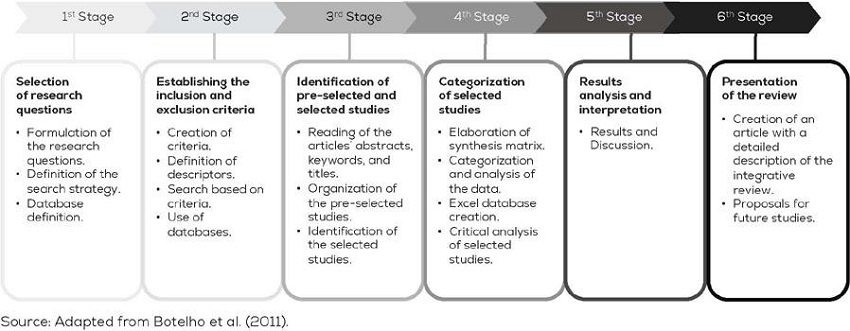
The first stage involved defining the research questions using an analytical and integrative approach while inspecting the collected texts, described previously in the Introduction. In the second step, the inclusion and exclusion criteria that directed the selection were established, as described in Figure 2.

Source: Elaborated by the authors.
In the third stage, four databases were selected to ensure a diverse dataset: Scientific Periodicals Electronic Library (Spell), Periódico Coordenação de Aperfeiçoamento de Pessoal de Nível Superior (CAPES), Scientific Electronic Library Online (SciELO), and Scopus. Spell was chosen for its prominence in Brazilian Administration studies, while Periódico CAPES provides access to a wide range of academic research for Brazilian researchers. SciELO was included for its collection of Latin American studies, and Scopus, a renowned global database, was also utilized.
The chosen timeframe for this study spans from January 2020 to March 2022, covering the pandemic’s beginning and the subsequent flexibilization period, returning to pre-pandemic routines.
The search terms (or descriptors) used were established based on the inclusion and exclusion criteria described above to capture relevant and timely discussions for management, HRM, and work and workers, as described in Figure 3.

Figure 3
Research Terms in Portuguese and English
Source: Elaborated by the authors.
The Boolean operators in English ("AND" and "OR") and in Portuguese (“E” and “OU”) were applied to filter the results. It was necessary to replace the term "gestão" - applied in the Portuguese search – for "human resource management" in the English search. Despite the semantic distinctions between "gestão" and "human resource management," the utilization of different search methodologies across databases led to limited outcomes when incorporating more restrictive terms or synonyms in the research query. Certain platforms exhibited reduced efficiency in handling extensive search strings, which subsequently reduced the yielded results. Furthermore, disparities were observed in how these platforms combine strings and content to generate outcomes, severely limiting the collected data. To broaden our search outcomes while maintaining consistency in the search approach, we opted to simplify our search terms. Consequently, "gestão" was selected as the most suitable term to strike a better equilibrium between excessive results, limited scope, and pertinent data for our research. Thus, “gestão de pessoas” was not used because it severely restricted the results, eliminating relevant articles for our scope.
Advanced search filters were applied on the platforms to refine the inquiry. These filters involved searching for terms in the abstract (excluding Periódico CAPES), focusing on texts in article format, considering publications between January 2020 and March 2022, and including publications in Portuguese or English. The Spell database yielded 32 articles, while in the Periódico CAPES, the search was filtered by article titles due to the absence of an abstract filter, resulting in a total of 110 articles. The SciELO platform produced 168 results, and Scopus provided 54 articles.
The initial pre-selection yielded a total of 391 articles. Subsequently, the titles, abstracts, and keywords of these studies were carefully reviewed to identify those that aligned with the criterion of "discussions about work and/or HRM.” Based on the established criteria, several articles were excluded: 25 due to unavailability for full reading, 264 for not aligning with the thematic focus of the study's objective, 10 for being duplicate articles, and 20 for being written in languages other than Portuguese or English. Among the excluded articles, the majority (264) belonged to fields such as medicine, health, and biology, which were deemed irrelevant to our research focus.
Following the initial pre-selection, a thorough reading of 72 texts was conducted, resulting in the identification of eight additional articles that did not align with the research scope and were consequently excluded based on criterion (b). In the third stage of the review, a total of 64 studies were identified as the review corpus, as illustrated in Figure 4.
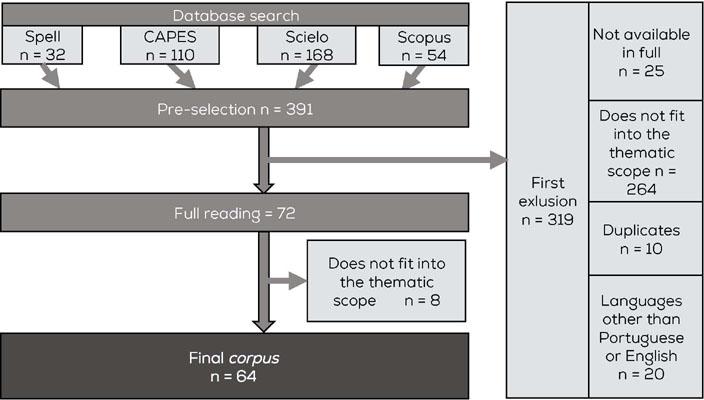
Figure 4
Process of Pre-selection and Selection in the Integrative Review
Source: Elaborated by the authors.
During the fourth stage of the review, the selected scientific articles were carefully reexamined and categorized using the thematic content analysis framework outlined by Bardin (2011). The author defines categorization as a "classification operation of elements by differentiation and then by regrouping according to genre (analogy), with previously defined criteria" (Bardin, 2011, p. 147). Therefore, throughout the reading process, the research aimed to identify the prevailing argumentative elements and examine the distinctions and resemblances among these arguments.
Through this process, the articles were subjected to an analogical and progressive classification of their elements, employing "procedure by collection" as described by Bardin (2011). As a result, the titles of each category, referred to in this study as thematic categories, were established. This primary categorization unveiled three principal categories pertaining to the effects of the pandemic: work and workers, HRM, and organizations. This grouping adhered to the categorical principles of mutual exclusion, homogeneity, pertinence, objectivity, and productivity (Bardin, 2011).
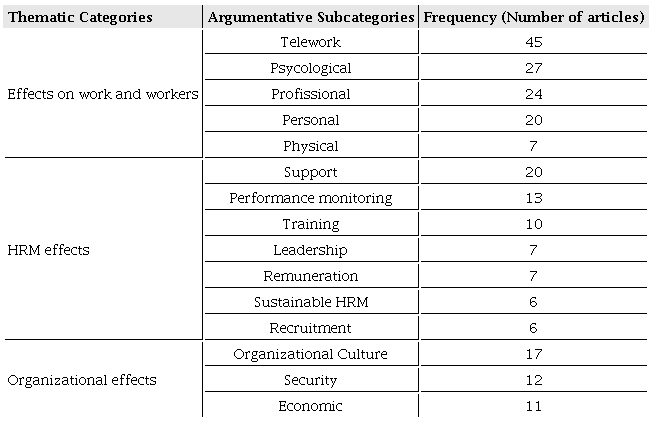
Additionally, an in-depth examination of the categories yielded significant subdivisions, referred to as argumentative subcategories in this article. These subcategories identify specific recurring themes within the main groups. Within the work and workers category, the studies primarily focused on teleworking and explored the professional, personal, psychological, and physical consequences experienced by workers in the context of COVID-19. In the HRM category, discussions revolved around emerging remuneration practices, recruitment strategies, training initiatives, performance monitoring, support mechanisms, sustainable management practices, and new approaches to leadership, all directly or indirectly influenced by the pandemic. The organizational category encompassed the effects of the pandemic on security measures, the economic realm, and organizational culture. Table 1 provides a detailed overview of these thematic categories and subcategories and the frequency of articles in which these themes were identified.
Source: Elaborated by the authors based on the research data.
The following sections present and discuss each thematic category and their respective subcategories.
RESULTS AND DISCUSSION
The selection of 64 articles reveals a diverse corpus, encompassing publications from various continents and incorporating perspectives from both the Global North and South. Furthermore, Figure 5 illustrates a concentration of publications in the latter part of 2021 and the beginning of 2022.
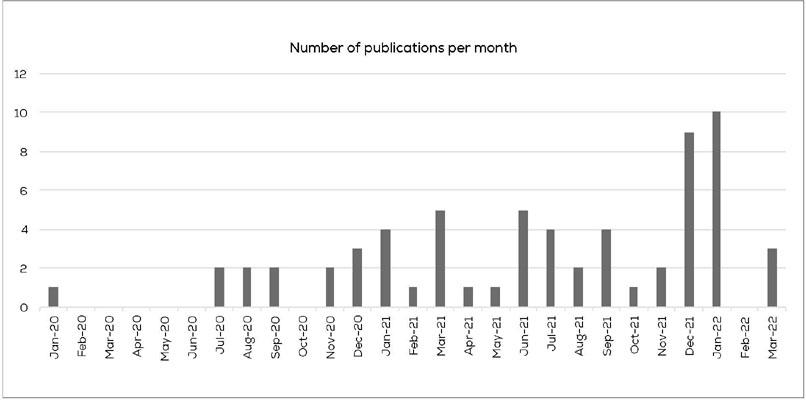
Figure 5
Publication Timeline
Source: Elaborated by the authors based on the research data.
Additionally, the journals in which the published articles appeared encompassed a wide range of knowledge domains, with 21 articles in the field of Management, 9 in HRM, 7 in Economy, 6 in Psychology and Health, 6 in Sustainability, and 11 in other areas. This information can be found in Figure 6.
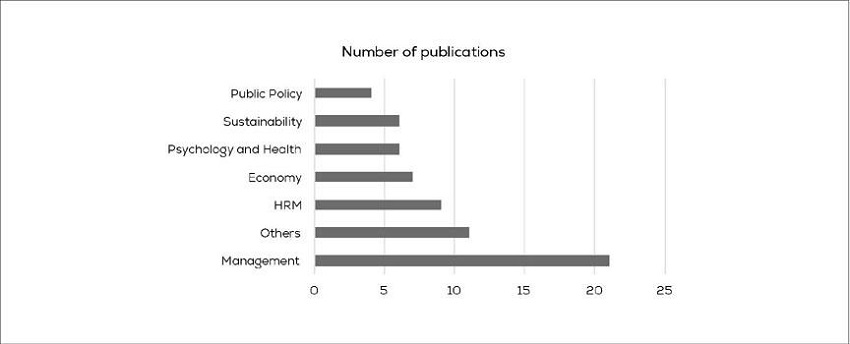
Figure 6
Number of Publications per Journal Research Area
Source: Elaborated by the authors based on the research data.
The following sections discuss the pandemic’s effects on work and workers, HRM, and organizations.
The pandemic’s effects on work and workers
The pandemic and its consequences deeply affected the labor market and, consequently, workers. Social distancing, labor instability, and telework, among others, triggered a reassessment of the factors influencing workers’ quality of life and ability to meet organizational goals in an uncertain context. Moreover, ineffective work management can damage organizations and lead to economic, social, and psychological consequences for workers (Makar et al., 2021). In this regard, this section examines five frequently observed subcategories in the authors' discourse regarding the consequences of COVID-19 on work and workers. These subcategories encompass the psychological, professional, personal, and physical ramifications of the pandemic, with particular emphasis on the teleworking debate.
The subcategory that received the most attention in the literature was telework, which was discussed in 45 articles. Telework posed significant challenges during the pandemic, whether due to its sudden implementation or inadequate planning (Barbieri et al., 2021; Butterick & Charlwood, 2021). Working from home introduces new demands and requires additional resources to adapt to the pandemic situation (Barbieri et al., 2021). It also brings about changes in labor relations, encompassing different concepts of time, space, normative regulations, autonomy, freedom, subjectivity, and leisure time (J. Pereira et al., 2021). Consequently, telework alters the dynamics among workers, their organizations, and their work, leading to an increased gap between them (Carnevale & Hatak, 2020; Chen, 2021) or causing disruptions due to inadequate preparation and training for remote work (Felipe et al., 2021). Additionally, some authors highlighted issues with communication resulting from the insufficient understanding and utilization of virtual tools (Chen, 2021; Hilmi & Febriansyah, 2021; Hosogaya, 2021; Ilie et al., 2020).
Prior to the pandemic, workers, particularly older generations, had limited exposure to virtual communication and professional interaction platforms (Raišienė et al., 2021). This lack of familiarity with digital tools often impeded the flow of information within organizations, highlighting the need for increased support and training in new information and communication technologies essential for telework (Chen, 2021; Hosogaya, 2021).
The articles also highlighted a challenge concerning managers' perception of telework, as they held reservations about this mode of work prior to the pandemic due to the perceived complexity of supervision (Leite & Lemos, 2021). Such skepticism led some managers to stereotype remote work as unproductive, unobservable, and unreliable. To counteract these biases, it was crucial to recognize that work could be conducted flexibly, accommodating employees' needs and availability (Gonçalves et al., 2021; Vilarinho et al., 2021), and that performance could be assessed effectively even in the absence of direct observation (Kawaguchi & Motegi, 2021). The literature also emphasized the importance of clear communication of objectives, goals, and deadlines by managers in remote work settings to ensure employee productivity (Gonçalves et al., 2021; Hilmi & Febriansyah, 2021; Kawaguchi & Motegi, 2021).
The literature does not provide a consensus on the productivity of telework during the pandemic. Some authors suggest that telework can either maintain or enhance productivity if implemented effectively, particularly in organizations that had prior experience and knowledge of this work arrangement and its associated challenges (Lima & Ramos, 2020; L. Pereira et al., 2021; Silva & Moraes, 2021; Vilarinho et al., 2021). These experiences indicate that successful telework requires a flexible organizational structure capable of deploying digital tools for management, communication, and collaboration. Additionally, it necessitates adequate support for this new reality, empathetic managers who understand the unique demands of remote work, and engaged workers.
Conversely, numerous organizations experienced a decline in productivity when introducing telework during the pandemic. This can be attributed to various factors, such as inadequate organizational support in equipping home offices with suitable technology and ergonomic tools, lack of familiarity among managers and workers with remote work practices, absence of effective communication and collaboration mechanisms, absence of monitoring systems and incentives for achieving outcomes, limited visibility into teleworkers' performance, and the psychological impacts of the pandemic (Azizi et al., 2021; Chen, 2021; Lee, 2021).
A different perspective highlights the importance of considering an individual's personal, family, social, economic, and psychological circumstances when analyzing telework. The productivity outcomes of this approach depend on these specific factors, leading to either positive or negative results (Latorre et al., 2021; Leite, 2020; Silva & Moraes, 2021). Additionally, the nature of the job performed by teleworkers plays a crucial role, as not all roles adapt equally well to remote work (Kawaguchi & Motegi, 2021). For instance, Kawaguchi and Motegi (2021) found that professionals in managerial, writing, content creation, and other "more complex" positions maintained or even increased their productivity in remote or flexible work arrangements. Moreover, they enjoyed higher incomes due to increased autonomy in telework.
Butterick and Charlwood (2021) explored the relationship between COVID-19 contagion and labor precariousness. Their findings revealed that occupations with lower wages, particularly those linked to outsourcing and precarious work, faced a higher risk of contagion compared to decision-making or creative roles. The existing division of labor and precarious work conditions were further exacerbated during the pandemic, leading to increased socioeconomic inequalities, challenges in telework, and performance issues within less complex occupations (Butterick & Charlwood, 2021; Lee, 2021).
The articles reviewed highlight another notable consequence: teleworkers often faced an overwhelming workload, resulting in extended total working hours (Chen, 2021; Felipe et al., 2021; Hilmi & Febriansyah, 2021). The prevailing skepticism among managers toward telework prompted them to demand higher productivity, compelling employees to dedicate more time to their work and exacerbating the work-life imbalance (Caligiuri et al., 2020). Additionally, poorly defined work routines contributed to psychological strain and even burnout (Latorre et al., 2021; Rojas et al., 2020).
In this regard, a correlation between discussions on telework and the personal and psychological ramifications of the pandemic-imposed paradigm becomes apparent. Research indicates that the convergence of personal/family life and working from home can lead to conflicts due to the inherent challenge of separating personal and professional spheres (Caligiuri et al., 2020; Chen, 2021; Felipe et al., 2021; Hilmi & Febriansyah, 2021; Vilarinho et al., 2021; Zhong et al., 2021). Numerous authors assert that individuals must strike a delicate balance between remote work demands and familial responsibilities, especially in light of stay-at-home orders. Additionally, the literature highlights the heightened stress and workload experienced by employees with young children (Barbieri et al., 2021; Carnevale & Hatak, 2020; Ferreira & Reis, 2021; Ortiz-Lozano et al., 2022; Zacher & Rudolph, 2022).
Certain studies have highlighted that women were more likely to encounter challenges in family relationships, experience higher rates of psychological disorders (such as anxiety, stress, and depression), and face difficulties in balancing personal, household, and professional domains during the pandemic and remote work (Barbieri et al., 2021; Ferreira & Reis, 2021; Liang et al., 2022; Oo et al., 2021; Ortiz-Lozano et al., 2022; Zacher & Rudolph, 2022). Conversely, Raišienė et al. (2021) contended that women tended to thrive in teleworking due to their effective time management, multitasking abilities, and greater emphasis on well-being and autonomy. Notably, the reviewed literature did not encompass discussions pertaining to race.
Moreover, an examination of the authors' geographical locations reveals distinct patterns in their perspectives. Evidently, authors from the Global North, who faced more favorable socio-economic conditions during the pandemic and its challenges, expressed a more optimistic view toward telework (Boiral et al., 2021; Cooke et al., 2022; Dotsenko et al., 2021; Hosogaya, 2021). Conversely, authors from the Global South presented a more critical or negative outlook due to the scarcity of human, financial, and infrastructure resources, which impeded the expansion of hybrid and remote work approaches (Alonge, 2021; Faramarzi et al., 2021; Hilmi & Febriansyah, 2021; Latorre et al., 2021; J. Pereira et al., 2021).
Nevertheless, discussions on the psychological and personal effects of the pandemic have highlighted significant advantages of telework. Several articles have reported a notable improvement in workers' quality of life, which can be attributed to various factors such as reduced commuting time, increased access to new professional opportunities, and enhanced levels of autonomy, flexibility, and self-management (Barros et al., 2021; Hilmi & Febriansyah, 2021; Pandini & Pereira, 2021). Barbieri et al. (2021) also emphasized how developing skills like future vision, self-efficacy, and commitment positively impacted work-life quality. Similarly, Raišienė et al. (2021) found that workers felt greater satisfaction by embracing autonomy, personal leadership, collaboration, responsibility, and commitment. However, Chen (2021) argued that these benefits relied on individuals' ability to handle telecommunications and work-life conflicts and receive organizational support.
However, the existing literature consistently highlights the detrimental impact of the pandemic on workers' psychological and physical well-being. The combination of telework and social isolation led to heightened levels of stress, anxiety, and depression among the majority of professionals (Barbieri et al., 2021; Latorre et al., 2021; Lee, 2021; Maciel et al., 2021; J. Pereira et al., 2021; Rojas et al., 2020). Additionally, the phenomenon known as "pandemic fatigue" was identified (Barbieri et al., 2021, p. 9), accompanied by issues like loneliness and various physical ailments such as body aches, dizziness, fatigue, and insomnia (Felipe et al., 2021).
In this regard, the pandemic has exacerbated and triggered various consequences for workers. However, the impacts on individuals have been contingent upon their socioeconomic and demographic circumstances (occupation, organizational sector, gender, age, social class, and family structure, among others), as well as the level of support provided by organizations (psychological, equipment, communication, and collaboration) and the individuals' development of psychological skills (resilience, flexibility, self-management, adaptability, and stress and uncertainty tolerance). Consequently, a complex interplay of these factors has been observed, influencing both performance and well-being within and outside the workplace during the pandemic, thereby generating significant implications for HRM practices and organizations.
The pandemic’s effects on HRM
The existing literature has established HRM practices as effective strategies for mitigating the adverse consequences of the pandemic, as examined in the preceding sections. This section will explore the repercussions of the pandemic on HRM, encompassing various subcategories such as recruitment, training, support, performance monitoring, compensation, emerging leadership approaches, and sustainable HRM. Furthermore, these discussions underscore the lessons learned and transformations that have emerged in the field of HRM as a result of the pandemic.
Tomčíková et al. (2021) noted a decline in recruitment activities in 2020, with the majority of selection processes transitioning to remote formats due to the social distancing measures imposed by COVID-19 (Alonge, 2021; Gonçalves et al., 2021; Silva & Moraes, 2021). Furthermore, recruitment practices began to prioritize profiles that align with the new demands arising from the pandemic, emphasizing psychological attributes such as creativity, autonomy, curiosity, resilience, and the ability to cope with stress, ambiguity, and uncertainty. These qualities were deemed crucial for navigating the challenges posed by the pandemic (Azizi et al., 2021; Caligiuri et al., 2020; Zacher & Rudolph, 2022). Consequently, a new recruitment paradigm has emerged, focusing on skills required for remote work and valuing professional and psychological characteristics that are well-suited for the pandemic and post-pandemic era.
In light of this situation, HRM had to make adjustments and enhancements to its training frameworks, prioritizing the development of professional skills such as digitalization, collaboration, and remote communication. Moreover, fostering psychological resilience through mindfulness courses, stress management initiatives, and therapy support became essential (Chen, 2021; Zacher & Rudolph, 2022). Similarly, other studies emphasized emerging virtual work demands during the pandemic, including proficiency in digital tools, effective time management, and adaptability to remote work environments (Boiral et al., 2021; Caligiuri et al., 2020; Zhong et al., 2021). Additionally, it is crucial to acknowledge the challenges posed by social distancing, which impeded in-person training and necessitated a reduction in training initiatives while transitioning existing programs to online formats (Tomčíková et al., 2021).
Managers had to prioritize various forms of professional and biopsychosocial support to address the psychological and personal hardships stemming from COVID-19. This entailed promoting a remote work environment that minimized conflicts between work and family, encouraged effective communication and interaction, and implemented programs for family management, communication management, and therapy (Boiral et al., 2021; Caligiuri et al., 2020; Chen, 2021). Moreover, teleworkers necessitated organizational support, including access to proper equipment for safety and ergonomic considerations in home offices, and support through collaborative tools and task facilitation (Boiral et al., 2021; Makar et al., 2021). Conversely, organizations that failed to provide adequate health and safety measures and psychological support experienced decreased productivity, resulting in organizational setbacks (Aguinis et al., 2020; Butterick & Charlwood, 2021).
As previously discussed, the shift to remote work amplified the disconnection between managers and teams, posing challenges for direct monitoring and compensation. Zhong (2021) consolidated performance evaluation and remuneration into three categories: Pay-for-Performance (PFP), Key Performance Indicators (KPI), and Management by Objective (MBO). Several articles suggest that PFP holds the most significance in the context of telework. With teleworkers no longer physically present in the office, performance evaluation centered around productivity became crucial during the pandemic. Without proper oversight of productivity, variable compensation programs may yield unfair outcomes (Kawaguchi & Motegi, 2021; Kinowska, 2021; Silva & Moraes, 2021). These findings are corroborated by other studies, demonstrating that organizations and countries that failed to adequately compensate their workers experienced a loss of human capital (Alonge, 2021; Butterick & Charlwood, 2021; L. Pereira et al., 2021).
Leadership's role in the COVID-19 context from an HRM perspective also warrants consideration, as their decisions directly impact organizational and employee outcomes. In the face of the pandemic, leaders needed to adopt a more collaborative, inclusive, and empathetic approach. They were tasked with creating an innovative environment that fosters high performance, while addressing the psychological and professional needs of their employees and supporting them in achieving their goals (Jin et al., 2022; Zacher & Rudolph, 2022).
To address the challenges of teleworking, Hilmi and Febriansyah (2021) proposed the situational leadership model, emphasizing constant communication and avoiding excessive demands on employees. Boiral et al. (2021) emphasized the importance of ethical leadership during the pandemic, where senior managers demonstrated fairness, benevolence, and empathy. They reduced their own benefits, implemented measures to protect vulnerable workers, and acted responsibly in social and environmental contexts. These discussions underscore the limitations of traditional leadership models in exceptional circumstances like the pandemic, as they lack the flexibility to address unique contingencies and demands. These findings align with Bauwens et al. (2022), who identified emerging leadership trends resulting from the pandemic, with lasting effects in healthcare, education, and public administration.
The selected articles emphasize the importance of flexibility and empathy in HRM practices during the pandemic as organizations strive to balance economic, social, and environmental considerations. According to Liang et al. (2022), sustainable human resource management (SHRM) played a crucial role in fostering a safe, mentally healthy, and productive environment during the pandemic. Kinowska (2021) and Azizi et al. (2021) further demonstrated that this approach encompasses fair compensation, responsible leadership, collaboration, and effective communication, potentially extending into the post-pandemic era.
Additionally, Dotsenko et al. (2021) argued that SHRM principles enhance adaptability and resilience by fostering greater flexibility between leaders and their teams. The author also posits that the formation of "functionally redundant adaptive project teams" enables efficient handling of uncertain scenarios through the strategic selection of employees based on specific functions. In light of these findings, the pandemic has underscored sustainability as a significant aspect to consider for the future of HRM (Cooke et al., 2022).
The pandemic’s effects on organizations
The last category identified in this review pertains to the organizational outcomes of the pandemic. As mentioned earlier, numerous organizations were compelled to modify various aspects of their operations in order to mitigate the spread of the virus. Within this crisis context, organizations were compelled to find inventive and adaptable solutions to address their challenges (Latorre et al., 2021; Silva & Moraes, 2021). The articles consistently addressed themes of security, the economic realm, and organizational culture.
To prevent contamination, various safety protocols recommended by institutions like the WHO were implemented, which included social distancing, the use of masks, and the use of alcohol based hand sanitizer (Boiral et al., 2021; Silva & Moraes, 2021). Organizations adapted their physical setups to minimize contamination by promoting distancing, reducing movement, and avoiding overcrowding through group rotations (Adam et al., 2021; Boiral et al., 2021). However, these organizational changes posed challenges by disrupting established work and communication flows (Boiral et al., 2021) or leading to downsizing (Caligiuri et al., 2020). Additionally, crisis management played a crucial role, as organizations that had previously implemented such strategies were better equipped to navigate the pandemic crisis (Boiral et al., 2021; Silva & Moraes, 2021; Zhong et al., 2021).
The global economic slowdown had profound consequences for organizations, leading to layoffs, temporary suspensions, and relocations to mitigate short-term costs and address financial challenges (Dwomoh et al., 2020; Gonçalves et al., 2021; Zhong et al., 2021). Liang et al. (2022) emphasized that the pandemic disrupted operations and revealed preexisting financial issues within organizations.
Additionally, Zhong (2021) highlighted the varying impacts of the economic crisis on different sectors such as industry, healthcare, services, and technology. In particular, companies providing in-person services faced significant challenges during the pandemic. The healthcare sector, for instance, encountered the greatest difficulties due to the elevated risk of infection, low wages, and high employee turnover (Faramarzi et al., 2021; Ferreira et al., 2021; Zhong et al., 2021). Faramarzi et al. (2021) supported this perspective by demonstrating the economic and human capital costs associated with absenteeism caused by COVID-19. Several articles emphasized the effectiveness of crisis management, which involved implementing contingency, recovery, and communication plans to mitigate economic losses (Boiral et al., 2021; Silva & Moraes, 2021; Zhong et al., 2021). Consequently, organizations implemented action plans encompassing production and spending reductions and workforce downsizing, resulting in job losses and HRM complexities.
The COVID-19 pandemic necessitated adaptations in organizational culture to accommodate new security measures and the shift to remote work, leading to changes in the dynamic between organizations and employees. Social distancing and the digitalization of work activities altered the landscape, emphasizing the need for initiatives that provide emotional, instrumental, and informational support to retain workers (Carnevale & Hatak, 2020). Barros et al. (2021) emphasized that management style, organizational culture, and technological maturity were the key factors influencing organizations' success during this period. However, Chen (2021) demonstrated that the challenges posed by the pandemic created a disconnection between desired and perceived organizational cultures.
During the pandemic, there was an observable trend toward a "humanizing" organizational culture aimed at safeguarding human capital (Liang et al., 2022). This involved creating values and an environment that addressed human needs (Carnevale & Hatak, 2020; Zhiqiang et al., 2021). The literature highlights that this cultural transformation within certain corporations fostered key values such as resilience, communication, flexibility, adaptability, and performance (Barros et al., 2021; Boiral et al., 2021; Dessouky & Al-Ghareeb, 2020; Zhiqiang et al., 2021). In alignment with this perspective, Kutieshat and Farmanesh (2022) posit that organizational innovation, through the adoption of new HRM practices, could effectively overcome pandemic challenges by reinforcing these organizational values and fortifying both the organization and its workforce.
Furthermore, there is an interesting correlation between this "humane" organizational culture and the principles of corporate social responsibility, which involves integrating profit, people, and the planet in a sustainable manner (Aguinis et al., 2020). In fact, Aguinis et al. (2020) demonstrated how certain companies that embraced responsible practices during the pandemic witnessed improved individual and organizational performance. However, some businesses experienced decreased productivity due to a mismatch between their proclaimed organizational culture and the actual implementation of policies, such as disregarding employee health and safety concerns.
FINAL CONSIDERATIONS
This article aimed to comprehensively examine the existing literature on the effects of the pandemic on work, HRM, and organizations. Analyzing a corpus of 64 articles, three key thematic discussions emerged: the impact on work and workers, HRM, and organizations. Our contribution lies in conducting the first scoping integrative review of academic articles in the pandemic context, encompassing perspectives from both the Global North and South, distinguishing it from similar studies.
Telework emerged as the preferred mode of operation for numerous organizations, managers, and employees due to its perceived benefits of enhanced autonomy, flexibility, performance, and safety, leading to reduced costs and commuting time. Consequently, telework has garnered credibility during the pandemic, necessitating the development of appropriate HRM policies for the post-pandemic era. However, it is crucial to examine the complexities of this approach from a socio-economic and intersectional standpoint. Underprivileged social groups and countries in the Global South faced heightened vulnerability to these rapid transformations due to preexisting socio-economic inequalities, hindering a smooth transition to remote work. These disparities warrant further exploration in future studies.
Similarly, telework necessitated a reassessment of conventional performance assessment approaches, leading to the adoption of variable remuneration and benefits. These changes gave rise to new leadership paradigms centered around empathy, communication, and autonomy. Furthermore, at the onset of the pandemic, recruitment and training procedures experienced some setbacks due to logistical challenges. However, the global pandemic underscored a paradigm shift in recruitment and professional categorization, emphasizing remote-work adaptable proficiencies encompassing both technical and interpersonal skills. These competencies have proven valuable during and after the crisis, fostering efficiency and effectiveness in a virtual work environment, requiring further investigation to understand their future implications.
Furthermore, SHRM policies have the potential to align employees' biopsychosocial needs with economic and environmental objectives both during the crisis and in the future. Notably, accountability, autonomy, creativity, cooperation, flexibility, sustainability, and social corporate responsibility emerged as key values impacting individual and organizational performance throughout the pandemic. Subsequent research could delve into how these values continue to shape the workforce in the post-pandemic era.
Implications of the study
Given the above, this study has some theoretical and pragmatic implications. In the theoretical field, the review confronts articles from different global contexts and reflections on the pandemic’s legacy for the debate on SHRM and its effects on work and workers.
Within the pragmatic-organizational domain, the presented discussions offer valuable insights for (re)shaping management policies and techniques within diverse organizations, fostering enhanced adaptability to the dynamic and ever-evolving nature of our world. Organizations must navigate adverse contexts and their contingencies, leading to organizational learning, flexible work arrangements, and adaptable processes. For instance, telework arose during the pandemic as a viable work modality and will continue to shape the labor market for years to come, warranting further investigation.
Furthermore, by examining social, demographic, geographic, and economic disparities identified in our research findings, these academic investigations hold the potential to further an enriched perspective on human resource management (HRM) and advocate for the remote/hybrid work model as a viable alternative in the labor landscape.
Research limitations and directions for future studies
This article focused solely on the selected time frame and specific scientific databases, neglecting others. Furthermore, the selected research strings might not have comprehensively covered all relevant literature, indicating a potential for improvement in this regard.
Based on the gaps in the reviewed literature, we propose future research avenues to explore the following areas: the effectiveness of strategic human resource management policies during and after the pandemic; the evolving HRM practices in the post-pandemic context; comparative studies on global HRM responses and perspectives; the persistent labor and biopsychosocial consequences of the pandemic on teleworkers, such as the concept of the "great reset"; and an intersectional examination of the pandemic's impact on specific vulnerable groups of workers.
ACKNOWLEDGEMENTS
We would like to thank the Fundação de Amparo à Pesquisa do Estado de Minas Gerais (FAPEMIG) for funding the research.
REFERENCES
Adam, J.-P., Khazaka, M., Charikhi, F., Clervil, M., Huot, D. D., Jebailey, J., O, P., Morin, J., & Langevin, M.-C. (2021). Management of human resources of a pharmacy department during the COVID-19 pandemic: Take-aways from the first wave. Research in Social and Administrative Pharmacy, 17(1), 1990-1996. https://doi.org/10.1016/j.sapharm.2020.10.014
Aguinis, H., Villamor, I., & Gabriel, K. P. (2020). Understanding employee responses to COVID-19: A behavioral corporate social responsibility perspective. Management Research: Journal of the Iberoamerican Academy of Management, 18(4), 421-438. https://doi.org/10.1108/MRJIAM-06-2020-1053
Alonge, O. M. (2021). Covid-19 Pandemic and Human Resource Management in Nigeria: The Realities. International Journal of Academic Research in Business and Social Sciences, 11(3), Pages 319-330. https://doi.org/10.6007/IJARBSS/v11-i3/8948
Arunprasad, P., Dey, C., Jebli, F., Manimuthu, A., & El Hathat, Z. (2022). Exploring the remote work challenges in the era of COVID-19 pandemic: Review and application model. Benchmarking: An International Journal, 29(10), 3333–3355. https://doi.org/10.1108/BIJ-07-2021-0421
Azizi, M. R., Atlasi, R., Ziapour, A., Abbas, J., & Naemi, R. (2021). Innovative human resource management strategies during the COVID-19 pandemic: A systematic narrative review approach. Heliyon, 7(6), e07233. https://doi.org/10.1016/j.heliyon.2021.e07233
Barbieri, B., Balia, S., Sulis, I., Cois, E., Cabras, C., Atzara, S., & Simone, S. De. (2021). Don’t call it smart: Working from home during the pandemic crisis. Frontiers in Psychology, 12, 741585. https://doi.org/10.3389/fpsyg.2021.741585
Bardin, L. (2011). Análise de conteúdo. Almedina Brasil.
Barros, P. A. M., Freitas, O. de G., Júnior, Carvalho, V. D. H. de, Braga, M. de M., & Medeiros, F. M. (2021). Impacto da pandemia de COVID-19 para as organizações empresariais brasileiras. Perspectivas em Gestão & Conhecimento, 11(3), 37-55. https://dx.doi.org/10.22478/ufpb.2236-417X.2021v11n3.59356
Bauwens, R., Batistič, S., Kilroy, S., & Nijs, S. (2022). New Kids on the Block? A bibliometric analysis of emerging COVID-19: Trends in leadership research. Journal of Leadership & Organizational Studies, 29(2), 224-232. https://doi.org/10.1177/1548051821997406
Boiral, O., Brotherton, M.-C., Rivaud, L., & Guillaumie, L. (2021). Organizations’ management of the COVID-19 pandemic: A scoping review of business articles. Sustainability, 13(7), 3993. https://doi.org/10.3390/su13073993
Botelho, L. L. R., Cunha, C. C. de A., & Macedo, M. (2011). O método da revisão integrativa nos estudos organizacionais. Gestão e Sociedade, 5(11), 121. https://doi.org/10.21171/ges.v5i11.1220
Butterick, M., & Charlwood, A. (2021). HRM and the COVID‐19 pandemic: How can we stop making a bad situation worse? Human Resource Management Journal, 31(4), 847-856. https://doi.org/10.1111/1748-8583.12344
Caligiuri, P., Cieri, H. De, Minbaeva, D., Verbeke, A., & Zimmermann, A. (2020). International HRM insights for navigating the COVID-19 pandemic: Implications for future research and practice. Journal of International Business Studies, 51(5), 697-713. https://doi.org/10.1057/s41267-020-00335-9
Carnevale, J. B., & Hatak, I. (2020). Employee adjustment and well-being in the era of COVID-19: Implications for human resource management. Journal of Business Research, 116, 183-187. https://doi.org/10.1016/j.jbusres.2020.05.037
Chen, Z. (2021). Influence of working from home during the COVID-19 crisis and HR Practitioner response. Frontiers in Psychology, 12, 710517. https://doi.org/10.3389/fpsyg.2021.710517
Cooke, F. L., Dickmann, M., & Parry, E. (2022). Building sustainable societies through human-centred human resource management: Emerging issues and research opportunities. The International Journal of Human Resource Management, 33(1), 1-15. https://doi.org/10.1080/09585192.2021.2021732
Dessouky, N. F. El, & Al-Ghareeb, A. (2020). Human resource management and organizational resilience in the Era of COVID-19: Theoretical insights, challenges and implications. 2020 Second International Sustainability and Resilience Conference: Technology and Innovation in Building Designs, (51154), 1-6. https://doi.org/10.1109/IEEECONF51154.2020.9319967
Dotsenko, N., Chumachenko, D., Chumachenko, I., Galkin, A., Lis, T., & Lis, M. (2021). Conceptual framework of sustainable management of the process of forming a project team with functional redundancy. Energies, 14(24), 8235. https://doi.org/10.3390/en14248235
Dutra, J. S., Dutra, T. A., & Dutra, G. A. (2017). Gestão de pessoas: Realidade atual e desafios futuros. Atlas.
Dwomoh, G., Luguterah, A. W., Duah, S. B., & Department of Management Studies, Kumasi Technical University, Ghana. (2020). Hoteliers’ human resource strategies for business sustainability during Covid-19 pandemic in Ghana. Journal of Business & Retail Management Research, 14(3). https://doi.org/10.24052/JBRMR/V14IS03/ART-04
Faramarzi, A., Javan-Noughabi, J., Tabatabaee, S. S., Najafpoor, A. A., & Rezapour, A. (2021). The lost productivity cost of absenteeism due to COVID-19 in health care workers in Iran: A case study in the hospitals of Mashhad University of Medical Sciences. BMC Health Services Research, 21(1), 1169. https://doi.org/10.1186/s12913-021-07200-x
Felipe, I. F. R., Medeiros, V. R., Camargo, M. L., & Júnior, E. G. (2021). Impactos da pandemia de Covid-19 sobre profissionais de gestão de pessoas. Revista Psicologia e Saúde, 13(2), 211-225. https://doi.org/10.20435/pssa.v13i2.1558
Ferreira, C. A. A., & Reis, C. Á. dos. (2021). Impact of COVID-19 on Brazilian women in teleworking. Revista Brasileira de Estudos de População, 38, 1-22. https://doi.org/10.20947/S0102-3098a0180
Ferreira, I. de V., Silva, C. C. R., Vasconcelos, S. M. L., Vasconcelos, R. M. de, Mourão, V. R., & Menescal, G. A. (2021). Operacionalização e logística dos processos administrativos na gestão pública para enfrentamento à pandemia da COVID-19. SANARE – Revista de Políticas Públicas, 20, 28-38. https://doi.org/10.36925/sanare.v20i0.1505
Gohoungodji, P., N’Dri, A. B., & Matos, A. L. B. (2023). What makes telework work? Evidence of success factors across two decades of empirical research: A systematic and critical review. The International Journal of Human Resource Management, 34(3), 605-649. https://doi.org/10.1080/09585192.2022.2112259
Gonçalves, S. P., Santos, J. V. dos, Silva, I. S., Veloso, A., Brandão, C., & Moura, R. (2021). COVID-19 and people management: The view of human resource managers. Administrative Sciences, 11(3), 69. https://doi.org/10.3390/admsci11030069
Hilmi, I. N., & Febriansyah, H. (2021). Working from home as a human resource management strategy during the COVID-19 pandemic: Indonesian workers’ experiences. Management and Economics Review, 6(2), 205-223. https://doi.org/10.24818/mer/2021.12-05
Hosogaya, N. (2021). Development of telework and its effects on Japan’s human resource management: Artificial sociality as a focus. The Monitoring of Public Opinion Economic&social Changes, 1, 71-90. https://doi.org/10.14515/monitoring.2021.1.1840
Ilie, M., Ilie, C., & Marin, R. (2020, August). Human resources and communication management after changes due to COVID 19 pandemic. Ovidius University Annals, Economic Sciences Series, Ovidius University of Constantza, Faculty of Economic Sciences, vol. 0(1), 665-669.
Jin, S., Li, Y., & Xiao, S. (2022). What drives employees’ innovative behaviors in emerging-market multinationals? An integrated approach. Frontiers in Psychology, 12, 803681. https://doi.org/10.3389/fpsyg.2021.803681
Kawaguchi, D., & Motegi, H. (2021). Who can work from home? The roles of job tasks and HRM practices. Journal of the Japanese and International Economies, 62, 101162. https://doi.org/10.1016/j.jjie.2021.101162
Kinowska, H. (2021). Core features for the design of remuneration systems for sustainable human resource management during the Covid-19 pandemic: Polish companies’ experiences. Entrepreneurship and Sustainability Issues, 8(4), 389-402. https://doi.org/10.9770/jesi.2021.8.4(23)
Kutieshat, R., & Farmanesh, P. (2022). The impact of new human resource management practices on innovation performance during the COVID 19 crisis: A new perception on enhancing the educational sector. Sustainability, 14(5), 2872. https://doi.org/10.3390/su14052872
Latorre, F., Pérez-Nebra, A. R., Queiroga, F., & Alcover, C.-M. (2021). How do teleworkers and organizations manage the COVID-19 crisis in Brazil? The role of flexibility i-deals and work recovery in maintaining sustainable well-being at work. International Journal of Environmental Research and Public Health, 18(23), 12522. https://doi.org/10.3390/ijerph182312522
Lee, H. (2021). Changes in workplace practices during the COVID-19 pandemic: The roles of emotion, psychological safety and organisation support. Journal of Organizational Effectiveness: People and Performance, 8(1), 97-128. https://doi.org/10.1108/JOEPP-06-2020-0104
Leite, A. L. (2020). Teletrabalho durante a pandemia: A experiência do corpo técnico da universidade do estado de Santa Catarina. Revista Pensamento & Realidade, 35(3), 54-69. https://doi.org/10.23925/2237-4418.2020v35i3p.87-109
Leite, A. L., & Lemos, D. da C. (2021). Gestão de pessoas e o teletrabalho: Desafios e possibilidades. Revista do Serviço Público, 72(2), 330-359. https://doi.org/10.21874/rsp.v72.i2.4987
Liang, X., Zhang, X., Paulet, R., & Zheng, L. J. (2022). A literature review of the COVID-19 pandemic’s effect on sustainable HRM. Sustainability, 14(5), 2579. https://doi.org/10.3390/su14052579
Lima, A. S., & Ramos, N. P., Neto. (2020). Gestão judicial da pandemia COVID-19: O trabalho remoto como regra de funcionamento do Poder Judiciário. Revista de Política Judiciária, Gestão e Administração da Justiça, 6(2), 22. https://doi.org/10.26668/IndexLawJournals/2525-9822/2020.v6i2.6979
Maciel, F. M., Deus, G. A. R. de, & Filgueiras, K. F. (2021). As particularidades dos empreendedores diante do enfrentamento do isolamento social: Resiliência na pandemia. Cadernos de Gestão e Empreendedorismo, 9(2), 45-55. https://doi.org/10.32888/cge.v9i2.50551
Makar, S. V., Rustamova, I. T., Iamalova, E. N., Bogdanova, Y. Z., & Minakov, I. P. (2021). Changes in human resource management practices in a pandemic: Insurance companies. Webology, 18(Special Issue 4), 653-664. https://doi.org/10.14704/WEB/V18SI04/WEB18156
Oo, B. L., Lim, T. H. B., & Zhang, Y. (2021). Women workforce in construction during the COVID-19 pandemic: Challenges and strategies. Construction Economics and Building, 21(4), 38-59. https://doi.org/10.5130/AJCEB.v21i4.7643
Ortiz-Lozano, J. M., Martínez-Morán, P. C., & Nicolás, V. L. de. (2022). Teleworking in the public administration: An analysis based on Spanish civil servants’ perspectives during the pandemic. SAGE Open, 12(1), 215824402210798. https://doi.org/10.1177/21582440221079843
Pandini, L. S., & Pereira, E. D. S. (2021). O teletrabalho no contexto de pandemia de COVID-19: A percepção de servidores públicos do judiciário brasileiro e MPU. Caderno de Administração, 28(2), 55-81. https://doi.org/10.4025/cadm.v28i2.54747
Pereira, J. J., Barbosa, J. K. D., & Saraiva, C. M. (2021). Sobre o tempo livre na era do teletrabalho. Caderno de Administração, 29(1), 114-131. https://doi.org/10.4025/cadadm.v29i1.48804
Pereira, L. de J., Oliveira, A. C., Silva, L. P. da, & Mendonça, C. M. C. de. (2021). Teletrabalho e qualidade de vida: Estudo de caso do poder judiciário em estado do norte do Brasil. Revista Gestão e Desenvolvimento, 18(1), 222-245. https://doi.org/10.25112/rgd.v18i1.2283
Raišienė, A. G., Rapuano, V., & Varkulevičiūtė, K. (2021). Sensitive men and hardy women: How do Millennials, Xennials and Gen X manage to work from home? Journal of Open Innovation: Technology, Market, and Complexity, 7(2), 106. https://doi.org/10.3390/joitmc7020106
Rocha, A. B., Corrêa, D., Tosta, J. G., & Campos, R. P. de F. (2021). Teletrabalho, produção e gasto público: O que aprendemos com a Covid-19? Revista do Serviço Público, 72(2), 299-328. https://doi.org/10.21874/rsp.v72.i2.5215
Rojas, O., Martínez, M., & Riffo, R. (2020). Gestão diretiva e estresse laboral do profissional docente: Um olhar a partir da pandemia COVID-19. Revista On-line de Política e Gestão Educacional, 24(3) 1226-1241. https://doi.org/10.22633/rpge.v24i3.14360
Silva, C. D. dos S. da, & Moraes, A. B. G. de M. (2021). O papel estratégico do capital humano na gestão de crise: A pandemia de Covid-19. Revisão de Gestão e Projetos (GeP), 12(2), 214-232. https://doi.org/10.5585/gep.v12i2.19255
Tomčíková, Ľ., Svetozarovová, N., Cocuľová, J., Daňková, Z., & University of Presov in Presov, Faculty of Management, Department of Intercultural Communication, Presov, Slovakia. (2021). The impact of the global covid-19 pandemic on the selected practices of human resources management in the relationship to the performance of countries. GeoJournal of Tourism and Geosites, 35(2), 525-530. https://doi.org/10.30892/gtg.35233-680
Vilarinho, K. P. B., Paschoal, T., & Demo, G. (2021). Teletrabalho na atualidade: Quais são os impactos no desempenho profissional, bem-estar e contexto de trabalho? Revista do Serviço Público, 72(1), 133-162. https://doi.org/10.21874/art-5-2022-01-19-61e8631b4c10b
World Health Organization. (2021). WHO-convened Global Study of Origins of SARS-CoV-2: China Part. https://www.who.int/publications/m/item/who-convened-global-study-of-the-origins-of-sars-cov-2
Yuste, M. A. (2021). Leadership and emotional intelligence during a crisis. Revista de Relaciones Internacionales, Estrategia y Seguridad, 16(2), 47-60. https://doi.org/10.18359/ries.5619
Zacher, H., & Rudolph, C. W. (2022). Researching employee experiences and behavior in times of crisis: Theoretical and methodological considerations and implications for human resource management. German Journal of Human Resource Management, 36(1), 6-31. https://doi.org/10.1177/23970022211058812
Zhiqiang, M., Khan, H. S. ud din, Chughtai, M. S., & Mingxing, L. (2021). Re-engineering the human resource strategies amid and post-pandemic crisis: Probing into the moderated mediation model of the high-performance work practices and employee’s outcomes. Frontiers in Psychology, 12, 710266. https://doi.org/10.3389/fpsyg.2021.710266
Zhong, Y., Li, Y., Ding, J., & Liao, Y. (2021). Risk management: Exploring emerging human resource issues during the COVID-19 pandemic. Journal of Risk and Financial Management, 14(5), 228. https://doi.org/10.3390/jrfm14050228
Notes
Author notes
* Autor correspondente
Conflict of interest declaration
The authors have no conflicts of interest to declare.