Engenharia Civil
Ergonomic analysis of biomechanical overloading: external coating activity using mortar
Ergonomic analysis of biomechanical overloading: external coating activity using mortar
Acta Scientiarum. Technology, vol. 43, e51335, 2021
Universidade Estadual de Maringá
Recepción: 09 Diciembre 2019
Aprobación: 02 Abril 2020
Abstract: The economic growth of a country is directly linked to the growth of several sectors, in which the construction sector is prominent. The objective was to investigate by means of ergonomic analysis the external coating activity performed on building façades, due to its high degree of difficulty. The methodological approach was composed by a review of the literature and quantitative research using the OCRA checklist method, highlighting the biomechanical overload risk analysis of the external coating activity in mortar based on International Standard ISO 11228-3: 2009. The data collection took place in construction sites in Brazil in the cities of Ponta Grossa-PR and Porto Alegre-RS applying the mentioned method. The results of demand illustrate the concepts presented in the review, as well as the confirmation of the incidence of pain and lesions in the upper limbs and the repetitiveness in the analyzed activities. The results indicate that: a) the analysis of the chosen activity resulted in a high level of risk applying the immediate intervention, with improvements; b) proof by calculating the risk of biomechanical overload to implement improvements in the company; c) evidence that the improvements resulted in a reduction of ergonomic risks by more than 50%, with improvement in posture and strength requirements. In turn, the relevance of this work is highlighted, as it enables the development of public and private policies in the area of ergonomics with the purpose of developing the sector. In the end, the work opens up possibilities for the continuity of the research on the addressed topic.
Keywords: construction, adequacy, safety at work, workstation, checklist OCRA.
Introduction
Construction workers (CW) hold a high risk of developing work-related musculoskeletal disorders (WMSD) due to the high level of physical effort required in their daily activities at construction sites.
According to Chan et al. (2016) WMSDs are caused by the high risk of activities and by the complex nature of the civil construction, in addition to the large number of micro, small and medium companies that are not interested, do not have expertise and not even the investment resources to prevent work-related disorders, thus making it difficult to manage such risks.
In this context, researches from Salas, Vi, Reider and Moore (2016), Yuan, Buchholz, Punnett and Kriebel (2016), Eaves, Gyi and Gibb (2016) and West et al. (2016), among others, show that ergonomic actions are performed to identify the ergonomic risk factors that justify the use of ergonomic knowledge in several areas of work.
On the other hand, Ray and Teizer (2012) affirm that the lumbar lesions and other work-related musculoskeletal disorders (WMSDs) are the most frequent. In this way WMSDs can be defined as "injuries to muscles, tendons, joints and nerves caused or aggravated by work".
Therefore, these pathologies occur mainly in workers involved in the transportation of heavy loads, kneeling, contact stress, vibrations, extreme temperatures and hand and wrists sprain, typical in construction activities.
Due to the fact that there is a concern about the ergonomic analysis related to the construction workers, it is observed the increase of physical demands, because of the short delivery times of the projects under contract. In addition, the construction workers perform repetitive movements during the shift, which could cause them health problems and body injuries corelated to their activities (Nath, Akhavian, & Behzadan, 2017).
In CW, there is a prevalence of symptoms varying from 7 to 30% in the lumbar region and above 50% in the upper limbs, as reported by Wu, He, Li, Wang and Wang (2012). The repetitive use of smaller muscles and the adoption of non-neutral postures, besides the prolonged exposure to repetitive movements, may lead to the development of WMSDs (O'Sullivan, O'Keeffe, O'Sullivan, O'Sullivan, & Dankaerts, 2012).
Statistics in the Bureau of Labor Statistics (BLS) database, between 2011 – 2015, in the US construction industry show the injuries/illnesses that resulted in the biggest percentage of absence from work were 40.15%, mainly in the hands/wrist, followed by lumbar injuries with 29.50% and shoulders with 20.47%, considering only upper limbs.
Ziaei et al. (2017) states that by means of procedures and methods to evaluate the musculoskeletal load it is possible to analyze parameters related to biomechanical factors, that is, the exerted force and posture in sequences of time.
On the other hand, Gómez-Galán, Pérez-Alonso, Callejón-Ferre and López-Martínez (2017) explain that musculoskeletal disorders are more often found in professions and industry sectors, especially in construction, as this is a sector where workers carry out a continuous and heavy physical effort during their work activities.
Researches such as Hsu, Lin, Lee and Chen (2016); Dasgupta, Punnett, Moir, Kuhn and Buchholz (2016); Zare, Sagot and Roquelaure (2018); Kathiravan and Gunarani (2018); Li, Han, Gül and Al-Hussein (2018) have shown that in the productive sector of the construction, there are few studies available, with focus on ergonomics.
Thus, this study aimed to answer which are the “ergonomic factors (enviromental and or organizational factors)” that could cause the aggravation of the musculoskeletal disorders of the upper limbs in work at height in the civil construction, involving the activity of external coating with mortar in building facades.
The objective was to analyze the risk factors that influence the biomechanical overload risks in the upper limbs, through the use of the OCRA checklist method, calculating the ergonomic demands, proposing and applying ergonomic interventions in order to minimize the risk of biomechanical overload of the upper limbs for the activity that was analyzed.
Material and methods
Method of analysis of the biomechanical overload of the upper limbs according to the International Standards
The purpose of this research is to use the OCRA method based on the International Standard ISO 11228-3:2009 which is recommended as the preferred method of repetitive action analysis, because it considers all the relevant factors applicable in the analysis of complex tasks, based on extensive epidemiological data (extensive database of occurrence of WMSDs in relevant populations of exposed works (ISO 11228-3:2009).
Another more recent source of technical and scientific support used in this work was ISO TR 12295 – Ergonomics – Application document for ISO standards on Manual Handling (ISO 11228-1, ISO 11228-2 and ISO 11228-3) and posture evaluation (ISO 11226), which provides concrete data on the overload of biomechanical work.
The OCRA checklist method is recommended by ISO 11228-3:2009 also for studies of low loads with a high frequency of repeatability, which is the case of external coating activity.
General criteria of the OCRA checklist method
The OCRA checklist is a simplified tool that aims to measure the risk of biomechanical overload in the upper limbs.
OCRA checklist consists of five parts that focus on the four major risk factors (recovery time, frequency, strength, awkward posture/stereotyped movement) and many additional risk factors (vibration, low temperature, precision work, repeated impact, etc.), and the net duration factor in the repetitive work is taking into consideration in the final risk estimate (Colombini & Occhipinti, 2016).
The calculation procedure to reach the result (Figure 1) shows how all risk factors are included; the recovery period is a multiplier that must be applied together with the duration factor to the sum of the scores for the other risk factors (Colombini & Occhipinti, 2016).
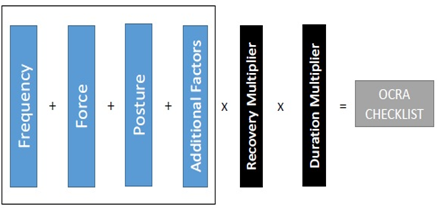
Figure 1. OCRA checklist calculation procedure.
The method is not only useful for measuring the risk of upper limb biomechanical overload accurately, but also for collecting important data in order to manage the risks (such as corrective actions, job rotation, etc.) and damages caused (Hsu et al., 2016).
OCRA checklist method: first general criterion for calculating the final score in the multitasking analysis present in construction
Concerning the analysis of complex tasks, the application of outside plastering, as well as other activities in the construction industry are considered multi-tasks, according to Colombini and Occhipinti (2016), the construction activities have the following characteristics in common:
a) The tasks are not structuring as in a factory, with cycles and a defined number of parts;
b) The tasks are extremely numerous;
c) There are considerable variation between weekly/monthly/daily tasks: a daily task analysis may not be enough to evaluate the actual level of risk exposure;
d) The duration of the task can also vary considerably.
e) The criteria adopted by Colombini and Occhipinti (2016) will be the use of a multi-task analysis, due to the great variability of the external coating activity of mortar on building facades.
In order to define the exposure to the activity, the work can be decomposed into macro phase, phase and task, which will make easier the identification of each task in one activity.
Therefore, each task must be analyzed using the OCRA checklist as if it were the only task performed throughout the entire period: this involves calculating the intrinsic risk indexes.
Once that the information has been acquired, the proper risk exposure analysis can be done, which involves identifying one or more homogeneous groups or workers who are exposed to the same risks and therefore perform the same tasks with the same exposure time (i.e. daily exposure duration and possible duration of tasks in the various cycle times).
Next the application of computational mathematical models should be done and lastly, the interpretation of the results.
Since the calculations are extremely complex, Excel® spreadsheets have been developed, and they will be illustrated in subsequent chapters.
According to Colombini and Occhipinti (2016), the outside plastering activity is classified as a phase within the macro phase of building a wall.
The external coating phase using mortar, according to Gori, Marincioni, Biddulph and Elwell (2017), is divided into two or three tasks, depending on the worker, using hand tools, with the following denominations:
a) To apply the mortar in the external wall;
b) To spread the mortar;
c) To do the fine finish of the mortar on the wall, according to what was required by the company, following the norms and quality standards stipulated.
In the Figures 2 and 3 the external cladding activity in the building facade is shown, as well as the equipment that the construction companies usually use in this kind of activity.
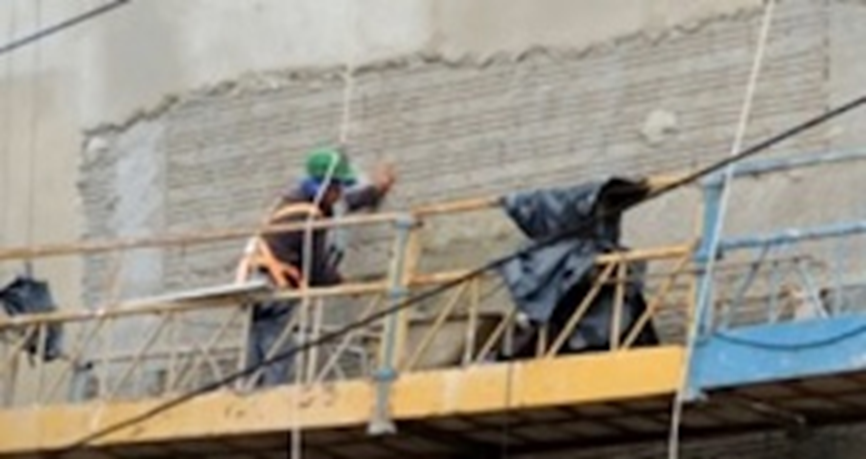
Figure 2. Outside plaster on pendulum.
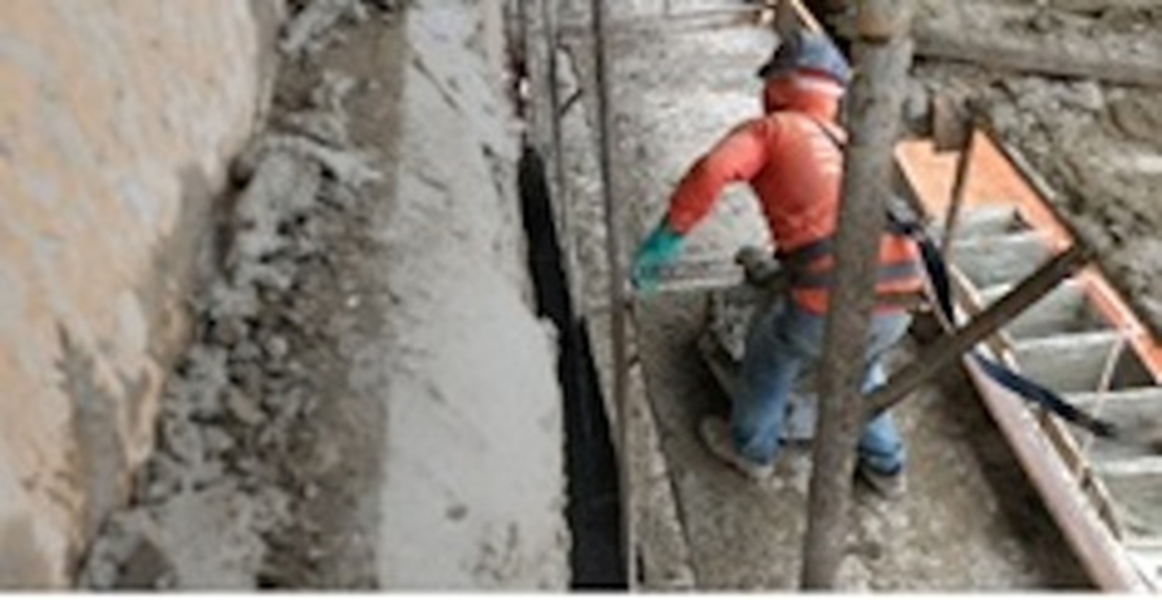
Figure 3. Outside plaster on scaffolding facade.
OCRA checklist: first approach to analyze the intrinsic risk of the task
For the data analysis procedure, the method was used to describe and understand the workstation and to estimate the level of intrinsic exposure of the analyzed task, as if the station were the only one used during the whole shift, by a single worker.
For Colombini and Occhipinti (2016), calculating the intrinsic risk in a given task means evaluating the task as if the worker had carried out the same task throughout the entire shift, and all along the year.
In this way, the researchers adopted the following bias to estimate the Intrinsic Risk Index (IRI) obtained in the workplaces that were analyzed: 460 net minutes of repetitive work; 30 minutes for lunch break and 2 periods of 10 minutes break for snacks.
Only as the first approach, in this study, the OCRA checklist was used in the evaluation of the proposed task, serving as basis to the real multitasking OCRA analysis. For each task, all the intrinsic evaluations must be obtained.
In fact, turnover studies will be applied to this activity in the next stages of the research, modulating the final risk according to which tasks are being performed and taking into account the proportion of execution time (Colombini & Occhipinti, 2016).
In the developmental stage, the researchers are also studying the actual exposure of workers with the OCRA method for the study of multitasking exposure in an annual cycle.
General methodological approach used to study employees in the application of mortar on external brick walls: the choice of the population sample
The research adopts the quantitative aspects to analyze and evaluate the ergonomic factors that influence the aggravation of WMSDs in the external coating activity with the application of mortar on external brick walls.
The databases used were: Science Direct, Scopus and Web of Science, the number of articles found after the searches at the bases set a group of 121 scientific papers relevant to this research, taking into consideration: a) the impact factor of the journal where the article was published; b) number of citations; c) the year of publication, there were 42 scientific papers used in this work.
Data collection was carried out in small and medium-sized construction companies located in the cities of Ponta Grossa (Paraná) and Porto Alegre (Rio Grande do Sul).
The population studied was 101 employees from the operation sector of the construction companies, distributed in the external cladding workstations, according to the information provided by the companies.
The three inclusion criteria adopted were the age (between 18 and 50), to have a work contract signed by the employer, and to have agreed to sign the Free and Informed Consent Form.
After applying the exclusion criterion, in which employees who were in the trial period (90 days) according to Brazilian labor standards could not participate in the survey, the final sample was 64 workers.
This research followed the ethical precepts for research involving human beings and received the approval report of the Research Ethics Committee of the Federal Technological University of Paraná, under the number 2.698.732 (CAAE: 83437517.0.0000.5547).
Results and discussion
Identification of ergonomic demand
In order to identify the ergonomic demand, the list of Absence Notes presented by the employees who performed the work was consulted at the Human Resources Departments of the companies, technical managers or Occupational Safety responsible, considering the period of 12 months (April/2017 to April/2018).
The survey among all the sites reached raised a total of 247 Absence Notes, a small amount compared to the total number of workers in the worksites visited, but only the outside plaster team was taken into consideration.
The Absence Notes were identified by the International Classification of Diseases (ICD) and the complaints registered in the workplace by the Occupational Health and Safety team were also considered, as shown in Figure 4.
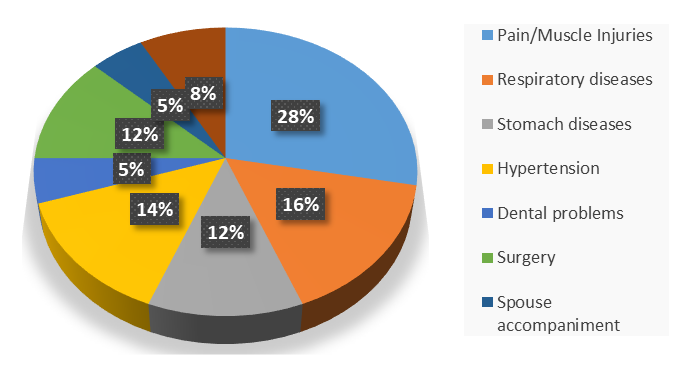
Figure 4. Identification of work absence by ICD.
After the identification of the most common type of injury among the employees who perform the outside plaster activity, according to Figure 4, pain or muscle injuries represent 28% of the medical certificates presented as justification for absence from work in the companies visited.
Within these 28%, the most pain or muscle injuries happened in the upper limbs, with 89% of the total complaints. Thus, the first specific objective of this research was met. The next research about all Ergonomic Demand, in all the different work activities present in the civil construction, had its objective achieved as well, according to Figure 5.
Another important factor for the diagnosis of the Ergonomic Demand due to exposure to biomechanical overload is the analysis of the repetitiveness.
According to Rosecrance, Paulsen and Murgia (2017) repeatability is the most important risk condition, so that WMSDs related to pain or upper limb muscle injuries have often been defined by this concept.
The workstations that were the analysis object, and that were observed were rockers, scaffolding, facades and rack platform.
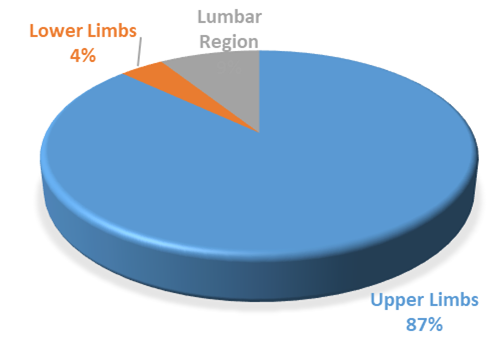
Figure 5. Ergonomic Demand on the outside plaster activity.
Results analysis
The statistical treatment of the sample was performed, identifying the ergonomic demand and the calculation of the risk of biomechanical overload for the upper limbs.
Regarding the statistical treatment, the Kolmogorov-Smirnov Normal Test was performed in a first stage with the sample of 64 workers, because it was a sample with more than 30 cases, between the results of the right and left limbs, which resulted in a normal sample with significance level > 0,05 (Right Member OCRA, ƿ = 0,100; Left Member OCRA, ƿ = 0,098).
To analyze if there was a significant difference, the results were submitted to the ANOVA test, obtaining a significant value for both groups samples (Right Member OCRA, ƿ = 0,554; Left Member OCRA, ƿ = 0,633).
The results exceeded the researchers’ expectations, that evidenced that there were no risk differences between the results, because those were results within the same method of assessing the risk of biomechanical overload of the upper limbs, which indicated that the sample was significant for the purpose of this research.
In the evaluation of the risk calculation of biomechanical overload of the activity the worst result found in the sample was used for this study.
In order to determine the risk of biomechanical overload in the upper limbs, the description of the representation of a workday is essential.
Thus, for the final calculation, the journey was considered intrinsic only for 8 hours, discounting only the pauses, to calculate the effective average duration of the repetitive work. Therefore, to observe the analysis itself, the activities of the two members were considered.
For the execution of the external coating, the workstations have a team with at least two people, one of them is a helper that carries the material during the shift to the other collaborator (Mason) that performs the activity of the external coating in the building facades.
Then, to calculate the OCRA checklist for the repetitive task of the analyzed workstation, the following items were determined: a) effective duration of repetitive work; b) factor of lack of recovery periods; c) frequency of action factor; d) strength factor; e) awkward postures and stereotypy.
For the calculation of the Total Effective Time of the cycle, the effective time relation divided by the number of cycles (equation 1) was used:
Total effective cycle time = Repetitive effective working time in min X / Number of cycles (1)
Due to the difficulty to identify the actual work cycle of the activity, the execution of 1 m2 was considered as unit/cycle. Therefore, the number of cycles observed at this station in a work shift was 480 cycles/shift, which resulted in the duration of the total effective cycle time of 45 seconds.
Therefore, the lack of recovery periods in the presented intrinsic scenario, related to the shift and pauses performed in the analyzed construction sites, presented 4 hours without recovery time in a work shift, with a Recovery Multiplier of 1,330. Moreover, for the action frequency factor, four technical actions were considered (Table 1).
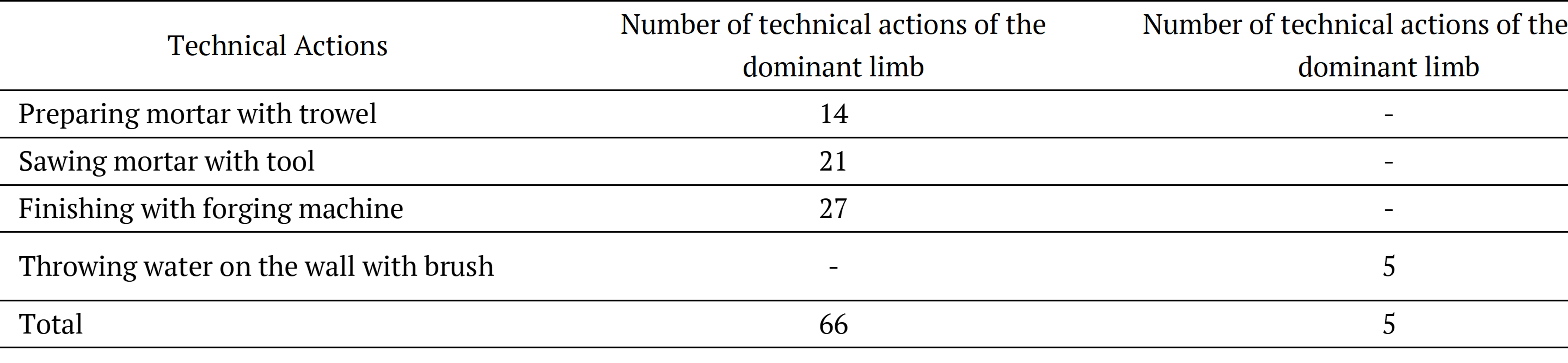
For the calculation of the frequency factor, the following equation was used to obtain a frequency such as "technical actions / minute" (equation 2).
Frequency Factor = Number of actions / Total effective cycle time * 60 (2)
In this regard, the frequency score found for the dominant member with a frequency of 88.0 technical actions/minute was 9. For the non-dominant member, a frequency was 6.7 technical actions/minute which resulted in a Frequency Score equal to 0.
Regarding the use of force, using the Borg CR-10 scale, a score of 3 or "moderate" was obtained. In addition, for the dominant limb, the worker quantified the perceived exertion as being more than half of the cycle time, resulting in a score of the dominant limb force equal to 6.
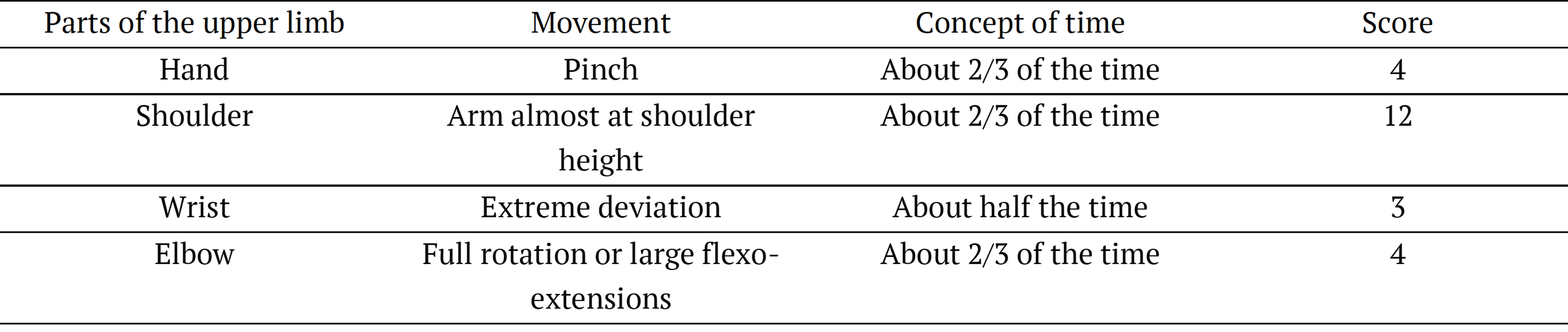
On the other hand, for the non-dominant limb, the quantification of the perceived exertion resulted to be 1/3 of the cycle time, resulting in the strength score equal to 2. In the sequence regarding to the awkward postures considering both limbs, the obtained results are presented in Tables 2 and 3.

Regarding stereotypy, for the dominant upper limb the evaluation resulted in the option to "always repeat the same technical actions" in most part of the time by more than half, resulting in a final score of 1.5.
For the non-dominant member, no stereotyped situation was found. Finally, the final scores, including the values of awkward postures and stereotypy for the dominant and non-dominant members, respectively, were 13.5 and 2.
The additional risk factors in the external coating activity do not fit into any of the situations of additional organizational risks or physical risks that the method advocates, resulting in a score equal to zero in that item.
However, regarding the final weighted score divided by the actual duration of the activity analyzed within the cycle, the result was 35.06 points for the dominant member and 4.92 points for the non-dominant member. For the analyzed workstation, considering the high risk, values ≥ 22.5, which proved the need of immediate intervention (Table 4).
It was strongly recommended to the company interventions with ergonomic improvements in the execution procedures to rapidly reduce the risk of biomechanical overload of employees at the workplace.

Interventions and proposals for corrective actions to prevent and minimize musculoskeletal injuries
In this stage of the research, after the analysis and general evaluation of the sample, it was proposed for one of the companies to redesign the work position, with the objective of minimizing the risk of biomechanical overload, respecting the basic characteristics of task execution and internal company procedures.
Among the companies that participated in this research, there is one located in the city of Porto Alegre/RS, whose mission and philosophy is to provide its employees better working conditions to lessen the risks of the activities done by its employees.
This company showed interest in immediately implanting the interventions presented by the researchers with focus on investment in new technologies, layout redesign and teams resizing, among other proposals.
One of the immediate interventions adopted by the company was the replacement of the rockers by rack platform (Figure 6), as this equipment provides greater safety and comfort to the employee.
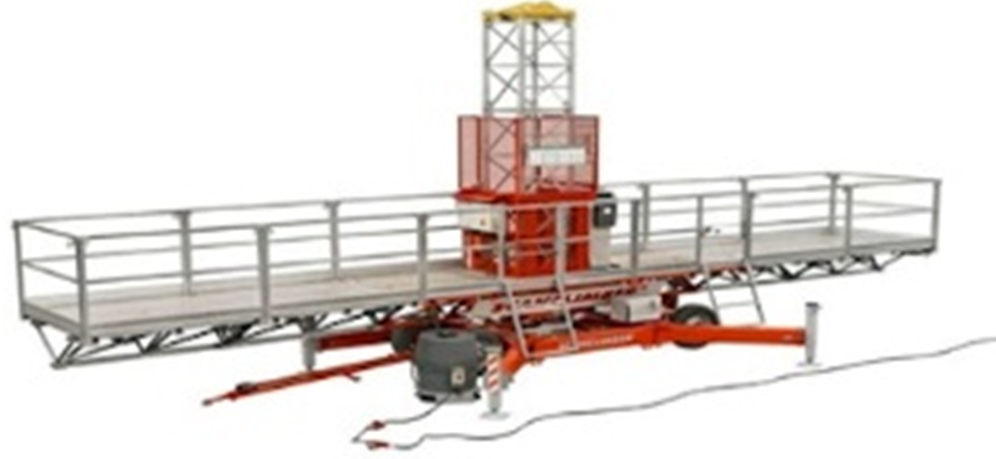
Figure 6. Design of the applied intervention – rack platform.
The developed research showed that as the area of the work station increases, due to its extensors in the floor for trimmed facades the implanted intervention allowed better movement during the work and a better posture when performing the activity.
The study also indicated that there was another advantage in the rack platform implantation. The vertical displacement in the facade has been fully mechanized, providing a better vertical reach in the facade services as a whole, especially in difficult access corners.
Another intervention proposed by the researchers and implanted by the company was the increase of two individuals in each work team. With the increase of the work area, taking into account the productivity for application of projected mortar and the use of the aluminum ruler for slurring, as well as the finishing of the mortar coating, the cost of the investment in equipment leasing was entirely justified.
The increase of the team and the division of activities between two people, changes the culture of decades in the execution of this activity, in which only one worker performed all the necessary technical actions, becoming overloaded.
The use of the aluminum ruler is justified because it is light and because of the workableness that the tool provides to execute the necessary movements, as well as the greater reach of twisting in the facade and reduction of the necessary technical actions.
The calculation involving the studied work role with the suggested improvements was performed by studying the scaling of the application team. They were named Mason II and Mason III.
Thus, Mason II was responsible for the twisting of the mortar on the facade with the aluminum ruler and the Mason III was responsible for handling the mortar compression spray next to the facade, according to Figures 7 and 8.
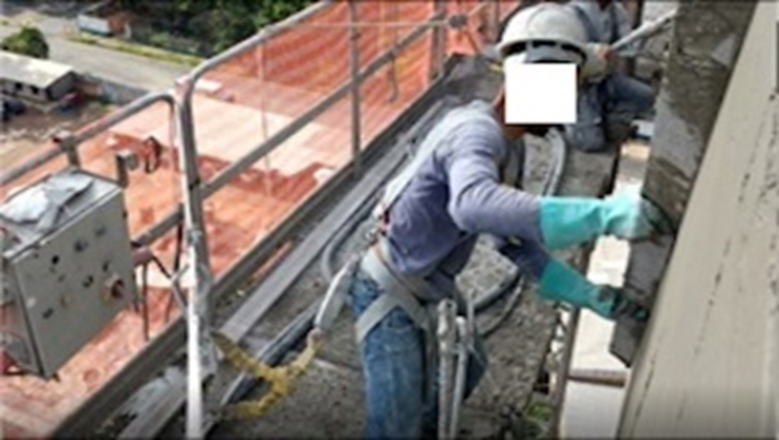
Figure 7. Mason II.
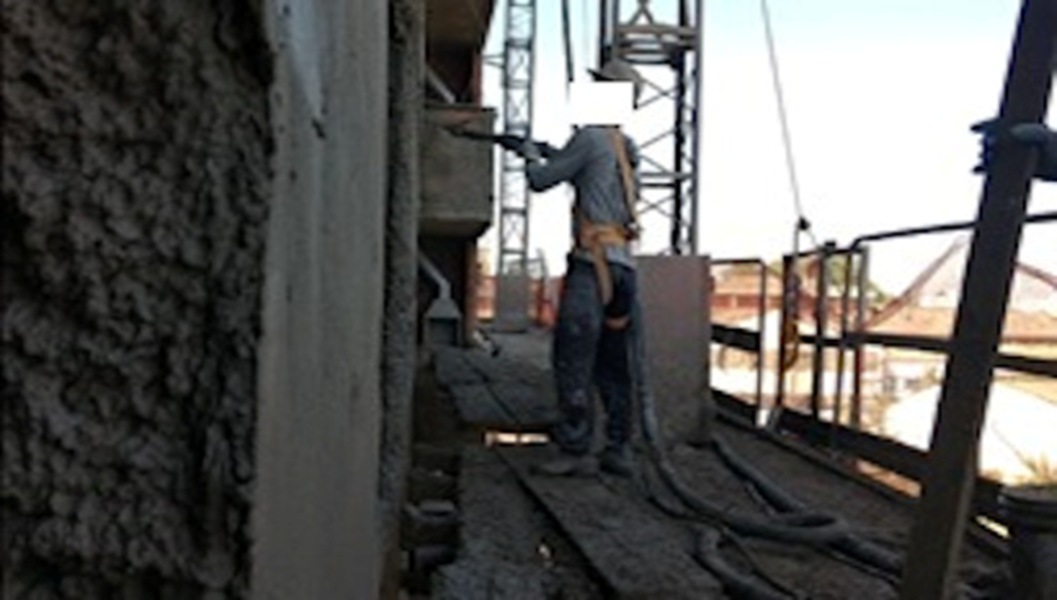
Figure 8. Mason III.
The recalculation of the final score for the functions of Mason II and Mason III, led to satisfactory results and consequently reduction of the risk of biomechanical overload in this work role. That helped the company to make a definitive decision of investing in this equipment.
Regarding the duration and recovery multipliers, there were no changes in correlation to the initial situation, because the meal times and breaks remained the same.
The scores for each step of the method calculation for a 45 second cycle are shown in Table 5.
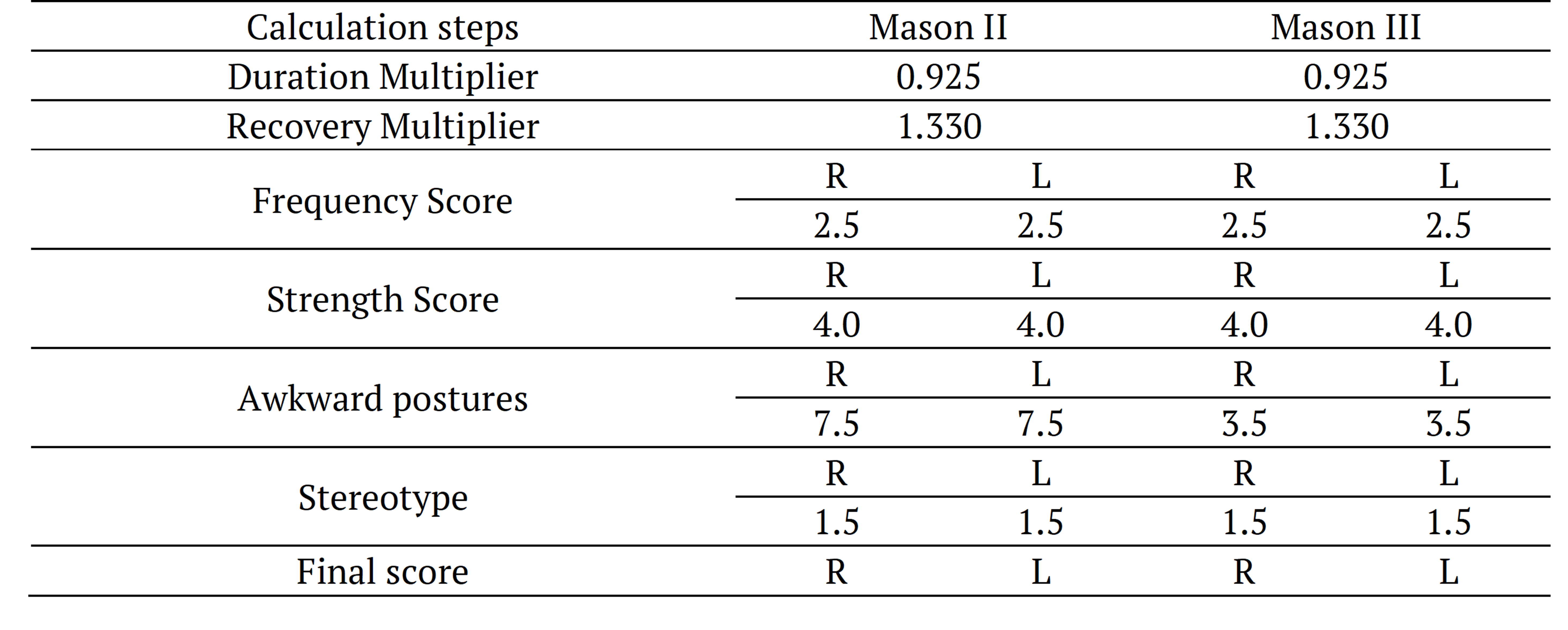
Even with the implemented changes, the activity continued not included in the complementary risk factors that the method recommends, maintaining the zero score for this item.
Comparing the results obtained with improvements on the traditional method of execution of the external mortar coating presented previously, the decrease of the biomechanical risk and overload is notorious.
In the traditional execution way, with just one worker and an inadequate and reduced physical space, when comparing to the rack platform, the result found was 35.06 points in the last risk range of the method.
This leads to the conclusion that high risk was reduce to the medium and low level, for the Mason II and III respectively, due to the resizing of the team and the use of more adequate equipment.
There was a reduction of 50.88% for the Mason II function in relation to the traditional Mason I function and a reduction of 64.91% for the Mason III function.
Table 6 demonstrates the decrease of the OCRA Checklist final score through improvements and reorganization of the job.

Another positive aspect of the intervention was the redesign and reorganization of the technical procedure in the accomplishment of the activity. Using the right and left sides of the upper limbs together the works do not overload just one of the members, but distributes equitably the use of the strength made by each member.
There was a reduction of more than 50% in the workers awkward postures, contributing in a preponderant way to reduce the risk of biomechanical overload in the workplace, but the stereotypy did not change due to the nature of the activity being repetitive.
Conclusion
Although this epidemiological approach represents a very preliminary study, compared to the current needs of evaluation in the construction sites, it shows that, even when carrying out a simple preliminary evaluation of a single task, it is possible to obtain very meaningful results in terms of redesign and consequently the risk reduction.
In fact, the preliminary epidemiological study of the types of disorders and pathologies presented by the group of workers analyzed, clearly showed that the main problem was musculoskeletal disorders in the upper limbs.
The OCRA method (that is the method indicated by ISO standards) was chosen, in its simplest version: OCRA mono-task checklist for daily cycles. After these first and important results, object of the work presented here, a study is already underway, and this one covers all the tasks performed in the civil construction sites, based on the essential intrinsic evaluations through the OCRA checklist, in addition to the analysis of the individual exposure levels (organized in homogeneous groups), through the turnover study based in an annual cycle.
In the future, the study of biomechanical overload will be completed, including manual loading of materials contributing to the NIOSH method and in any case the specific ISO standards, as well as postures of the spine and lower limbs to complete the study of postures of the upper limbs already predicted by the OCRA method.
The interventions described in this study are a sample of the variety of interventions that we, as researchers, are able to perform to improve not only the human condition, but also reduce losses and improve business profits.
Acknowledgements
This study was financed in part by the Coordenação de Aperfeiçoamento de Pessoal de Nível Superior – Brasil (CAPES) – Finance Code 001.
References
Chan, A. P. C., Guo, Y. P., Wong, F. K. W., Li, Y., Sun, S., & Han, X. (2016). The development of anti-heat stress clothing of construction workers in hot and humid weather. Ergonomics, 59(4), 479-495. doi: 10.1080/00140139.2015.1098733
Colombini, D., & Occhipinti, E. (2016). Risk analysis and management of repetitive actions: A guide for applying the OCRA system (occupational repetitive actions) (3rd ed.). Boca Raton, FL: CRC Press.
Dasgupta, P. S., Punnett, L., Moir, S., Kuhn, S., & Buchholz, B. (2016). Does drywall installers' innovative idea reduce the ergonomic exposures of ceiling installation: A field case study. Applied Ergonomics, 55, 183-193. doi: 10.1016/j.apergo.2016.02.004
Eaves, S., Gyi, D. E., & Gibb, A. G. F. (2016). Building healthy construction workers: Their views on health, wellbeing and better workplace design. Applied Ergonomics, 54, 10-18. doi: 10.1016/j.apergo.2015.11.004
Gómez-Galán, M., Pérez-Alonso, J., Callejón-Ferre, A. -J., & López-Martínez, J. (2017). Musculoskeletal disorders: OWAS review. Industrial Health, 55(4), 314-337. doi: 10.2486/indhealth.2016-0191
Gori, V., Marincioni, V., Biddulph, P., & Elwell, C. A. (2017). Inferring the thermal resistance and effective thermal mass distribution of a wall from in situ measurements to characterise heat transfer at both the interior and exterior surfaces. Energy and Buildings, 135(15), 398-409. doi: 10.1016/j.enbuild.2016.10.043
Hsu, F. -W., Lin, C. J., Lee, Y. -H., & Chen, H. -J. (2016). Effects of elevation change on mental stress in high-voltage transmission tower construction workers. Applied Ergonomics, 56, 101-107. doi: 10.1016/j.apergo.2016.03.015
Kathiravan, S., & Gunarani, G. I. (2018). Ergonomic performance assessment (EPA) using RULA and REBA for residential construction in Tamil Nadu. International Journal of Civil Engineering and Technology, 9(4), 836-843. Retrieved from https://bit.ly/3kJkCKe
Li, X., Han, S., Gül, M., & Al-Hussein, M. (2018). 3D Visualization-based ergonomic risk assessment and work modification framework and its validation for a lifting task. Journal of Construction Engineering and Management, 144(1), 1-13. doi: 10.1061/%28ASCE%29CO.1943-7862.0001412
Nath, N. D., Akhavian, R., & Behzadan, A. H. (2017). Ergonomic analysis of construction worker’s body postures using wearable mobile sensors. Applied Ergonomics, 62, 107-117. doi: 10.1016/j.apergo.2017.02.007
O'Sullivan, K., O'Keeffe, M., O'Sullivan, L., O'Sullivan, P., & Dankaerts, W. (2012). The effect of dynamic sitting on the prevention and management of low back pain and low back discomfort: A systematic review. Ergonomics, 55(8), 898-908. doi: 10.1080/00140139.2012.676674
Ray, S. J., & Teizer, J. (2012). Real-time construction worker posture analysis for ergonomics training. Advanced Engineering Informatics, 26(2), 439-455. doi: 10.1016/j.aei.2012.02.011
Rosecrance, J., Paulsen, R., & Murgia, L. (2017). Risk assessment of cheese processing tasks using the strain index and OCRA checklist. International Journal of Industrial Ergonomics, 61, 142-148. doi: 10.1016/j.ergon.2017.05.009
Salas, E. A., Vi, P., Reider, V. L., & Moore, A. E. (2016). Factors affecting the risk of developing lower back musculoskeletal disorders (MSDs) in experienced and inexperienced roadworkers. Applied Ergonomics, 52, 62-68. doi: 10.1016/j.apergo.2015.06.016
West, G. H., Dawson, J., Teitelbaum, C., Novello, R., Hunting, K., & Welch, L. S. (2016). An analysis of permanent work disability among construction sheet metal workers. American Journal of Industrial Medicine, 59(3), 186-195. doi: 10.1002/ajim.22545
Wu, S., He, L., Li, J., Wang, J., & Wang, S. (2012). Visual display terminal use increases the prevalence and risk of work-related musculoskeletal disorders among Chinese office workers: A cross-sectional study. Journal of Occupational Health, 54(1), 34-43. doi: 10.1539/joh.11-0119-oa
Yuan, L., Buchholz, B., Punnett, L., & Kriebel, D. (2016). An integrated biomechanical modeling approach to the ergonomic evaluation of drywalls installation. Applied Ergonomics, 53, 52-63. doi: 10.1016/j.apergo.2015.08.012
Zare, M., Sagot, J. -C., & Roquelaure, Y. (2018). Within and between individual variability of exposure to work-related musculoskeletal disorder risk factors. International Journal of Environmental Research and Public Health,15(5), 2-9. doi: 10.3390/ijerph15051003
Ziaei, M., Ziaei, H., Hosseini, S. Y., Gharagozlou, F., Keikhamoghaddam, A. A., Laybidi, M. I., & Moradinazar, M. (2017). Assessment and virtual redesign of manual handling workstation by computer aided three-dimensional interactive application. International Journal of Occupational Safety and Ergonomics, 23(2), 169-174. doi: 10.1080/10803548.2016.1196997
Notas de autor
juliano.stradioto@gmail.com