Linguistica
Listening is my bugbear: Why Iranian L2 learners keep underperforming in the listening module
Listening é o meu pesadelo: Por que aprendizes iranianos de L2 continuam apresentando baixo desempenho no módulo de listening
Listening is my bugbear: Why Iranian L2 learners keep underperforming in the listening module
Acta Scientiarum. Language and Culture, vol. 39, no. 4, pp. 387-396, 2017
Universidade Estadual de Maringá

This work is licensed under Creative Commons Attribution 4.0 International.
Received: 27 July 2016
Accepted: 01 December 2016
Abstract: This paper shares the results of a study into the way Iranian TEF or TEFAQ candidates treat the listening comprehension as a skill as well as their awareness and exploitation of metacognitive strategies while listening to an audio document. A Persian translation of the Metacognitive Awareness Listening Questionnaire (MALQ) was used in addition to another questionnaire specifically developed for this research in order to gage how important candidates think listening in L2 is compared to the other skills, how much time they spent on practicing listening, and how often they take advantage of authentic documents to improve their listening. Not only did the results show an underestimation of the listening comprehension skill by the majority of Iranian L2 learners, but they also pointed to significant differences in the way men and women exercised their ears and treated the incoming audio stream. The paper concludes that learners’ awareness of listening strategies needs to be raised through classroom instruction and frequent exploitation of authentic documents outside the classroom setting should be encouraged.
Keywords: listening comprehension, metacognitive awareness, listening strategies, TEF, high-stake tests.
Resumo: a) calibrar a importância atribuída pelos candidatos ao listening em L2 em comparação com outras habilidades; b) averiguar quanto tempo eles gastaram na prática de listening; c) identificar com que frequência eles se aproveitam de documentos autênticos para melhorar seu listening. Os resultados mostraram não apenas uma subestimação da habilidade de compreensão auditiva pela maioria dos aprendizes iranianos de L2, mas também apontaram diferenças significativas na maneira como homens e mulheres exercitaram seus ouvidos e trataram o fluxo de áudio recebido. O artigo conclui que a consciência dos aprendizes a respeito das estratégias de listening precisa ser aumentada por meio de instrução em sala de aula e que a exploração frequente de documentos autênticos fora de sala de aula deve ser enconrajada.
Palavras-chave: compreensão auditiva, consciência metacognitiva, estratégias de listening, TEF, testes de índices elevados.
Introdução
As an overwhelming number of Iranian graduates choose to live, work, or study abroad legally (Dargie, 2015; Borjian, 2013; Razavi, 2009; Maloney, 2008), language proficiency tests continue to enjoy unprecedented popularity (Mirhosseini & Khodakarami, 2015). Candidates have to take high-stake tests of language proficiency as one of the prerequisites of submitting an application form. However, many of these candidates perform poorly at the listening module while they do relatively well at the speaking part of the test.
A result analysis of 11 Test d’Évaluation de Français (TEF) et Test d’Évaluation de Français pour l’Accès au Québec (TEFAQ) administered by The Chamber of Commerce and Industry of Paris at Ghotbe Ravandi Institute of Foreign Languages in Tehran, Iran, in the years 2012 and 2013 showed that about three-quarters of candidates obtained a better score at the speaking module in contrast with a mere five percent who performed better at the listening module. The gap did not seem to be sealing when the researchers studied three tests at the same test center in 2014 and 2015 in more depth. The results revealed a 78-percent majority underperformed at the listening module of the test while just under seven percent did better at that.
This discrepancy seems to be also true, though to a lesser extent, for the International English Language Testing System (IELTS) results in Iran. According to the official IELTS test taker performance 2014 report, candidates whose country of origin was Iran obtained a mean band score of 6.1 at the listening module and 6.4 at the speaking module. The mean band scores of those whose first language was Farsi were 6.1 and 6.5 at the listening and speaking modules respectively.
Listening is believed to be the natural precursor to speaking and since receptive knowledge grows faster than productive knowledge (Nation & Newton, 2009), one might say that a language learner is supposed to have at least the same level of proficiency in the listening skill than in the speaking skill, if not higher. In reality though, a large majority of candidates in Iran get acceptable scores at the speaking module of a high-stake test but fail to do so at the listening module. In fact, many Iranian candidates have to retake the TEF / TEFAQ – often several times – before they finally obtain a listening score that is expected of them. It would, therefore, be difficult to explain this cleavage between two language skills that are considered to be integrated and intertwined (Christison & Murray, 2014; Nelson, Hotz, & Plante, 2015; Usó-Juan & Martínez-Flor, 2006; Kaplan, 2010; Chodkiewicz & Trepczyńska, 2014).
Nevertheless, some consider listening as “[…] the most difficult skill to learn […]” as it is “[…] the least explicit of the four language skills” (Vandergrift, 2004, p. 3). More recent studies have also found that a large number of learners consider listening the most difficult language skill (Field, 2008; Renandya & Farrell, 2011). Listening difficulties, as reported by L2 leaners, according to different studies, include concentration difficulties, high rate of speech (Hasan, 2000; Lynch, 2009), failing to recognize words they know or to separate the speech stream into manageable chunks (Goh, 2000), failing to recognize transition markers (Underwood, 1989), listening fatigue due to length of texts (Hasan, 2000) (Rost, 1994), failing to construct general meaning in spite of understanding individual words (Goh, 2000), and ineffective use of listening strategies (Hasan, 2000).
While some studies have shown intermediate and lower intermediate learners rely heavily on bottom-up processing, breaking down the sound stream into meaningful units, for interpreting the incoming speech stream (Hansen & Jensen, 1994), many more have shown top-down processing, drawing on the context and background knowledge, is widely used (Mueller, 1980; Voss, 1984; Wolff, 1987; Koster, 1987; Mack, 1988; Long, 1989) and that it could be misleading if learners failed to correct their initial predictions based on their background knowledge in a timely fashion (Long, 1990; Lund, 1991; Hansen & Jensen, 1994; Tsui & Fullilove, 1998). However, more recent studies have underlined that, depending on the circumstance, one or the other strategy might be brought to the front and this may well be different from learner to learner (Field, 2004).
The researchers of the present study hypothesized that the disparity between the listening and speaking scores in Iran must have to do with teaching approaches and techniques on the one hand, and learning approaches and attitudes on the other. We felt that both teachers and students had a more traditional view which considers the listening comprehension skill as a passive process by which the listener receives the information sent by the speaker (Nation & Newton, 2009) rather than a revised view which considers listening as a more active process relying on the context demanding that the listener interpret and construct meaning (Lynch & Mendelsohn, 2013).
This paper aims to zoom in on the perception the average Iranian learner preparing for a high-stake test has of the listening comprehension skill, and the extent to which they learn about or use cognitive and metacognitive strategies to their advantage.
French language in Iran: A brief overview
During the reign of the ‘Qajars’ (1794-1925) in Persia (present-day Iran), despite the wars and supremacy of the Russian Empire, relations with certain western countries and the will of the leaders of the time led Iran towards technological and educational modernization. In other words, it was during the reign of the ‘Qajar’ kings that the Iranian educational system underwent major changes, inspired by western educational system, especially during the reign of ‘Naseredin Shah’ and his chancellor ‘Amir Kabir’. This is when the most important stage of the expansion of French in Iran took place. In 1851, with the inauguration of the ‘Dâr-ol-Fonoun’ (the first western style school in Iran founded by ‘Amir Kabir’), French immediately established itself as the main language of instruction.
In 1925, ‘Mohammad Reza Shah’ was crowned king of Iran, thus founding the ‘Pahlavi’ dynasty. Under his rule, the country officially took the name of Iran in 1934 and had to undergo a vast program of westernization. English, which was then perceived as the language of modernity, replaced French in educational centers.
After the 1979 revolution, which ended monarchy in Iran, Arabic was favored, by the government, over other foreign languages. However, English has maintained its status as the foremost western language taught in Iranian schools to this day.
Now, after several centuries of French language presence in Iran, it could be said that Francophonie in its common sense, that is total or partial use of French, is inexistent in the Iranian society. This can be explained by the fact that French is not a vernacular in Iran, as is the case in North Africa. In any case, French persists in certain strata of Iranian high society and in some universities and schools and cultural institutions of big cities.
Gashmardi and Salimikouchi (2011) have described this as a latent presence of Francophonie in Iran as the language is significant for historical or cultural reasons. They argue that this latency owes its presence to two main kinds of exchanges: at first linguistic exchanges by means of translation in the form of borrowing and calque, and then cultural exchanges under the influence of literary and intellectual currents. This latent cultural Francophonie is seen mainly among Iranian intellectuals through a large number of works in human sciences translated into Farsi. Iranian intellectuals and scholars are thus familiar with the French culture without even knowing French.
Today, it is mainly in higher education that the French language is present. With only 17 university departments, French is studied at undergraduate, graduate and post-graduate levels. According to the website of the French embassy in Tehran, there were about 800 French teachers and 40,000 learners of French in 2016 (La coopération linguistique et éducative 2016).
Teaching listening in classroom
After having made its way into the language classroom some 50 years ago, it will be no exaggeration to say that listening comprehension is the orphan skill. Both teachers and course books have paid it the least systematic attention (Vandergrift & Goh, 2012). Despite more opportunities to listen to educational as well as authentic materials in and out of classroom, learners are expected to develop their own listening skills. It may be that teachers themselves are not sure how to teach listening. As a result, most listening activities focus on the outcome rather than the procedure. In other words, present classroom activities tend to test learners’ comprehension and not teach them how to listen. This leads to increased anxiety that certainly has an impact on the outcome.
Another challenge that learners meet while listening is that they may neither rewind nor pause the audio. They feel helpless when they have no control over what comes to them. What is worse is that they are not given the much-needed scaffolding to build on. Even after studying the language for a long time, learners fail to become proficient L2 listeners (Rost, 2014). Han (2004) has shown that effective listening takes more than developing skills and putting effort into language learning.
It has been suggested that metacognition, which refers to the ability of controlling and regulating one’s thoughts and learning, improves comprehension (Wenden, 1998). However, teachers have not yet fully tapped into the potential of metacognition. Much of the listening instruction has been either text-oriented or communication-oriented, with the former being loud verbalization of written text and the latter subordinating listening to speaking and writing. Only recently have learner-oriented listening lessons been developed (Vandergrift & Goh, 2012). In a learner-oriented listening lessons, it is required of the teachers to make explicit all the implicit processes on which listening sub-skills are founded. Vandergrift (2004, 2007) and Goh (1997, 2008) put forward the idea of metacognitive listening instruction which aims to empower learners to self-direct to achieve better comprehension.
Rost (2014) has concluded that the major challenges L2 listeners encounter are of either affective, cognitive, or interpersonal nature. He suggests that in order to overcome such difficulties, learners need to consciously employ an array of strategies which includes:
- resilience, to combat stress caused by loss of face when one fails to understand what is being addressed to them;
- commitment, to develop motivation to continue by committing oneself to the target language and its culture;
- compensation, to resist and compensate for the overpowering influence of the native language phonology;
- transfer, to interpret new extralinguistic references by successfully transferring the semantic schemata;
- task orientation, to focus on the goals of interaction instead of on the language by adopting a task-oriented approach toward the conversation; and
- style accommodation, to find a conversation style which is compatible with the L2 culture.
What is clear is that internalizing all these strategies in such a way that they will be activated effortlessly is a lengthy process which requires both intensive and extensive rehearsal.
Method
A two-page questionnaire in Persian, the participants’ native language, was developed. Guidelines on preparing questionnaires, according to Dörnyei (2003), were followed. The length of the questionnaire was limited to two pages on both sides of an A4 sheet. The average completion time was estimated to be 10 minutes. Regarding the questionnaire layout, a neat-looking Persian typeface with appropriate size and spacing was chosen. Compromises were made to maintain a balance between text, graphics, and white space to prevent the questionnaire from looking too crowded or chaotic. In the header, the participants were assured that the survey was being carried out with the purpose of writing a PhD thesis, that it was completely independent of the exam they were sitting, and that their answers would not impact their final score in any way. They were also reassured that their answers would remain confidential. The English translation of this questionnaire appears in Figures 1 and 2.
Further down on this page, the participants were encouraged not to overthink about the questions and that a quick reply would probably be closest to the truth.
Information on the name, age, gender, and the length of time they had been learning French was collected. They were also asked to have an estimation of the CERF level they would achieve in both listening and speaking sections in the exam that was about to start.
In addition, the questionnaire invited the participants to number the four skills in the order of importance and then roughly estimate how a 90-minute session – as it is customary in Iran – of their language class is divided to work on each skill.
This was followed by a four-item table which aimed at eliciting how often the participants, as language learners, exposed themselves to the French language by watching films or listening to news, songs, or audio books. They were reminded that they needed to answer based on what they actually do and not what they think they should do.

Figure 1.
The first page of the questionnaire.
On the other side of the sheet, a Farsi translation of The Metacognitive Awareness Listening Questionnaire (MALQ) developed by Vandergrift, Goh, Mareschal, and Tafaghodtari (2006) was presented. It is a 21-item 6-point Likert scale “[…] designed to assess second language listener’s metacognitive awareness and perceived use of strategies” (Vandergrift et al., 2006, p. 431) which the participants had developed in the course of their language learning to treat oral verbal input. The questionnaire has undergone rigorous exploratory and confirmatory factor analysis and offers robust psychometric properties.
The MALQ encompasses a wide range of strategies that fall under the five factors of ‘problem-solving’, ‘planning and evaluation’, ‘mental translation’, ‘person knowledge’, and ‘directed attention’. What is presented here is the original English version of the questionnaire as it appeared in Vandergrift et al. (2006).
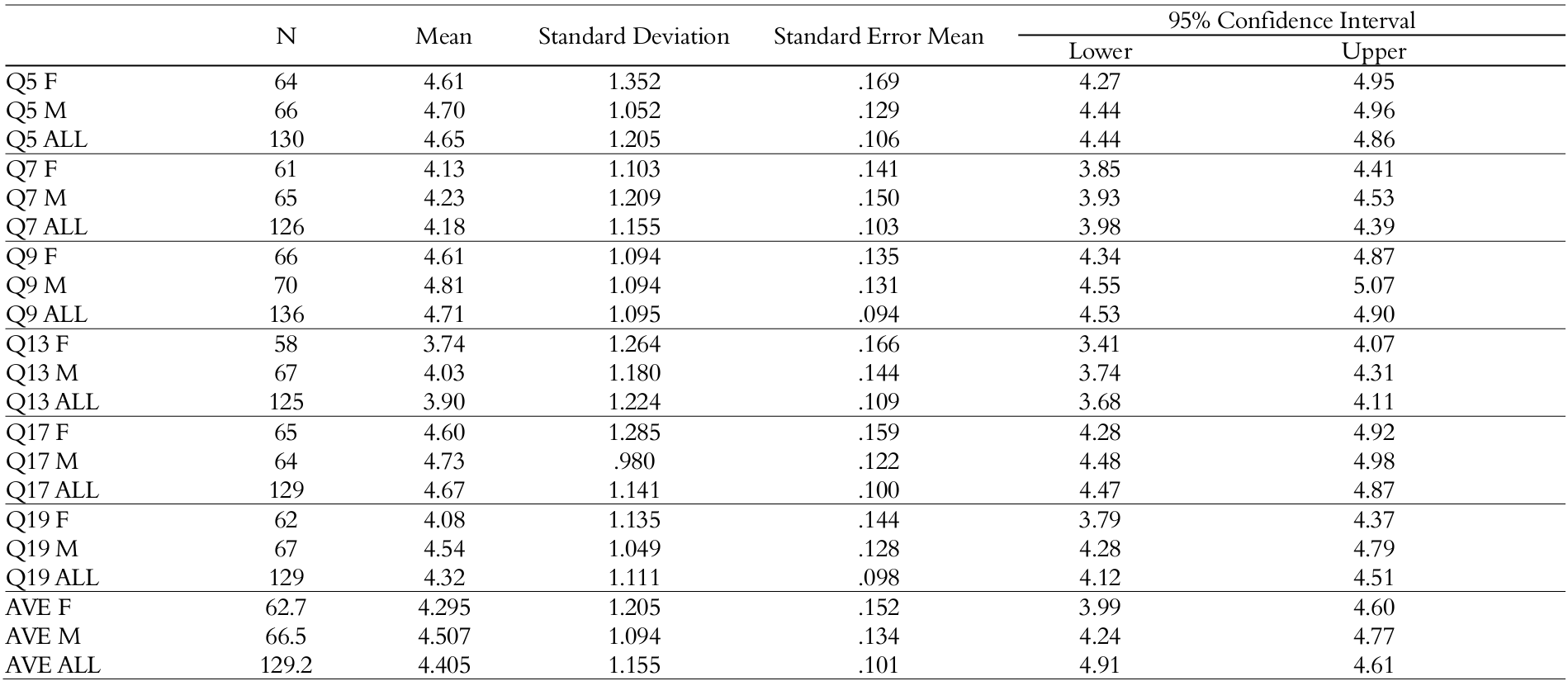
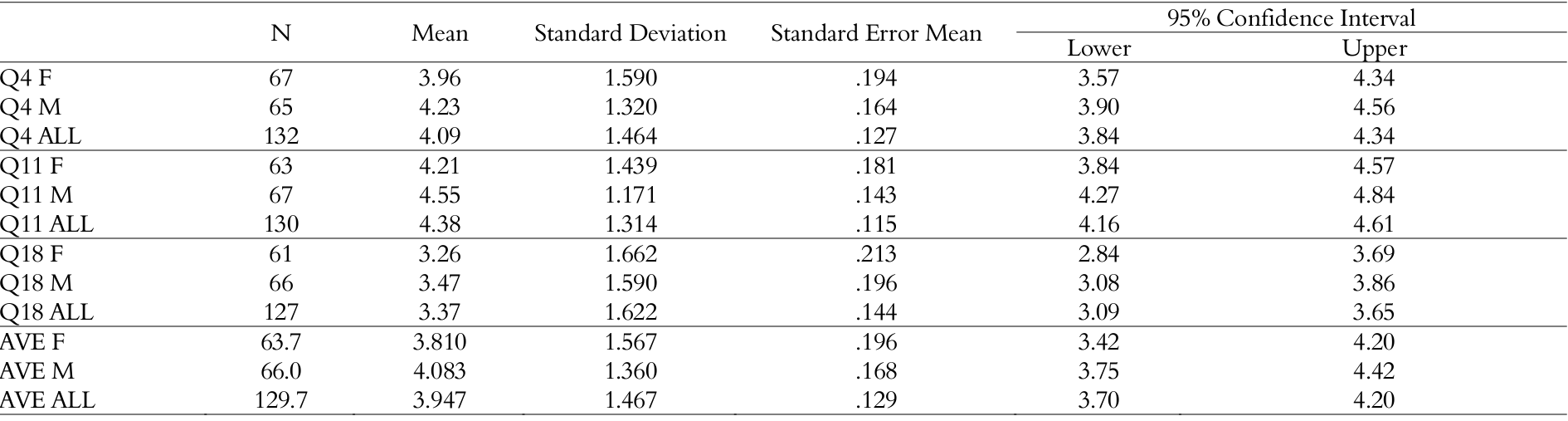
Questions 5, 7, 9, 13, 17, and 19 represent the problem-solving processes and indicate to what extent the candidates could take advantage of strategies to guess, interpret, verify and adjust one’s understanding of unknown words. Planning and evaluation is the second factor whose underlying strategies include having a plan for listening, drawing on similar texts, setting a mental goal, regularly checking if one is satisfied with the ongoing interpretation, and judging how effective one’s employed strategies are. These are reflected in questions 1, 10, 14, 20, and 21. The three items (questions 4, 11, and 18) which group together under the third factor, i.e. mental translation, aim to reveal whether the candidates avoid the online translation of the incoming stream. After all, translation while listening is not a hallmark of skilled listeners. Questions 3, 8, and 15 are items of the fourth factor, i.e. person knowledge. They represent the participants’ perceptions regarding the difficulty of listening compared to the other three language skills, their level of confidence, and how anxious they would feel while dealing with listening tasks in L2.

Figure 2.
The second page of the questionnaire.
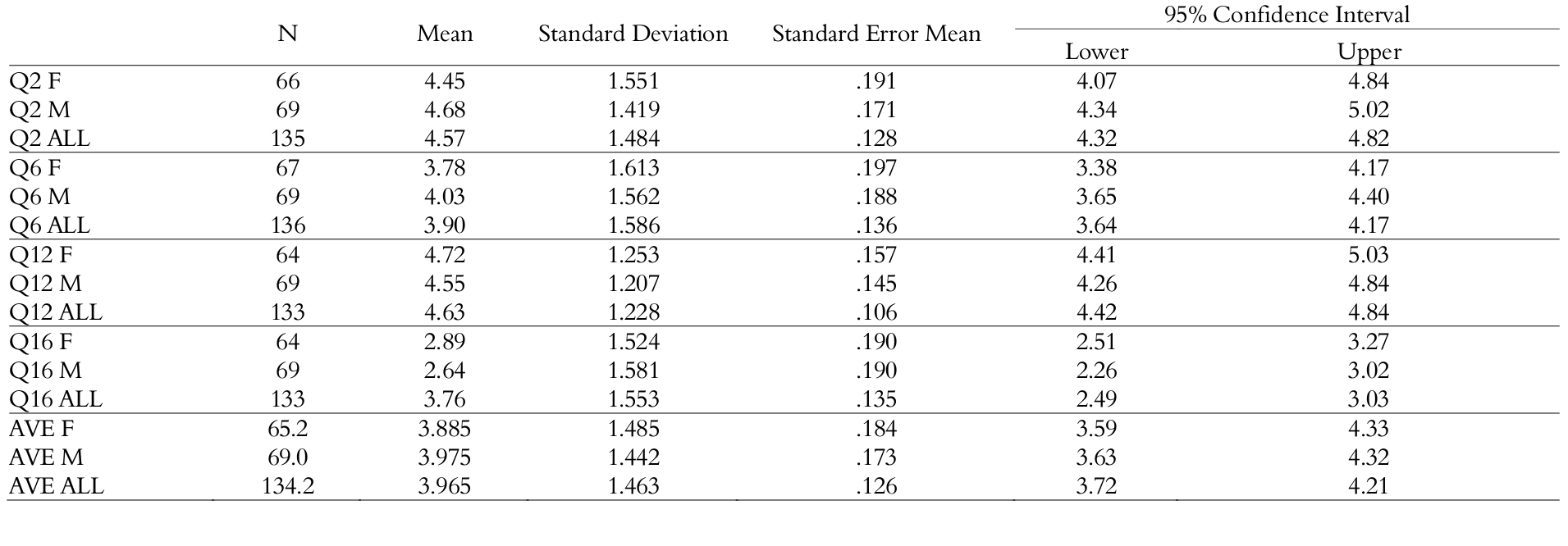
Finally, direct attention is the fifth factor and it represents strategies the candidates use to remain focused on a listening task. Questions 2, 6, 12, and 16 would indicate how effectively the candidates could concentrate and remain concentrated, focus harder when having trouble understanding, regain concentration after having lost it, and persist in the face of comprehension difficulties.
The survey questionnaire, distributed prior to the TEF / TEFAQ held at Ghotbe Ravandi Institute of Foreign Languages in Tehran, Iran, on the 13th of November 2014, the 12th of March 2015, and the 14th of May 2015, was simply offered to each and every one of the candidates who presented at the test center. Out of the 183 candidates (35, 83, and 65 candidates present at the tests respectively, 92 of whom were women and 91 men), 137 (70 men and 67 women) completed the questionnaire. Some declined to take part and some did not hand back the questionnaire. The youngest participant was 25 years old and the eldest was 48, with a mean of 33.9. On average, men were slightly younger, with a mean age of 33.5, compared to women with 34.2. Their leaning period ranged anything from six months to nine years with a mean of 2.5 years. All the participants were of Iranian nationality.
Results and discussion
Most candidates did not live up to their own expectation in the listening module and scored lower-than-expected marks whereas nearly half of them achieved the CERF level they thought they would in the speaking test and 16% of them eventually obtained even a better score than they had predicted.
While 63% of participants had predicted they would achieve equal CERF levels in the listening and speaking modules and 37% of them had expected a higher level in speaking (surprisingly, none of the candidates thought they would perform better in listening), the result tables, published later by CCI Paris Ile-de-France, showed that 78% of the candidates eventually achieved a lower CERF level in listening and only seven percent of them obtained a higher CERF level in listening. Nevertheless, looking at results for men and women separately adds an unexpected twist: while 70% of men had expected equal CERF levels in the two skills, half of them actually achieved it. In contrast, only about nine percent of female candidates achieved the same CERF level in both modules whereas almost 60% of them had anticipated that. This is to say that although none of the male candidates obtained a better CERF level at the listening module, their female counterparts are facing a crisis in this regard. In addition, this could also mean that women massively overestimate their listening comprehension ability in L2.
However, this overestimation may derive from pure optimism since 74% of women said they could understand better when they read than when they listen while 24% of them reported better understanding of spoken texts than written texts. In fact, female candidates seemed to be aware of the challenging nature of the listening module but still predicted higher scores than what they were capable of. Wishful thinking might have played a part when filling out the questionnaire. In contrast, 51% of men believed they would have less difficulty understanding spoken speech. This confirms that women find the comprehension of spoken speech more challenging than men do, as asserts the obtained results.
When asked to rate the four language skills in the order of importance, 55% of participants deemed speaking more important than listening. This 10% difference might not send a strong message but gender-specific results do. In fact, while a 66% majority of male participants claimed they attached more importance to listening, just over one out of five women prioritized oral comprehension. This strikingly distinct attitude toward listening is well reflected in the results obtained by each gender group.
Paradoxically, even though 45% of participants placed more importance on listening, only 22% of them spent more time training their ears and more than half set aside more time for speaking practice. Once again, men’s answers stood in marked contrast to those of women. Nearly one-third of men said they spent more time on practicing listening (despite two-thirds of them considering it of greater importance), just about 12% of women put more time aside for listening in practice. One would normally expect that if an L2 leaner thinks a particular skill carries more significance, they will simply dedicate more time to it but our survey results show that the participants do not even give the listening comprehension skill the credit they think it deserves.
In the next part, participants needed to determine how frequently they took advantage of authentic audio or audio-visual documents such as news broadcasts, movies without subtitles, songs, and audiobooks. French songs were found to be the most popular with both men and women with 45% of them listening to songs often (that is three times or more in a week). This popularity could be justified considering the availability and the entertaining nature of songs. News broadcasts in French were the second popular choice of the candidates with 32%. However, they were found to be twice as popular with men as with women. While more than 21% of men watched films on a regular basis, only nine percent of women did so. Audiobooks, which were the least popular among men with 14%, were better liked by 17% of women, making films the least favored choice among the latter group.
The inconvenient truth, however, is that many more candidates confided they hardly ever used such materials to their advantage. One-third of all surveyed participants never, or hardly ever, listened to French songs, more than half wound not watch or listen to French news, 63% rarely watched French films and three quarters reported not listening to audiobooks. All percentages, except for songs, are lower among women.
Another proof for under-exploitation of authentic documents is that almost one in three candidates admitted they would not use any of these often. This represents one in four males and 37% of females. On the other hand, 28% reported watching or listening to at least two of these documents often. The figures are 33% for men and 24% for women.
An analysis of the Metacognitive Awareness Listening Questionnaire (MALQ) shows that the candidates benefit most from the Problem Solving factor (Table 1) which includes strategies to work around unknown words as they listen. However, there is a significant gap in favor of men, which means they are better guessers.
Planning and Evaluation (Table 2) is the least exploited factor by Iranian learners. This is specially an issue when it comes to drawing upon any similar texts they might have previously listened to and monitoring one’s level of comprehension.
Mental translation (Table 3) is a set of inefficient strategies that must be avoided. Nevertheless, they are more employed than not by the participants. This is particularly a cause for concern among men.
Table 4 (Person Knowledge) shows that both male and female learners find listening comprehension tasks more challenging than the other three skills.
Finally, Table 5 (Direct Attention) shows to what degree the participants are able to remain focused on the task without interrupting the other metacognitive processes. The means indicate a deficiency in concentration among candidates of either gender.


Conclusion
In the final analysis, it appears that the importance of listening comprehension skill is commonly underestimated among Iranian learners, particularly by women. Concerning metacognitive processes exploited by our sample population, women were found to benefit poorly from contextual clues to guess the meaning of unknown words whereas their male counterparts seem to rely more heavily on online translation, a destructive habit. The truth is the alarm has already gone off for both Iranian L2 learners and teachers. If the candidates seem underprepared for listening tasks in high-stake tests, it is undoubtedly rooted in the poor classroom training they receive. Teachers should therefore nurture the habit of using authentic audio documents, specially outside the classroom, in their students. Furthermore, more classroom time should be set aside for exclusive listening strategy teaching to raise the learners’ metacognitive awareness on listening. In the meanwhile, Iranian candidates keep paying a dear price as they have to take repeat tests, pay for the test registration and most probably enroll in preparation courses too. They are also forced to wait for several more months and working hard to meet a deadline certainly takes its toll.
References
Borjian, M. (2013). English in post-revolutionary Iran: from indigenization to internationalization. Bristol, UK: Multilingual Matters.
Chodkiewicz, H., & Trepczyńska, M. (Eds.), (2014). Language skills: traditions, transitions and ways forward. Newcastle, UK: Cambridge Scholars Publishing.
Christison, M., & Murray, D. E. (2014). What English language teachers need to know. New York, NY: Routledge.
Dargie, R. (2015). Changing world: Iran. Minnesota, MN: Arcturus Publishing.
Dörnyei, Z. (2003). Questionnaires in second language research: construction, administration, and processing. London, UK: Lawrence Erlbaum Associates.
Field, J. (2004). An insight into listeners’ problems: too much bottom-up or too much top-down. System, 32(3), 363-377.
Field, J. (2008). Listening in the language classroom. Cambridge, MA: Cambridge University Press.
Gashmardi, M., & Salimikouchi, E. (2011). Parcours de la francophonie en Iran : une francophonie latente. Alternative Francophone, 1(4), 99-112.
Goh, C. C. (1997). Metacognitive awareness and second language listeners. ELT Journal, 51(4), 361-369.
Goh, C. C. (2000). A cognitive perspective on language learners’ listening comprehension problems. System, 28(1), 55-75.
Goh, C. C. (2008). Metacognitive instruction for second language listening development: theory, practice and research implications. RELC Journal, 39(2), 188-213.
Han, Z. (2004). Fossilization in adult second language acquisition. Bristol, UK: Multilingual Matters.
Hansen, C., & Jensen, C. (1994). Evaluating lecture comprehension. In J. Flowerdew. Academic listening (p. 241-268). Cambridge, MA: Cambridge University Press.
Hasan, A. S. (2000). Learners’ perceptions of listening comprehension problems. Language, Culture and Curriculum, 13(2), 137-153.
Kaplan, R. B. (2010). The Oxford handbook of applied linguistics (2nd ed.). New York, NY: Oxford University Press.
Koster, C. J. (1987). Word recognition in foreign and native language: effects of context and assimilation. Dordrecht, NL: Foris Publications.
La coopération linguistique et éducative. (2016, November, 25). Retrieved from La France en Iran: Ambassade de France à Téhéran. Retrieved from http://www.ambafrance-ir.org/La-cooperation-linguistique-et-educative
Long, D. R. (1989). Second language listening comprehension: a schema-theoretic perspective. The Modern Language Journal, 73(1), 32-40.
Long, D. R. (1990). What you don’t know can’t help you. Studies in Second Language Acquisition, 12(1), 65-80.
Lund, R. J. (1991). A Comparison of second language listening and reading comprehension. The Modern Language Journal, 75(2), 196-204.
Lynch, T. (2009). Teaching second language listening. Oxford, UK: Oxford University Press.
Lynch, T., & Mendelsohn, D. (2013). Listening. In N. Schmitt. An Introduction to applied linguistics (p. 180-196). New York, NY: Routledge.
Mack, M. (1988). Sentence processing by non-native speakers of English: Evidence from the perception of natural and computer-generated anomalous L2 sentences. Journal of Neurolinguistics, 3(2), 293-316.
Maloney, S. (2008). Iran’s long reach: Iran as a pivotal state in the muslim world. Washington, DC: United States Institute of Peace Press.
Mirhosseini, S.-A., & Khodakarami, S. (2015). A glimpse of contrasting de jure–de facto ELT policies in Iran. In C. Kennedy. English language teaching in the Islamic Republic of Iran: innovations, trends and challenges (p. 23-32). London, UK: British Council.
Mueller, G. A. (1980). Visual contextual cues and listening comprehension: an experiment. The Modern Language Journal, 64(3), 335-340.
Nation, I., & Newton, J. (2009). Teaching ESL/EFL listening and speaking. New York, NY: Routledge.
Nelson, N., Hotz, G., & Plante, E. (2015). Test of Integrated Language and Literacy Skills (Tills ) Technical Manual. [S.l.]: Brookes Publishing Company.
Razavi, V. (2009). The age of nepotism. San Francisco Bay, CA: Vahid Razavi.
Renandya, W. A., & Farrell, T. S. (2011). ‘Teacher, the tape is too fast!’ Extensive listening in ELT. ELT Journal, 65(1), 52-59.
Rost, M. (1994). Introducing listening. London, UK: Penguin English.
Rost, M. (2014). Listening in a multilingual world: the challenges of second language (L2) listening. International Journal of Listening, 28(3), 131-148.
Tsui, A. B., & Fullilove, J. (1998). Bottom-up or top-down processing as a discriminator of L2 listening performance. Applied Linguistics, 19(4), 432-451.
Underwood, M. (1989). Teaching Listening. New York, NY: Longman.
Usó-Juan, E., & Martínez-Flor, A. (2006). Current trends in the development and teaching of the four language skills. Berlin, DE: Mouton de Gruyter.
Vandergrift, L. (2004). Listening to learn or listening to listen. Annual Review of Applied Linguistics 24, 3-25.
Vandergrift, L. (2007). Recent developments in second and foreign language listening comprehension research. Language Teahing, 40(3), 191-210.
Vandergrift, L., & Goh, C. C. (2012). Teaching and learning second language listening: metacognition in action. New York, NY: Routledge.
Vandergrift, L., Goh, C. C., Mareschal, C. J., & Tafaghodtari, M. H. (2006). The metacognitive awareness listening questionnaire: development and validation. Language Learning, 56(3), 431-462.
Voss, B. (1984). Slips of the ear: investigations into the speech perception behavior of german speakers of english. Tubingen, DE: Narr.
Wenden, A. (1998). Metacognitive knowledge and language learning. Applied Linguistics, 19(4), 515-537.
Wolff, D. (1987). Some assumptions about second language text comprehension. Studies in Second Language Acquisition, 9(3), 307-326.
Author notes
rahmatir@modares.ac.ir