Artigos
The Gamification Octalysis Framework within the Primary English Teaching Process: the Quest for a Transformative Classroom
O marco concetual da Octalysis no processo de ensino de inglês no 1º Ciclo do Ensino Básico: a busca por uma sala de aula transformadora
El marco conceptual del Octalysis en el proceso de enseñanza de inglés en primaria: la búsqueda por una clase transformadora
Le cadre conceptuel de l’Octalysis dans le processus d’enseignement de l’anglais à l’école primaire: la recherche d’une classe en transformation
 Suzette Oliveira suzette_74@hotmail.com
Mário Cruz mariocruz@ese.ipp.pt
Suzette Oliveira suzette_74@hotmail.com
Mário Cruz mariocruz@ese.ipp.pt
The Gamification Octalysis Framework within the Primary English Teaching Process: the Quest for a Transformative Classroom
Revista Lusófona de Educação, no. 41, pp. 63-82, 2018
Universidade Lusófona de Humanidades e Tecnologias
Abstract: The “Kwesukasukela” project, which focuses on African oral tradition storytelling intermingled with the Ubuntu philosophy (Varty, 2013), has as its main aim to stimulate collaboration, communication, critical thinking and creativity, within primary school settings. In fact, through an experiential communicative approach (Fernández-Corbacho, 2014), South African storytelling can become a gamified experience and integrated into English classroom practices as a means of transformation and stimulation of social cohesion and sustainable development (Battiste, 2005).The aim of this study is to reflect upon Chou’s (2016) Octalysis framework and how it can effectively be applied in Primary English Teaching contexts. The implementation of gamification designs and practices within this type of framework allowed us to understand how we can implement effective approaches towards a transformative classroom. An ethnographic methodological approach, with triangulation of data collection tools (questionnaires, self-assessment worksheets and project work), was resorted. Gamified practices, which deal with South African cultural and linguistic varieties (Nomlomo & Zilungile, 2016) and 21st Century Learning skills, were analized (Cruz & Orange, 2016).The project’s main results show that the gamification approach can foster the development of transformative skills.
Keywords: octalysis framework, english for young learners, storytelling, 21st century skills.
Resumo: O projeto “Kwesukasukela”, que se centra na narrativa africana de tradição oral, ligada à filosofia do Ubuntu (Varty, 2013), tem como principal objetivo estimular a colaboração, comunicação, pensamento crítico e criatividade, dentro das escolas do 1º Ciclo do Ensino Básico. De facto, através de uma abordagem comunicativa experiencial (Fernández-Corbacho, 2014), a narrativa sul-africana pode tornar-se uma experiência gamificada e integrada nas práticas de sala de aula como meio de transformação e promoção da coesão social e o desenvolvimento sustentável (Battiste, 2005). O objetivo deste estudo é refletir sobre o modelo da Octalysis de Chou (2016) e como este pode ser efetivamente implementado em contextos de ensino de inglês no 1º Ciclo do Ensino Básico. A implementação de projetos e práticas de gamificação no âmbito deste modelo permitiu-nos compreender como podemos implementar abordagens eficazes no que concerne a criação de uma sala de aula transformadora. Utilizámos uma abordagem metodológica etnográfica, com triangulação de instrumentos de recolha de dados (questionários, fichas de auto-avaliação e trabalhos de projeto). Analisámos práticas gamificadas que lidam com as variedades culturais e linguísticas sul-africanas (Nomlomo & Zilungile, 2016) e com as competências de aprendizagem do século XXI (Cruz & Orange, 2016). Os principais resultados do projeto mostram que a abordagem de gamificação pode fomentar o desenvolvimento de competências transformadoras.
Palavras-chave: modelo da Octalysis, ensino de inglês a crianças, narrativas, competências do século XXI.
Resumen: El proyecto “Kwesukasukela”, que se centra en la narrativa africana de tradición oral, ligada a la filosofía de Ubuntu (Varty, 2013), tiene como principal objetivo estimular la colaboración, comunicación, pensamiento crítico y creatividad, dentro de las escuelas primarias. De hecho, a través de un enfoque comunicativo experiencial (Fernández-Corbacho, 2014), la narración sudafricana puede convertirse en una experiencia gamificada e integrada en las prácticas de aula como medio de transformación y promoción de la cohesión social y del desarrollo sostenible (Battiste, 2005). El objetivo de este estudio es reflexionar sobre el modelo del Octalysis de Chou (2016) y cómo éste puede ser efectivamente implementado en contextos de enseñanza de inglés en colegios. La implementación de proyectos y prácticas en el marco de este modelo nos ha permitido comprender cómo podemos implementar enfoques eficaces en lo que concierne a la creación de una clase transformadora. Utilizamos un enfoque metodológico etnográfico, con triangulación de instrumentos de recogida de datos (cuestionarios, fichas de autoevaluación y trabajos de proyecto). Analizamos prácticas gamificadas que plasman las variedades culturales y lingüísticas sudafricanas (Nomlomo & Zilungile, 2016) y las competencias de aprendizaje del siglo XXI (Cruz & Orange, 2016).Los principales resultados del proyecto muestran que un enfoque basado en la gamificación puede fomentar el desarrollo de competencias transformadoras.
Palabras clave: modelo del Octalysis, enseñanza de inglés a niños, gamificación, narrativas, competencias del siglo XXI.
Mots clés: modèle d’octalysis, enseigner l’anglais aux enfants, narratives, les compétences du 21ème siècle
Introduction
This paper focuses on African oral traditional storytelling that incorporates and intermingles the Ubuntu philosophy with traditional cultures (Varty, 2013) in primary school learning contexts, as a means of transformation and of accommodating diversity to foster social cohesion and sustainable development (Battiste, 2005).
The amalgamation of the Ubuntu philosophy within storytelling involves the engaging of our relational selves where “the story of one cannot be told without unfolding the story of many” (Mucina, 2001, p. 1). Ubuntu is the reflection of this philosophy that serves as a vehicle to restore effectivity and productivity in schools as it proposes to teach collective solidarity values through the promotion of respect for norms and values. It endeavours in the commitment to work and fosters a sense of belonging, discipline, community involvement and it instils self-regulation. These are the skills of utmost importance in the scope of the 21st Century Skills learning framework (Cruz & Orange, 2016).
The encompassing of oral traditional storytelling, present in the literature of Mucina (2011) whereby defining Ubuntu’s storytelling elements, in conjunction with the reflection of Chou’s (2016) Octalysis framework, as well as the resorting to the integration of an experiential communicative approach (Fernández-Corbacho, 2014), are the main focus of this paper. The application of the contextual environment of gamification integrated learning is also addressed, while taking into account certain gamified strategies and its elements according to Foncubierta & Rodríguez (2015).
1. 21st Century Skill Praxis and Ubuntu Philosophy
In an increasingly recognized technological and media-suffused environment, in which pupils are more impelled by curiosity (cf. Minigan, 2017), the 21st Century learning skills, such as creativity, critical thinking, communication and collaboration are essential cores for the preparation for our pupils’ future (P21, 2015). As the world evolves towards greater connectedness, it is of utmost importance that within the Primary English language context pupils have the chance to develop skills which may allow them to communicate across cultures as early as possible (Duarte & Cruz, 2017).
Therefore, we need to concede that language education is crucial towards pupils’ future success and language arts is regarded as one of the core subjects which pupils have to master, including “world languages” (P21, 2015, p. 2). The P21’s unified and collective vision for learning upholds that the basic languages skills are essential and indispensable for mastery, knowledge and expertise development, in which it acknowledges that pupils are compelled to think out of the box while focusing on human value goals (Ohler, 2013). It is the encouraging of pupils to become critical and creactical thinkers (idem), as well as doers, which involves them in the combining of creative and reflective thought in the production of original work and in finding solutions for future problems, while collaborating with others and reaching a cross cultural consensus (Duarte & Cruz, 2017; P21, 2015).
By acknowledging that language education is critical towards pupils’ development we will, within this paper focus on African oral tradition storytelling. Whereby apperception is given that the art of storytelling is the reciting of many intriguing and mesmerizing folktale, which has been the primal ritual of the African people. This intimate and ubiquitous art form of over 50,000 years old (Sheppard, 2009) is coalesced with singing, drumming, percussion instruments, clapping, and dancing (Nomlomo & Zilungile, 2016). Subsequently, this offers a solid justification and reason for telling folktales, not only to the villager’s children (idem) but also to project this into the classroom, where oral tradition storytelling can serve as a lagniappe pedagogical tool.
Moreover, African oral tradition storytelling can also provide as being a unique way for pupils to develop understanding of others, as well as foster positive attitudes towards people from different lands, races and religions (cf. Duarte & Cruz, 2017).
African oral tradition storytelling, in accordance with Gbadegesin (1984), is a method of recording and expressing feelings, attitudes and responses of one’s lived experiences and environment, upholding the primordial intention of mediating knowledge and information across generations, conveying information about culture and worldviews, transferring morals and heightening expectations (cf. Oliveira, 2017).
Adjacent to the cultural benefits of oral tradition storytelling, we have also further considered the African concept of “Ubuntu” within classroom practices. Understandingly, “Ubuntu” is the philosophical view that serves as a guide for our actions in order to maintain relational bonds (cf. Mucina, 2011, p. 1). It beholds the notion that “I am because we are”, in which the relational interconnectedness of all elements and beings on earth is recognized (idem) and holistically we are considered as being one. Hence, indigenous knowledge needs to be taught within the learning environment because its ultimate goal is to affirm a collaborative dimension of knowledge, which can be addressed within the diversity of stories, events, shared experiences and ideas (cf. Mucina, 2011).
By taking this all into account, it was our intention to further consider the ongoing benefits of indigenous storytelling and incorporate these within classroom practices. Pupils were furthermore offered different learning opportunities to use their imagination, to communicate effectively, to enhance their social literacy and build community in a different way (cf. Cruz, 2011). Complementary to this, we were further able to understand that oral tradition storytelling does not only serve as a rich and perennial reservoir through which young learners can acquire literacy skills, but they can also develop their cognitive, linguistic and social skills (Oliveira, 2017). Also, and in accordance with Nomlomo & Sosibo (2016), African oral tradition storytelling is a powerful tool for communicating people’s knowledge and wisdom, and an important faculty for engaging critical regeneration and honest self-criticism. Hereafter, it serves as a springboard which helps pupils in becoming active citizens in the world and furthermore reinforces Duarte & Cruz’ (2017) findings that in the English Language classroom one of the teachers’ primary concern is for pupils to communicate across cultures, which can be bolstered by traditional oral storytelling. In fact, storytelling may include the convergence of multisensorial source information, allowing pupils to formulate newer interpretations and develop their creactical thinking (cf. Ohler, 2013).
Consequently, we are enticed to believe that “Ubuntu” storytelling can be very neatly positioned within the P21’s Framework for 21st Century learning skills. The 4Cs encountered within form the bedrock of “Ubuntu” storytelling, where collaboration can essentially be tied in with communication, critical thinking and creativity.
Taking all this into account, we place confidence in an experiential communicative approach enhanced by (hyper)sensory strategies (Cruz, 2011), which may help pupils to further develop their creactical skills (Ohler, 2013).
2. From Gamification’s Octalysis to Pro-Active Pupil’s Development
Experiential learning is, according to the AEL (2008), a change inducing quest which holds at its core learning experiences. These are considered as being a series of authentic experiences in which pupils are able to connect them to real life. It is a methodology, in which educators purposefully engage learners in direct experiences and reflections in order to increase knowledge and to develop skills (idem), by focusing on pupil’s needs and interests (Duarte & Cruz, 2017). The classroom teacher is no longer a teacher-as-expert, instead, is a facilitator (cf. Knutson, 2003).
Fernández-Corbarcho (2014) gives further prominence to this teaching approach by determining that: a) classroom activities need to engage pupils in collaborative strategies; b) authentic use of language with meaningful tasks should be contemplated; c) tasks should be challenging in order to expedite further interest.
Even more so, multisensory activities offer a doorway towards an improvement of the learning process (cf. Shams & Seitz, 2008), where pupils are given the opportunity of gaining something through experience (Arslan, 2010). These created multisensorial learning environments can also pave the way for educators and teachers who are implementing and using ICT tools in the classroom by recognizing Arslan’s (2009) suggestion that, by including touch screens in education, where the child can easily slide objects back and forth on the screen, one can give pupils a full hands-on experience and a sense of empowerment (cf. Cruz, 2011, 2015).
Hereon, we would need to admit that the gamification pedagogy may help to sustain this purpose. According to Kapp (2012), gamification can be defined as using game-based mechanics, aesthetics, and game-thinking with the objective of engaging people, motivating action, promoting learning, and solving problems. Game elements and mechanics are applied to non-game activities which help to make everyday tasks more feasible (Duarte & Cruz, 2017).
Moreover, Foncubierta & Rodríguez (2015) refer that the use of gamification can be assumed as the technology which the teacher uses in the learning activity’s design (either analogue or digital), by introducing game elements (logos, time limit, punctuations, dice, etc.) and thinking (challenges, competition, making connections etc.) to enrich the learning experience, directly and/or modify pupils’ behaviour in the classroom. This can be considered as part of gamification’s realm, where creation, experience, production and the influencing of pupil’s behaviour can be intertwined with a domain of feelings that comes from a given content. Whereby, it acknowledges and provides recognition for pupils’ achievement (cf. Oliveira, 2017).
According to Chou (2016), gamification is the craft of deriving fun and engaging elements found in typical games and applying them to real-world or productive activities. This process is called Human-Focused Design (HFD) and its focus is the optimization of feelings, motivations and engagement. HFD is at the foundation of overall systems design or their use in education (Oliveira, 2017), i.e., the transfer of game elements, beyond its traditional field, into the creation of a game with non-entertainment objectives, which integrates elements into existing non-entertainment platforms.
In education, focus cannot lie solely on developing a superficial level of a game, hence, the shell of the game experience (cf. Chou, 2016), which is often embodied in the form of game mechanics commonly denominated as: Points, Badges and Leaderboards (PBLs). The PBL mechanics need to be applied with the intention of engaging the pupil in order for activities to become meaningful and fun. Whereas the PBL elements are there to push and pull pupil’s behavioral Core Drives (idem).
According to Chou (2016), every successful game or task appeals to motivational Core Drives which motivates us towards a variety of decisions and activities. Chou (2016) theorized what differentiates one type of motivation to another, therefore laying ground for the gamification design framework known as the Octalysis (see Figure 1). Reflection was made that everything, action or choice, is based on one or more of the 8 Core Drives within the Octalysis (Oliveira, 2017). Chou (2016)’s starting premise from within the Octalysis’ Framework was to maximize the motivation for desired behavioural outcomes through the use of 8 Core Drives (Meaning, Accomplishment, Empowerment, Ownership, Scarcity, Unpredictability, Avoidance).
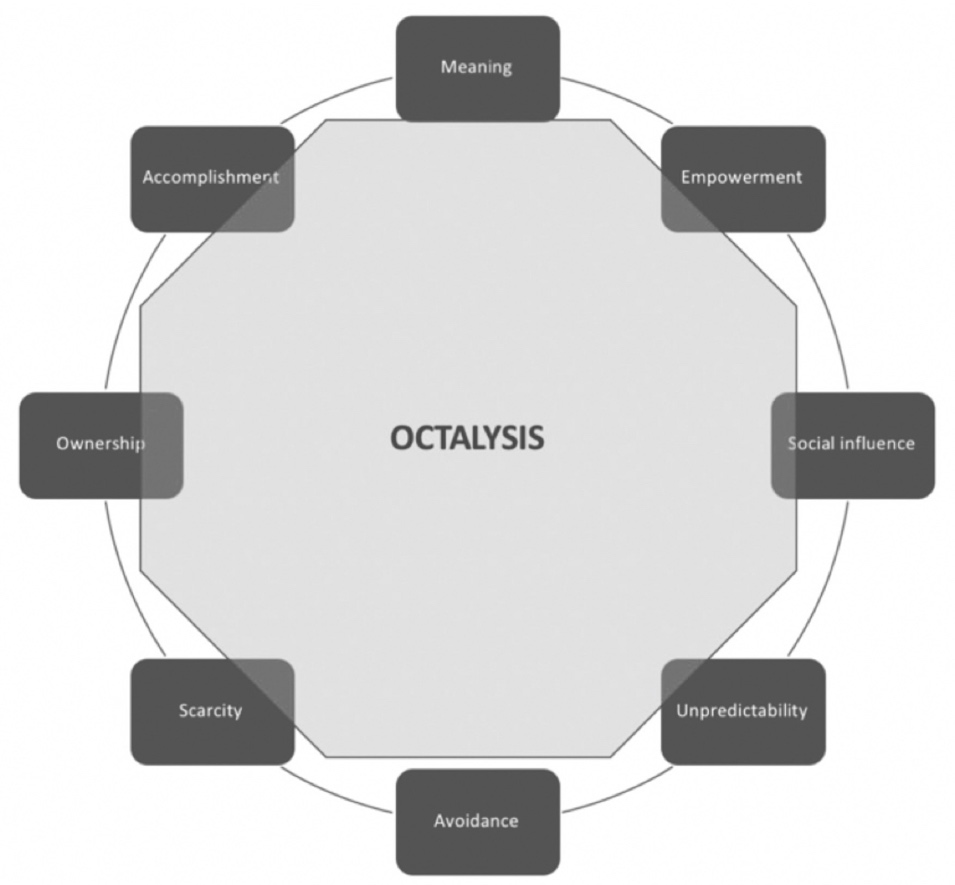
Figure 1. The Octalysis Framework (cf. Chou, 2016)
The Octalysis Framework is a tool to help decipher all the motivational Core Drives and can be used in the classroom to understand how to engineer and design for motivation within a particular classroom setting, and to transform activities into meaningful and enriching experiences. If there are no Core Drives behind a Desired Action, even within classroom practices, there is no motivation and therefore no behavioural changes occur (cf. Chou, 2016).
Upon closer examination of these 8 Core Drives, the first Core Drive is known as Core Drive 1: Epic Meaning & Calling. It is the drive where people are motivated because they believe that they are engaged in something bigger than themselves and that they are doing something greater than themselves. It also accounts for the Discovery and Onboarding Phases of the pupil’s journey. These phases include novelty which can be introduced through storytelling. Therefore, we believe that by instilling Epic Meaning & Calling into, and at the start a lesson/unit with a narrative, pupils are given a valid contextualization and reason to why they should actively participate and become engaged in the lesson.
The second Core Drive is known as Core Drive 2: Development & Accomplishment and is the internal drive for making progress, developing skills, achieving mastery and ultimately overcoming challenges (Chou, 2016). A challenging and meaningful task serves as a justification for a badge, trophy or award and it is within this Core Drive that most of the PBLs can be found (cf. idem). Pupils are driven by a sense of growth and a need for accomplishment of targeted goals. It is an enthusiasm generator and leads to a commitment towards learning new skills (cf. Oliveira, 2017).
The third Core Drive is known as Core Drive 3: Empowerment of Creativity & Feedback, is expressed when pupils are engaged in a creative process where they repeatedly work towards hands on problem solving (Cruz & Orange, 2016). Teachers should be urged to create a classroom set up where pupils are given a goal, different didactic strategies are used, and a variety of multisensorial tools are offered.
The fourth Core Drive is known as Core Drive 4: Ownership & Possession and is when pupils are motivated because they feel that they own or control something, such as a process or a project. When ownership is felt, they innately want to increase, improve and even obtain more (cf. Chou, 2016). This Core Drive also provides emotional comfort and has an ability to instil a sense of well-being and belonging to a society and cultural environment (cf. Oliveira, 2017).
The fifth Core Drive is known as Core Drive 5: Social Influence & Relatedness and it incorporates all the social elements which motivate people, namely mentorship, social acceptance, social feedback, companionship and even competition and envy (cf. Chou, 2016; Oliveira, 2017). In education, it can serve as one of the strongest and long-lasting motivations for pupils to become connected and engaged. By implementing an interesting dynamic between Core Drive 1: Epic Meaning & Calling and Core Drive 5: Social Influence & Relatedness, one can help to develop group and team relationships as well as collaborative and leadership practices (Oliveira, 2017).
The sixth Core Drive is known as Core Drive 6: Scarcity & Impatience, which is the longing for something, simply because it is extremely rare, exclusive or immediately unattainable and because it is so difficult to obtain, its perceived value increases immensely (Chou, 2016). This can be plugged into Csíkszentmihályi’s Flow Theory (2008) which indicates that Flow is an optimal psychological state that people experience when engaged in an activity that is both appropriately challenging to one’s skill level, often resulting in immersion and concentrated focus on a task. Therefore, the difficulty of the challenge must increase along with the skill set of the user (Chou, 2016), i.e., too much challenge leads to anxiety and too little challenge leads to boredom (cf. Oliveira, 2017).
The seventh Core Drive is Core Drive 7: Unpredictability & Curiosity represents the main force behind our infatuation with experiences that are uncertain and involve chance (Chou, 2016). Unpredictability entails constant engagement as one does not know what will happen next, our brain starts to pay attention to the unexpected. By introducing African Oral and Ubuntu Storytelling, for example, one can help to create excitement, anticipation, add suspense and curiosity (cf. Oliveira, 2017).
The eighth Core Drive is known as Core Drive 8: Loss & Avoidance and it is the motivation to avoid something negative from happening (Chou, 2016). In the virtual world, it is the staying alive in order to advance to the next round, having died or contracted injury, players are faced with a setback and are forced to restart or lose something significant, such as coins, rewards, or playing lives. Within the classroom walls, it is through proactively involved experiences that pupils can avoid negative outcomes (Oliveira, 2017).
Subsequently, by having focused on the 8 Core Drives found in the Octalysis Framework, we have firmly understood that by applying gamification in education, the opportunities for experiential, self-paced and life-long learning expand exponentially (Duarte & Cruz 2017). Pupils and learners can feel engaged in enjoyable activities and tasks are therefore rewarded with knowledge and skills.
In the following chapter, we will present our project which is focused on Chou’s Octalysis framework.
3. The ‘Kwesukasukela’ Project: Its Design and Results Analysis
The following project was cultivated with the above mentioned aims within an action-research project. The practices illustrate classroom production and performance by focusing on a) an adaptation of a traditional Zulu folktale called “Where Stories Come From” which can help provide a context for meaningful learning; b) Web 2.0 applications for collaborative learning, namely with the use of a flipped classroom strategy, a digital platform questionnaire and a classroom quest; c) creative and (hyper)sensory tasks which helped to develop critical reflection.
The chosen methodological approach was qualitative, as it implied classroom observation of behaviours and reactions. The proposed research questions were: a) can Ubuntu storytelling foster the development of 21st century skills? b) can the intermingling of gamified tasks with oral traditional storytelling aid in pupils’ development?
These practices took place with a group of English primary learning pupils, consisting of 24 pupils from the Oporto, Portugal area. These pupils were attending the 4th grade where the English language is integrated into their obligatory curriculum. They had 3 blocks of 45-minute lessons per week. This unit was planned for 6 sessions.
The main focus and topics were “family”, “animals”, “homes” and “parts of the town”. An adapted traditional Zulu folktale known as “Where Stories Come From” was used as the main resource. Gamified tasks based on a flipped classroom strategy and the digital platform, “Plickers”, formed the basis for a comprehension questionnaire. The integration of mind maps activated the problem-solving tasks. Collaborative and creative skills were induced by town planning activities. Pupils were hereafter taken on a collaborative classroom quest.
The study included a pre-questionnaire with the functional aim of understanding the project’s learner types and assessing their preferable learning styles. Other data collection tools included self-assessment questionnaires and project work.
Results of the pre-questionnaire gave us the following representations: a) 15% of the pupils preferred working alone, whereas 85% preferred working with their peers; b) 90% have already played board games, whereas 10% have played “Kahoot!”; c) an equally balanced 50% enjoyed storytelling, while 50% preferred reading on their own; d) 15% of the pupils favoured solving tasks individually, whereas 85% preferred solving tasks collaboratively.
In order to give primary focus on and offer a cultural awareness experience, in the first session, pupils were introduced to a flipped classroom strategy. They were divided into groups of three and given a website link including typical villages and housing in South Africa. By using their handheld devices, pupils needed to find three images of their assigned village. The findings of this collaborated project development task, culminated in a slideshow presentation of their chosen traditional homes and communal villages, which then served for discussion. Hereon, pupils were able to make comparisons and find similarities between South African and Portuguese homes.
According to Chou (2016), these practices and strategies can fall under the motivational Core Drive known as, Core Drive 3: Empowerment of Creativity & Feedback. The flipped classroom strategy helped to create onbounding creativity experiences (Chou, 2016) by offering pupils more autonomy and more control over their own creative processes (Oliveira, 2017).
In the second session, as a pre-story activity, preparation for storytelling was established by pupils being presented with different types of realia. These objects were samples of lexical items to be encountered in the story and helped pupils to familiarise themselves with the story’s characters. The realia was accompanied by gestures and mime to stimulate the body senses and help to facilitate communication, understanding, participation, as well as to make the vocabulary more memorable. Having acquired newly learned vocabulary and actively participated in kinaesthetic activities, the teacher interactively presented the adapted traditional Zulu folktale to pupils.
“Where Stories Come From” is an adaptation of a traditional Zulu folktale that originally infers a clear life lesson throughout the entire story, implying that nothing is achieved in life without hard work and effort. Mother Manzandaba, the main character of the story, finds her own stories to tell her children through the fruits of her effort.
An interactive whiteboard and the “Calameo” publishing platform were used for the story’s presentation1. In this way, pupils could listen to/read the story as a whole-class activity. In order to help ensure total physical response, they were asked to mime and gesture when they heard and identified the pre-taught vocabulary. The teacher asked convenient ‘cliff-hanger’ questions and deliberate concept check type questions, which were used to aid in prediction skills and to help contribute towards pupil’s engagement (cf. Duarte & Cruz, 2017). According to Chou’s (2016) Octalysis, these practices are the motivators found within Core Drive 5: Social Influence & Relatedness, Core Drive 6: Scarcity & Impatience and Core Drive 7: Unpredictability & Curiosity.
In order to further assess pupil’s understanding and comprehension a digital platform was used. A “Plickers” questionnaire was applied. This is a simple tool to help teachers collect real-time formative assessment data without the need of technological devices (Duarte & Cruz, 2017). This digital resource can catalyse curiosity from an inert learner, as it increases their potential skill and concept acquisition, thereby, making it an effective classroom tool (Figure 2).
By intertwining technology with oral traditional storytelling, we can encounter Core Drive 2: Development & Accomplishment and the Core Drive, Core Drive 7: Unpredictability & Curiosity.
The third session was the retelling of the story and the reactivation of vocabulary. Story retelling drills are a teacher’s reassurance that pupils have properly understood the story and it also gives them the opportunity to review, revive and rehearse the story and storyline. Pupils were then introduced to a “story map” which is a technique based on memory, creativity, comprehension and understanding (see Figure 3). When a pupil uses a mind map (the story map, for example), they are using their brain in the way it was designed to be used, and this aids in all learning and cognitive skills (Oliveira, 2017). Hence, pupils are actively solving problems while performing a critical reflective task.
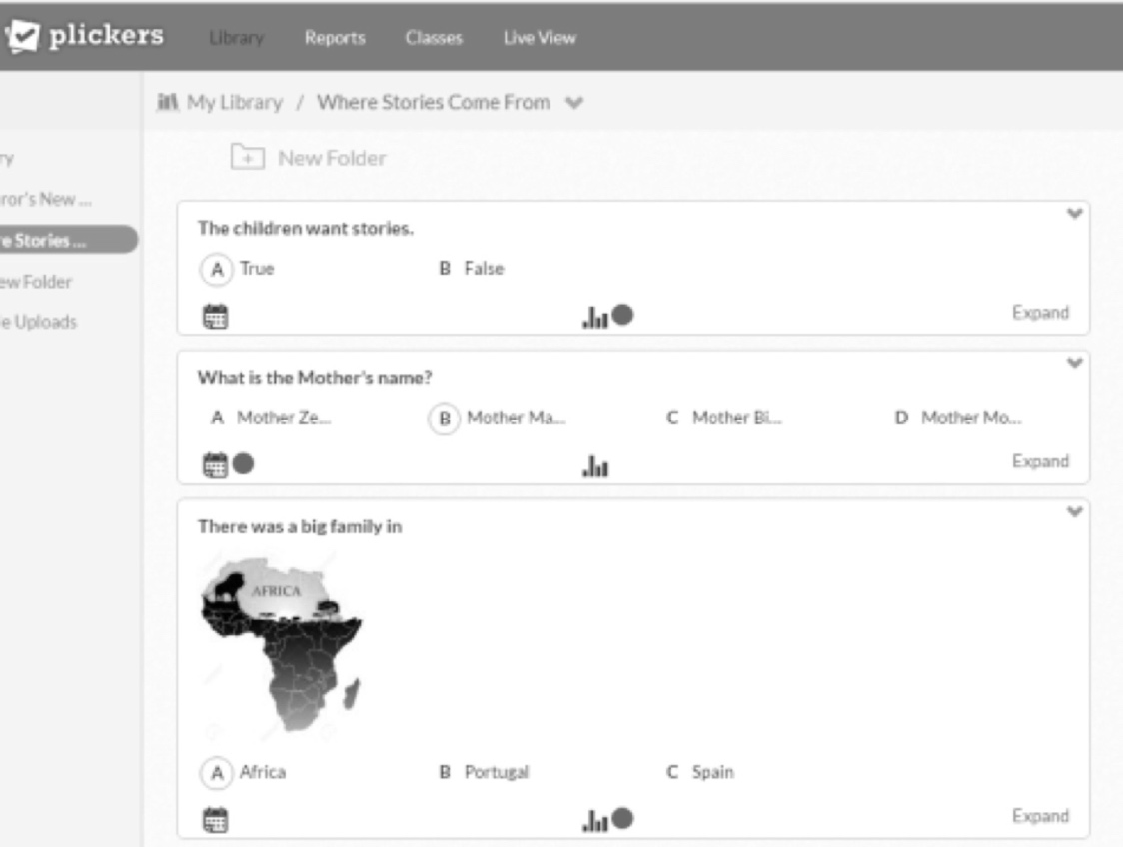
Figure 2. Plickers’ Comprehension Exercises
Understanding that the important 21st century skills can be stimulated by using authentic material, which can urge pupils into inquiring and solving problem-situations, we also believe that within the Ubuntu storytelling’s scope, the use of story maps and problem-solving tasks can also be neatly tucked into the Octalysis’ framework (Oliveira, 2017). We can encounter: Core Drive 1: Epic Meaning & Calling, Core Drive 2: Development & Accomplishment and Core Drive 3: Empowerment of Creativity & Feedback.
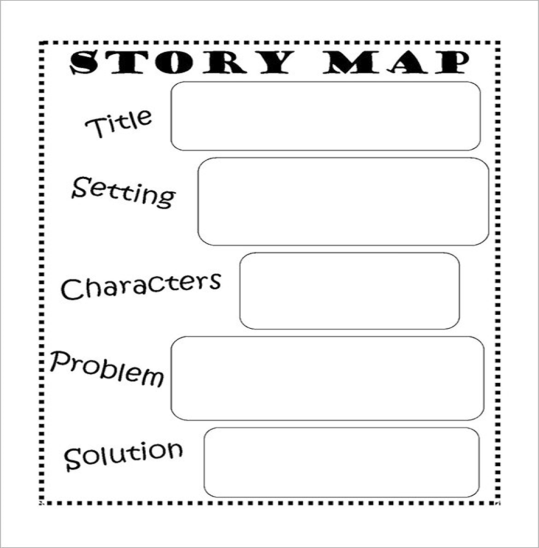
Figure 3. Story Map
In the fourth session, pupils were challenged to act as town planners. They would have to draw a town map and give it a name. The proposed activity was completed collaboratively, in small groups. In this way, by providing for social-learning environments, allowed pupils to see and accept other’s points of view (Figure 4).
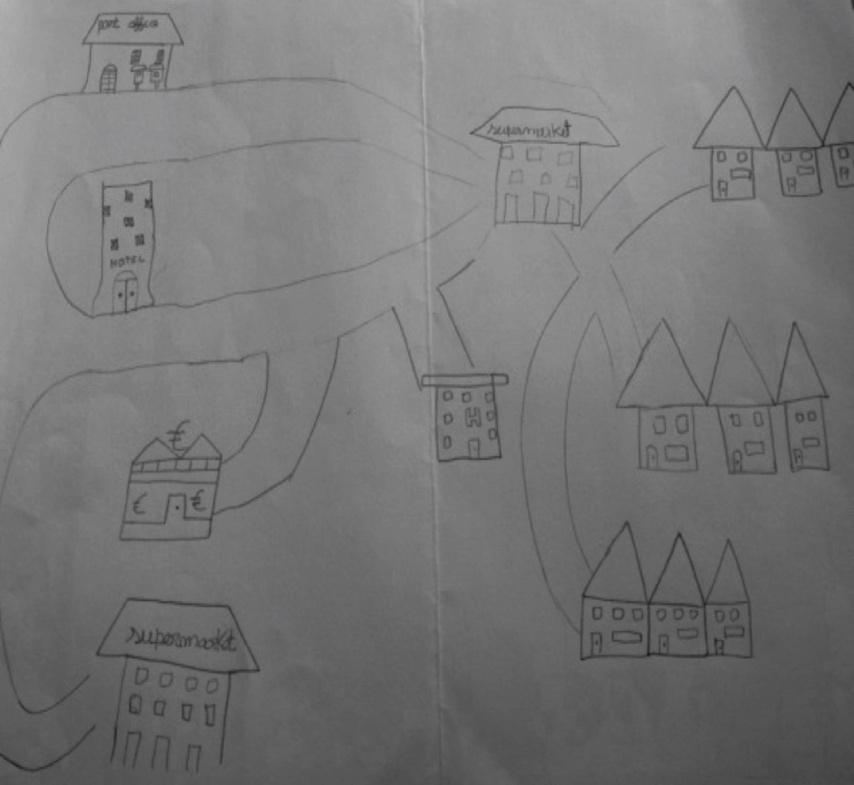
Figure 4. Example of a town plan created by pupils
Collaborative learning offers encouragement, creates diversity awareness, embraces shared knowledge, builds self-esteem and develops an overall positive attitude, which may serve as elements to actively involve pupils in the learning process. In accordance with Chou’s (2016) Octalysis Framework and taking the town planning activity into consideration, we were able to ascertain at least six Core Drives: Core Drive 5: Social Influence & Relatedness, Core Drive 3: Empowerment of Creativity, Core Drive 7: Unpredictability & Curiosity, Core Drive 2: Development & Accomplishment and finally Core Drive 1: Epic Meaning & Calling.
The final session was set up for a Classroom Quest in order for pupils to consolidate knowledge and revise previously learnt items. This quest was prepared on the notion that games create engagement. Here game mechanics and game design helped to engage and motivate the pupils (Figure 5).
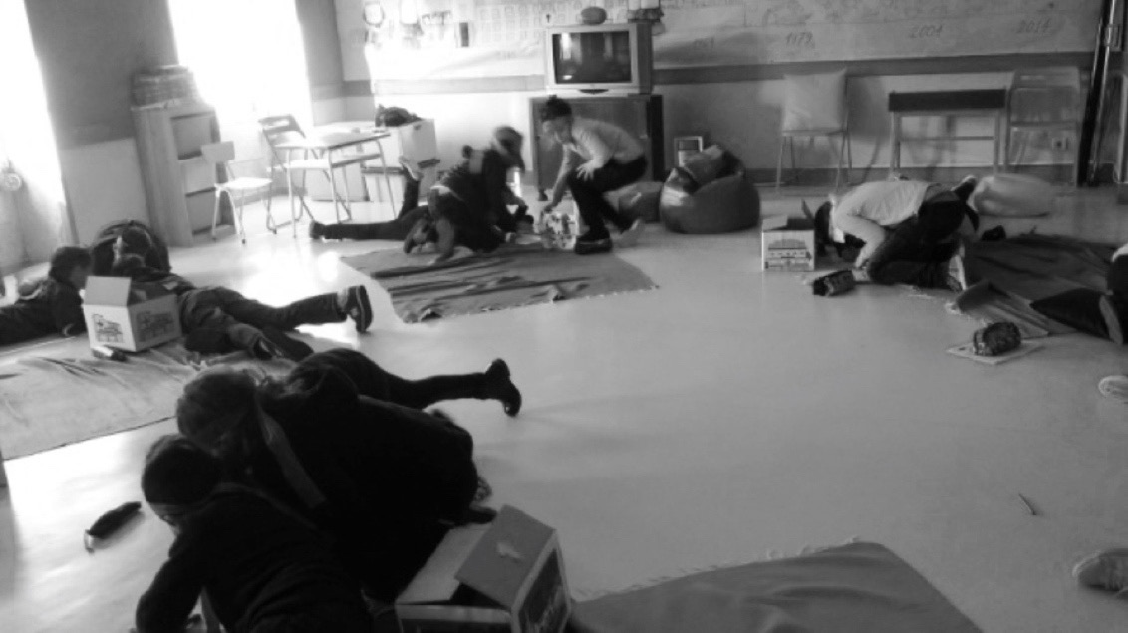
Figure 5. Classroom Quest and Collaborative tasks
Throughout the quest pupils worked in teams to complete different tasks. As they progressed they earned points which were awarded upon the task’s completion and for winning competitions and other challenges. A leaderboard showed which pupils were ahead and it also served as a motivator (Figure 6).
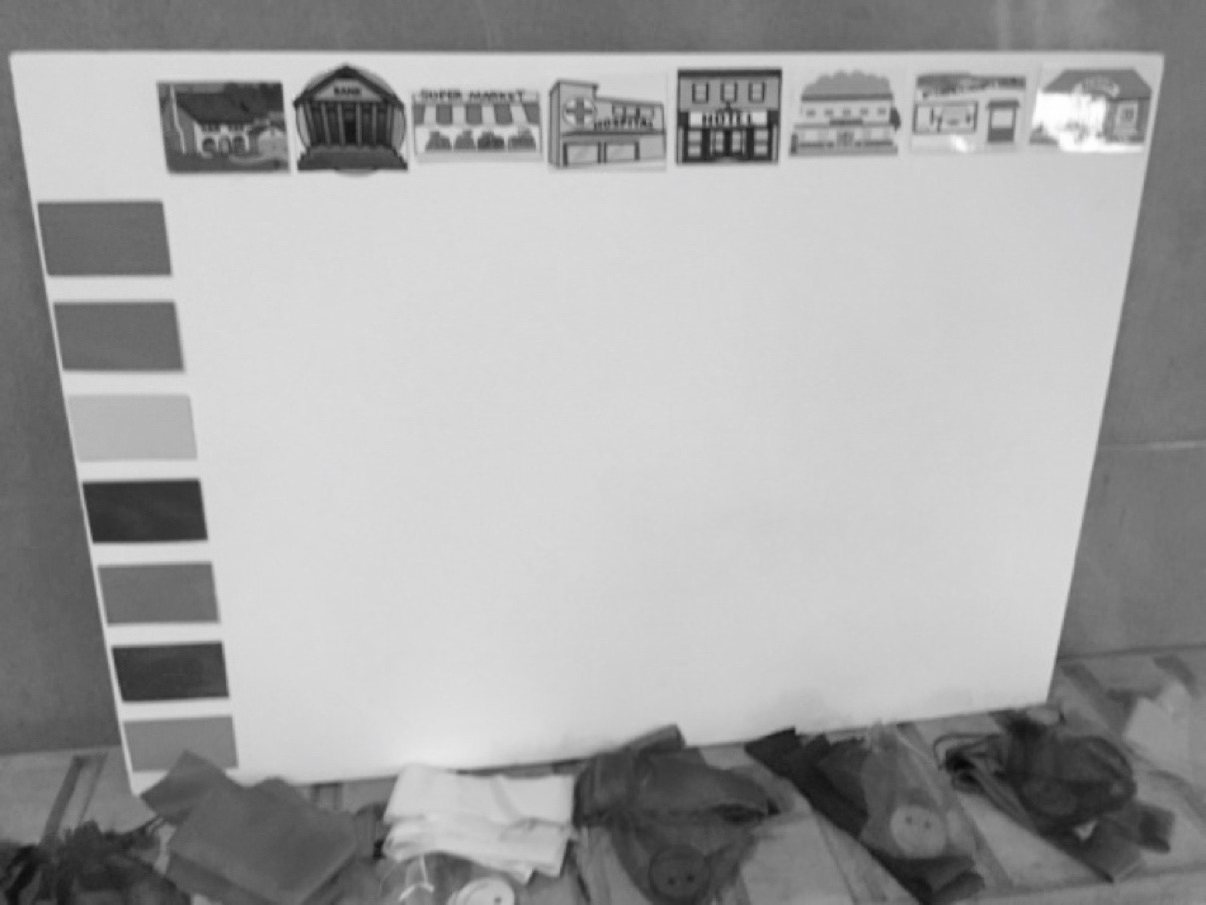
Figure 6. Leaderboard
It was within this Classroom Quest that we were able to ascertain all of the eight motivational Core Drives in Chou’s (2016) Octalysis Framework. We have Core Drive 5: Social Influence & Relatedness, Core Drive 2: Development & Accomplishment, Core Drive 3: Empowerment of Creativity, Core Drive 4: Ownership & Possession, Core Drive 7: Unpredictability & Curiosity, Core Drive 6: Scarcity & Impatience, Core Drive 8: Loss & Avoidance and ultimately Core Drive 1: Epic Meaning & Calling.
We finalized our sessions with a self-assessment questionnaire (Figure 7), in which pupils answered by: a) using the thumbs up/thumbs down strategy; b) giving examples of what they had learned; c) writing a short composition about the solution to the story’s problem.
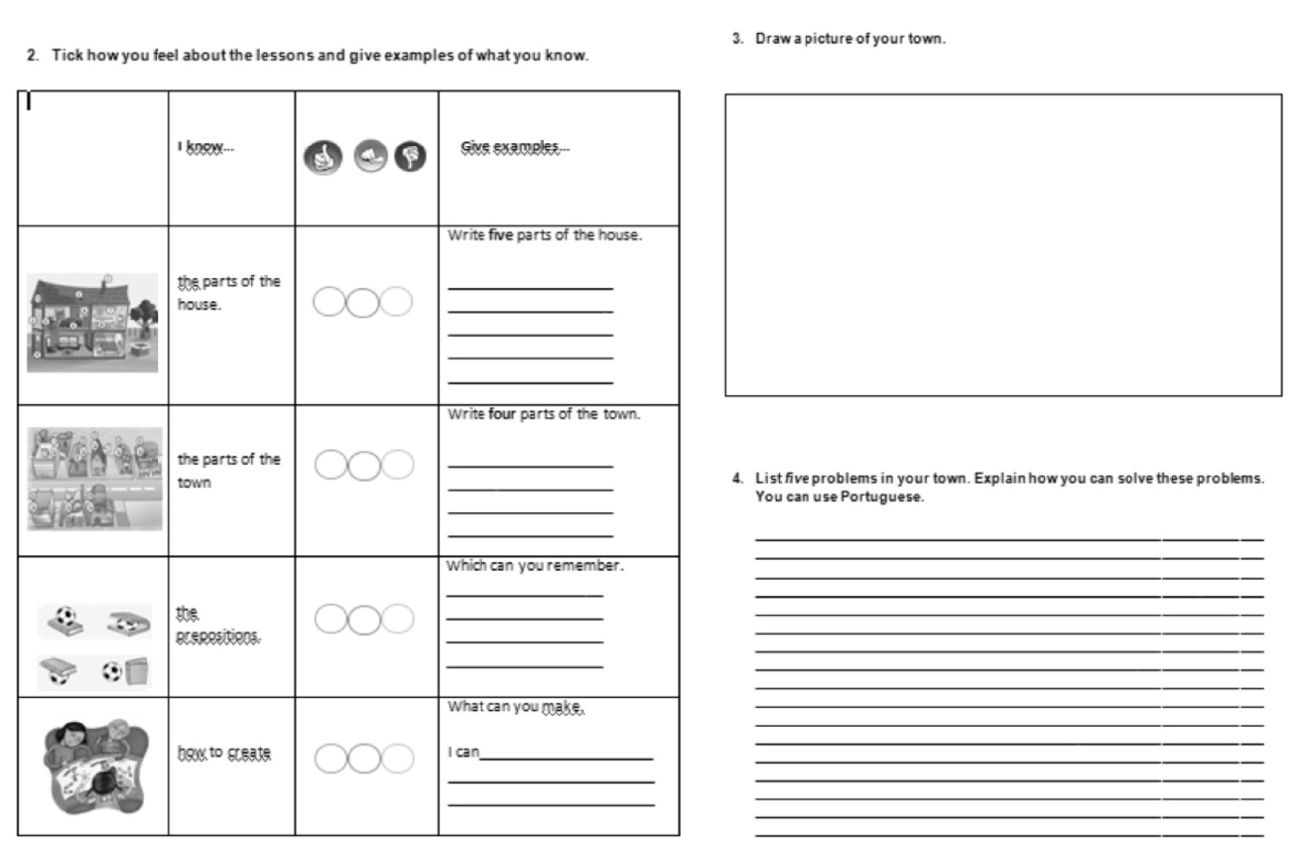
Figure 7. Self-Assessment Questionnaire
Results show that 85% of pupils were able to properly answer each question in section 2, i.e., they were able to account for examples for each of the objectives included in the questionnaire. Therefore, we may say that the proposed gamified tasks worked in terms of language acquisition. With this self-assessment questionnaire, we were able to verify our pupils’ preferences in relation to the sessions (see Figure 8). The majority of our pupils favoured the Classroom Quest. In fact, 61% had a greater predisposition towards these types of activities. The research and use of technological devices represented 20% of our pupil’s preferences. Storytelling was followed closely behind with a margin of 18%. Creative Town Planning was preferred by 15% and activities which involved Singing and Chanting occupied 6% of our pupils’ preferences.
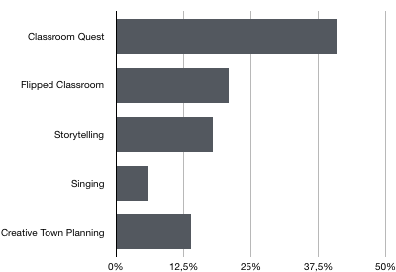
Figure 8. Self-assessment likes and dislikes
In the analysis of our pupils’ initial questionnaire results, we were able to ascertain that our pupils had already encountered traditional games, yet there seemed to be very little exposure to technological devices or technology as a means and resource in the classroom. There is also an emergence in relation to analogic gamification that appears be as stimulating and motivating because it involves kinaesthetically related problem solving and creativity tasks (Oliveira, 2017). We are able to affirm that this type of multisensory learning can cater for different pupil’s learning needs, by providing themwith multiple ways of learning and offering them a chance of succeeding, therefore giving pupils the opportunity to learn through experience (cf. Duarte & Cruz, 2017; Cruz & Orange, 2016).
Conclusions
Ubuntu oral traditional stories can help to provide a context for meaningful learning, which consequently may foster an enlarged predisposition to communicate due to a prior exposition to cultural and linguistic varieties, such as in which South African stories entail.
It is within our understanding that educating in the 21st Century is the considering of an interconnected society, where communication continues to play a predominant role. With the intermingling of Ubuntu storytelling and gamified classroom tasks, we have been able to observe the following findings: a) interactive and gamified storytelling allows for a better comprehension of the story and its elements; b) reflection throughout the whole process (pre-reading/reading/post-reading) plays an important role in the learning process; and c) gamified activities may work as a springboard for the development of pupils’ critical thinking skills and creativity.
References
AEL-Association for Experiential Learning (2016). What is experiential learning? Retrieved from http://www.aee.org/what-is-ee.
Arslan, K. (2009). Multisensory learning and the future of learning. Ezine Articles. Retrieved from http://ezinearticles.com/?Multisensory-Learning-and-the-Future-of-Teaching&id=4077370.
Chou, Y. (2016). Actionable Gamification: Beyond points, badges and Leaderboards. London: Leanpub.
Cruz, M. (2011). Consciência cultural crítica numa comunidade virtual educativa de línguas. Aveiro: Universidade de Aveiro.
Cruz, M.; Orange, E. (2016). 21st Century Skills in the Teaching of Foreign Languages at Primary and Secondary Schools. TOJET: The Turkish Online Journal of Educational Technology, Special Number, 1-12.
Csíkszentmihályi, M. (2008). Flow: The psychology of optimal experience. New York: Harper Perennial.
Duarte, S.; Cruz, M. (2017). From and beyond gamified activities in Primary English learning. Retrieved from https://www.academia.edu/33418683/From_and_beyond_gamified_activities_in_Primary_English_Learning.
Fernández-Corbacho, A. (2014). Aprender una segunda lengua desde un enfoque comunicativo experiencial. Programa de Desarrollo Profesional. Madrid: Editoral Edinumen.
Foncubierta, J.; Rodríguez, C. (2015). Didáctica de la gamificación en la clase de español. Programa de Desarrollo Profisional. Madrid: Editorial Edinumen.
Gbadesgesin, S. (1984). Destiny, personality and the ultimate reality of human existence. Ultimate Reality and Meaning, 7 (3), 173-188. Retrieved from http://afsaap.org.au/assets/Kudakwashe_Tuwe_AFSAAP2015.pdf.
Kapp, K. (2012). The Gamification of Learning and Instruction: Game-Based Methods and Strategies for Training and Education. San Fransisco, CA: John Wiley & Sons.
Knutson, S. (2015). Experiential Learning in Second Language Classrooms. TESL CANADA, 20(2). Retrieved from https://www.researchgate.net/publication/265063997_Experiential_Learning_in_Second-Language_Classrooms.
Minigan, A, (2017). The Importance of Curiosity and Questions in 21st-Century Learning. Retrieved from http://blogs.edweek.org/edweek/global_learning/2017/05/the_5th_c_curiosity_questions_and_the_4_cs.html?cmp=soc-twitter-shr.
Mucina, D. (2011). Story as Research Methodology. Victoria, Canada: University of Victoria.
Nomlomo, V; Zilungile, S (2016). Indigenous Knowledge Systems and Early Literacy Development: An Analysis of IsiXhosa and IsiZulu Traditional Children’s Folktales and Songs Kamla-Raj 2016, Stud Tribes Tribals, 14(2), pp. 110-120.
P21-The Partnership for 21st Century Learning (2015). P21 Framework Definitions. Retrieved from http://www.p21.org/about-us/p21-framework.
Ohler, J. (2013). Digital Storytelling in the Classroom. New Media Pathways to Literacy, Learning and Creativity. London: SAGE Publications.
Oliveira, S. (2017). The UBUNTUfication of a 21st Century Transformative Primary English Classroom. Retrieved from http://recipp.ipp.pt/handle/10400.22/10789
Shams, L., & Seitz, A. (2008). Benefits of multisensory learning. TICs, 721. Retrieved from http://faculty.ucr.edu/~aseitz/pubs/Shams_Seitz08.pdf.
Varty, B. (2013). I am, because of you. Retrieved from https://www.ted.com/talks/boyd_varty_what_i_learned_from_nelson_mandela?language=en.
Notes