Artigos
Bibliometric Study on Spirituality in Organizations: An Overview of the Field
Estudo Bibliométrico sobre Espiritualidade nas Organizações: Panorama do Campo
Estudio Bibliométrico Sobre Espiritualidad en las Organizaciones: Descripción General del Campo
Bibliometric Study on Spirituality in Organizations: An Overview of the Field
Administração Pública e Gestão Social, vol. 14, núm. 4, 2022
Universidade Federal de Viçosa

Esta obra está bajo una Licencia Creative Commons Atribución-NoComercial-SinDerivar 4.0 Internacional.
Recepción: 09 Febrero 2022
Aprobación: 16 Mayo 2022
Publicación: 17 Noviembre 2022
Abstract:
Research Aim: This article carries out a bibliometric study on the topic Spirituality in Organizations of all articles in Web of Science until 2021.
Theoretical Framework: Quantitative bibliometric analysis of the published literature on spirituality in organizations.
Methodology: Based on a theoretical survey supported by the bibliometrics technique, we delve into the main authors and journals in the area and provide some suggestions for future development.
Results: Among the themes interwoven with spirituality in organizations, some worth highlighting are leadership, the work environment, individual and organizational values, and performance. Spirituality should not be reduced to economic and financial issues, since its nature goes beyond material aspects. Although the topic of spirituality arose in the 1920s, there are still major challenges in the field. In light of the rapid changes in the world, whether in terms of technology, public health, or the pandemic, the rewards from a spiritual attitude seem to surpass its drawbacks. Furthermore, despite the close connection between spirituality and religion, the former is not restricted to the latter. There is a richer field of potential development, especially within the willingness to achieve individual and collective well-being, that positively impacts employee performance. This concept seems to be in line with the ultimate goal of modern organizational management.
Originality: Spirituality in organizations is still a relatively new topic in management literature, as this article shows. Few bibliometric studies were conducted on the subject, which makes this article original in its objective. In addition, it contributes to the discussion of spirituality in the organizational context by breaking away from the instrumental view of spirituality as a means to improve organizational performance; by conceptualizing the individual as a holistic being in order to overcome the dualistic approach to the mind-body relation; by understanding the workplace not only as a place for the body; and by analyzing spirituality in organizational contexts other than just business.
Theoretical and Practical Contributions: Despite the topic’s recent growth, spirituality in organizations still presents great challenges due to its inherent nature. A closer look at what has been achieved so far in the field of spirituality in organizations shows the benefit of learning from the past, as well as reflecting on the future.
Keywords: Spirituality, Leadership, work environment, values.
Resumo:
Objetivo da Pesquisa: Este artigo realiza um estudo bibliomérico sobre o tema Espiritualidade nas Organizações, de todos os artigos no Web of Science até 2021.
Enquadramento Teórico: Análise bibliométrica quantitativa sobre produção de literatura a respeito da espiritualidade nas organizações.
Metodologia: A partir de um levantamento teórico subsidiado pela técnica da bibliometria, aprofundamos os principais autores e periódicos da área e oferecemos algumas sugestões para desenvolvimento de estudos futuros.
Resultados: Dentre os temas articulados com a espiritualidade nas organizações, alguns que merecem destaque são a liderança, o ambiente de trabalho, os valores individuais e organizacionais e o desempenho. A espiritualidade não deve se restringir às questões econômicas e financeiras, pois sua natureza vai além dos aspectos materiais. Embora o tema da espiritualidade tenha começado na década de 1920, ainda existem grandes desafios no campo. Considerando as rápidas mudanças no mundo, seja em termos de tecnologia, saúde pública ou pandemia, as recompensas parecem superar as dificuldades. Além disso, apesar da estreita ligação entre espiritualidade e religião, a primeira não se restringe à segunda. Parece haver um campo de desenvolvimento mais rico, principalmente na vontade de alcançar o bem-estar individual e coletivo, que impacta positivamente no desempenho de todos. Esse conceito parece ser o objetivo final da gestão organizacional moderna.
Originalidade: A espiritualidade nas organizações ainda é um tema relativamente novo na literatura de administração, como pode ser visto neste artigo. Poucos estudos bibliométricos foram produzidos sobre o tema, o que torna este artigo original em seu objetivo. Além disso, contribui para a discussão da espiritualidade no contexto organizacional ao romper com a visão instrumental da espiritualidade como um meio de aumentar o desempenho organizacional; ao conceituar o indivíduo como um ser holístico com o intuito de superar a abordagem dualista da relação mente-corpo; ao reconhecer o local de trabalho como algo mais do que um lugar para o corpo; e ao considerar a espiritualidade também em contextos organizacionais não-empresariais.
Contribuições Teóricas e Práticas: Apesar do recente crescimento do tema, a espiritualidade nas organizações ainda apresenta grandes desafios devido a sua natureza inerente. Um olhar mais atento ao que foi alcançado até agora no campo da espiritualidade nas organizações mostra a positividade de aprender com o passado, além de refletir sobre o futuro.
Palavras-chave: Espiritualidade, Liderança, Ambiente de trabalho, Valores.
Resumen:
Objetivo de la investigación: Este artículo realiza un estudio bibliométrico sobre el tema Espiritualidad en las Organizaciones, de todos los artículos en Web of Science hasta 2021.
Marco Teórico: Análisis bibliométrico cuantitativo sobre la producción de literatura sobre espiritualidad en las organizaciones.
Metodología: A partir de un levantamiento teórico apoyado en la técnica de la bibliometría, profundizamos en los principales autores y revistas del área y damos algunas sugerencias para el desarrollo futuro.
Resultados: Entre los temas articulados con la espiritualidad en las organizaciones, cabe destacar el liderazgo, el clima laboral, los valores tanto individuales como organizacionales y el desempeño. La espiritualidad no debe limitarse a cuestiones económicas y financieras, ya que su naturaleza va más allá de los aspectos materiales. Aunque el tema de la espiritualidad se inició en la década de 1920, todavía existen grandes desafíos en el campo. Teniendo en cuenta los rápidos cambios en el mundo, ya sea en términos de tecnología, salud pública o la pandemia, las recompensas parecen superar las dificultades. Además, a pesar de la estrecha conexión entre espiritualidad y religión, la primera no se limita a la segunda. Parece haber un campo de desarrollo más rico, especialmente dentro de la voluntad de lograr el bienestar individual y colectivo, que impacta positivamente en el desempeño de todos. Este concepto parece ser el objetivo final de la gestión organizacional moderna.
Originalidad: La espiritualidad en las organizaciones es todavía un tema relativamente nuevo en la literatura de gestión, como se puede ver en este artículo. Se produjeron pocos estudios bibliométricos sobre el tema, lo que hace que este artículo sea original en su objetivo. Además, contribuye al debate sobre la espiritualidad en el contexto organizativo al romper con la visión instrumental de la espiritualidad como medio para aumentar el rendimiento de la organización; al conceptualizar al individuo como un ser holístico para superar el enfoque dualista de la relación mente-cuerpo; al reconocer el lugar de trabajo como algo más que un lugar para el cuerpo; y al considerar la espiritualidad también en contextos organizativos no empresariales.
Aportes Teóricos y Prácticos: A pesar del reciente crecimiento del tema, la espiritualidad en las organizaciones aún presenta grandes desafíos debido a su naturaleza inherente. Una mirada más cercana a lo que se ha logrado hasta ahora en el campo de la espiritualidad en las organizaciones muestra la posibilidad de aprender del pasado, así como reflexionar sobre el futuro.
Palabras clave: Espiritualidad, Liderazgo, Clima laboral, Valores.
1 INTRODUCTION
Due to the social and technological changes that recently have taken place, as well as public health difficulties (such as the pandemic of Covid-19), spirituality has become a more widely accepted topic in academia, whether within health-related fields or within industrial and economic-financial organizations. Thus, spirituality in the workplace has become a topic of significant investigation in the field of organizational behavior (Benefiel, Fry, & Geigle, 2014; Dreyer & Hermans, 2014; Mousa, 2020; Rocha & Pinheiro, 2021). Although the workplace spirituality movement started in the early 1920s, it has gained momentum from the late 1990s onwards, with the spread of a growing desire among employees to find meaning and purpose at work (sensemaking, not just financial rewards). Indeed, the spiritual approach to work recognizes this fact; it considers that the soul and spirit of employees at work are as involved as their hands and minds (Ashmos & Duchon, 2000). As such, the promotion of spirituality in the workplace was received steadfastly by leaders from around the world (Pandey, 2017). Thus, organizations that actively encourage spirituality reported its positive impact on the well-being of employees (Hawley & Hawley, 1993), on the performance of the work unit (Duchon & Plowman, 2005), on organizational performance (Fry & Matherly, 2006; Petchsawang & Duchon, 2012), as well as other further benefits.
While the theme has been addressed mainly in the United States (Freshman, 1999; Ashmos & Duchon, 2000; Brown, 2003; Giacalone & Jurkiewicz, 2003), its discussion has spread to other countries as well. Thus, the discussions of Ashmos and Duchon (2000), Duchon and Plowman (2005), and Milliman, Czaplewski and Ferguson (2003) help us structure a possible definition that supports this investigation, conceptualizing spirituality as the possibility of carrying out meaningful work within organizations.
This study sought to analyze the state of the art on the topic of spirituality by searching the Web of Science database with the aid of the VOSviewer tool. Our results can help researchers to define their study path and serve as a guide to the reference publications that ought to be considered in their productions. This contributes to a better critical development of the field, as it values not only past studies, but also opens new paths of opportunities for the future. In addition, spirituality can be treated in a broader and less instrumental way; this allows for the necessary insights and inspirations that aid in achieving a difficult balance between different objectives for different stakeholders. This, in turn, collaborates with a management capable of facing situations of complexity and volatility in the different (internal and external) environments of organizations. Another point to note is the methodology of the study, whose theme, albeit outside the mainstream, highlights the increasingly growing use of bibliometric tools.
This article is structured as follows: chapter 2 addresses the theory of spirituality in organizations; chapter 3 reports the methodological aspects, taking into consideration the database and the terms used; chapter 4 points out the analysis of the results; and, finally, chapter 5 deals with the concluding remarks followed by the references.
2 SPIRITUALITY IN ORGANIZATIONS
Spirituality can be considered a central element in humanity and in the constitution of work, as a means to achieve harmony, motivation, balance, enthusiasm, and coping strategies for the different daily situations in an organization. The construct of spirituality in the workplace has recently become a significant research topic in the field of organizational behavior (Benefiel et al. 2014; Dreyer & Hermans, 2014; Mousa, 2020; Kuchinka, 2021)). Although spiritual ideas and beliefs have existed for centuries, acting as centerpieces in shaping social value systems around the world, they are still considered alternative paradigms, especially when discussing organizational behavior (Rupcic, 2017). Organizations that actively encourage spirituality in the workplace have reported its positive impact on employee well-being (Hawley & Hawley, 1993; Mukherjee & Singha, 2019; Saiz et al. 2020), on the performance of the work unit (Duchon & Plowman, 2005), and on organizational performance (Fry & Matherly, 2006; Petchsawang & Duchon, 2012; Srivastava & Madan, 2022).
Due to the abstract, complex, and multifaceted nature of spirituality in the workplace, scholars find it difficult to restrict it to a single definition (Milliman, Czaplewski, & Ferguson, 2003; Bouckaert & Zsolnai, 2012). Therefore, more than 70 definitions of spirituality in the workplace have been offered thus far (Markow & Klenke, 2005). Campesino (2006) and Newlin, Knafl and Melkus (2002) indicate that the definitions of spirituality found in the scientific literature still present the conceptual bias of each researcher; even though they may share the same cultural and social experience, they may have different ways of understanding spirituality (Koenig, 2008).
The definitions of spirituality receive different emphases according to the theoretical perspective and overarching objectives of each study. For example, the definition by Koenig and Larson (2001) has been one of the most accepted, as it conceptualizes spirituality as a personal search for understanding related to larger existential issues (for example, the meaning of life or death) and their relationship with the sacred and/or transcendent. This concept of spirituality may lead to the development of religious practices or the formation of religious communities, but not necessarily so.
It should also be noted that, despite significant overlaps between spirituality and religion, the two concepts are fundamentally distinct. Koenig and Larson (2001) and Levin (2001), for example, highlight that religion is generally seen from a perspective more focused on the precepts of a formal, observable, and objective community or institution, while spirituality is considered individualistic, less visible, more subjective, less formal, and emotionally-oriented. For Dubey Pathak and Sahu (2020), spirituality represents a broader term than religiosity. As such, being spiritual does not signal, a priori, any type of religion. Therefore, an organization that defends spirituality does not indicate that it pressures people to adhere to any type of religious belief or practice. A possible implication of this discussion within the context of organizations is that workers might have spiritual needs; they might wish to experience the dimension of purpose or meaning at work; and might need connections with the working community (Rego, Pinha e Cunha, & Souto, 2007; van der Walt & Steyn, 2019). We start from the assumption that spirituality “is related to the spirit, the immaterial part of the human being, intelligence, thought, idea. The word religion, in turn, is defined as a belief in the existence of a supernatural force or forces” (Batista, 2010, p. 51).
For Oliveira and Junges (2012) and Saiz et al. (2020), spirituality is characterized by a fundamentally experiential dimension, while religion is based on the institutional and doctrinal aspect. Furthermore, Koenig and Larson (2001) comment that spirituality refers to an experience of contact with something transcendent to the usual realities of life. One of the central characteristics in spirituality is the cognitive aspect of belief. By definition, beliefs differ from one tradition to another. Some of the spiritual beliefs most frequently found are the existence of a God or a higher power, the existence of life after death, beliefs about the meaning of suffering and death; moreover, beliefs can offer a sense of hope and comfort in hardship.
Studies involving spirituality in organizations are relatively new if compared to other areas in which the effects of individual spirituality can be analyzed in a more specific way, as noted by Moberg (2002), Miller and Thoresen (2003), Geh (2014), Tischler, Biberman and Altman (2007) and Portales (2015). This topic has been approached in multiple ways and from different perspectives (Freshman, 1999; Ashmos & Duchon, 2000; Brown, 2003; Giacalone & Jurkiewicz, 2003). The discussions by Milliman, Ferguson, Trickett and Condemi (1999), Ashmos and Duchon (2000), Duchon and Plowman (2005) and Serrano (2017) on the topic help to structure a possible definition that supports this investigation, bringing spirituality as the possibility of carrying out meaningful work within organizations, in a perspective of having joy and respect for relationships of the inner life and, thus, spreading a spirit of collectivity, harmony, values, and community among the actors that are part of the organization. Despite the still incipient discussion and relatively recent interest in the topic in the Brazilian context, spirituality has gained more space in this process of transformation and has positioned itself as a route of dialogue and construction for future-oriented organizations. The topic has become frequent in the organizational environment by its contributions to several company objectives, causing the creation of a specific area of study at the Academy of Management (Poole, 2009).
Broadly speaking, spirituality in the workplace instills practices permeated by interconnectivity and mutual trust, which are part of a specific work process that subsequently instigate feelings of cooperation and lead to a generally motivation-driven organizational culture, exemplified by positive responses, unanimity, and harmony between individuals. This increases the cumulative performance of individuals and, in turn, fosters organizational excellence as a whole (Hassan, Nadeem, & Akhter, 2016). In this context, spirituality is upcoming as an alternative for workers who try to find ways out of many of these episodes. Ashmos and Duchon (2000) carried out the pioneering empirical study on spirituality in the workplace. They defined it as the recognition that employees have of an inner life that nourishes and is nurtured by meaningful work in the community context. Later, Milliman et al. (2003) modified the dimensions provided by Ashmos and Duchon (2000) and proposed a three-dimensional structure to encapsulate the construction of spirituality in the workplace at three levels. The three dimensions of spirituality in the workplace, listed by Milliman et al. (2003), are: meaningful work (individual level), sense of community (group level), and alignment with organizational values (organizational level).
Meaningful work, the first dimension of spirituality in the workplace, regards the belief that people seek meaning at work. It explains the spirituality of the workplace at the individual level and is described as the experience of employees that their work is an important and significant part of their life (Duchon & Plowman, 2005; Mousa, 2020; Ortiz-Gómez, Ariza-Montes, & Molina-Sánchez, 2020). In other words, it refers to the extent to which employees enjoy their work, feel energized by it, and sense that it gives them personal meaning and purpose (Milliman et al. 2003). It connects employees to the greater good of society and to things that are seen as significant in life (Giacalone & Jurkiewicz, 2003; Kuchinka, 2021).
Sense of community is the second dimension of spirituality in the workplace, which is based on the belief that, as a spiritual being, every individual is connected (Duchon & Plowman, 2005). It explains spirituality in the workplace at the group level and follows the notion that there is some type of relationship between one’s inner self and the inner self of others that keeps them connected to each other. When employees feel part of the community in the workplace, they easily relate to the common goal of the group and support each other (Duchon & Plowman, 2005; Widodo & Suryosukmono, 2021). Having a sense of community in the workplace brings many organizational benefits that are reflected in the form of increased productivity, job satisfaction, organizational citizenship behavior, and organizational commitment (Pawar, 2009; Chawla & Guda, 2010; Gupta, Kumar, & Singh, 2014; Serrano, 2017; Jena, 2021).
The third dimension of spirituality in the workplace is alignment with organizational values, which explains spirituality in the workplace at the organizational level. It refers to the employees’ perception of congruence between their personal values and the organization’s mission and purpose (Milliman et al. 2003). This dimension of spirituality in the workplace explains the importance of being value-oriented for the organization and adopting significant creeds for the organization and society.
Researchers observed that empirical studies on the effects of spirituality in the workplace on organizational results are important (Giacalone & Jurkiewicz, 2003; Serrano, 2017) but still inadequately examined (Milliman et al. 2003; Duchon & Plowman, 2005). There are not many specific studies on how the experience of job satisfaction as a result of organizational spirituality can trigger a better achievement of results (Belwalkar, Belwalkar, Vohra, & Pandey, 2018; Jena, 2021; Kuchinka, 2021).
In another perspective, spirituality is seen as a process of evolution in a business environment, bringing it to a higher level of meaning for its entrepreneurs, employees, and stakeholders, so that people feel the totality of their being. Business spirituality is a process of designing activities (personal or professional) so that they are aligned with the authentic Self, whether of the individual or the company (Nandram, 2016). It could be argued that this even generates a meaning for life itself (Portales, 2015; van der Walt & Steyn, 2019; Widodo & Suryosukmono, 2021).
Gavin and Mason (2004) add that when a workplace is designed and managed to give meaning to its workers, they tend to be healthier and happier. Healthy and happier employees tend to be more productive in the long run, generating better goods and more satisfying services. Similarly, for Guillory (2002), spirituality in the work environment must be understood as the integration between several factors, such as: friendly work climate, creativity, innovation, sensitivity to the environment, high productivity, personal and collective transformation, among others. This integration can be achieved by five fundamental elements: personnel, service, business awareness, wisdom, and the concept of new leadership. Other advantages are found by considering spirituality in organizations, such as: improvement of the organizational climate, environment that stimulates creativity, welcoming and understanding company, integrated and participative leadership, values disseminated, among others (Poole, 2009; Shrestha & Jena, 2021; Widodo & Suryosukmono, 2021).
3 METHODOLOGICAL ASPECTS
This research uses bibliometric analysis to explore the topic of spirituality within the specific framework of the organizational scope. Bibliometric analysis is a study technique that uses the application of statistical methods to determine qualitative and quantitative changes in a given research topic, establishing the profile of publications related to the topic and detecting trends (De Bakker, Groenewegen, & Den Hond, 2005; Donthu, Kumar, Mukherjee, Pandey, & Marc Lim, 2021). For Otlet (1986), it is the defined part of the bibliography that deals with the measure or quantity applied to the book, since the elements considered by the bibliography are, in principle, susceptible to measurement. Bibliometrics aims to describe and quantify written communication (Pritchard, 1969), managing the sources and means of scientific knowledge. For that purpose, one uses observable indicators and parameters that allow statistical treatment, such as, for example, books and journal articles registered in the references.
As the development of a science field is directly related to the expression and significance of its theoretical platforms (Otlet, 1986), it is relevant to know the semantic aspects and respective meanings related to a particular topic.
Bibliometrics is based on two main assumptions: (1) the researchers’ objective in advancing knowledge; that means disseminating the results of their research in different means of communication, including writing, which is at the core of academic tradition; (2) the researchers’ need to publish to build a reputation and advance their careers. Quantifying publications, according to White (2007), is a way of measuring and comparing the production of institutions, regions, countries, etc. It can also be used to assess the characteristics of individual disciplines, such as philosophy and accounting, and to favor the recognition of trends in different fields of research.
This technique started in 1923, first known as statistical bibliography, and later, in 1934, it received its current name. Its popularization occurred only after 1969, clarifying the concept of bibliography and bibliometrics; the latter has as its main characteristic the use of more quantitative rather than discursive methods (Bernardino & Cavalcante, 2011).
Araújo (2006) points out that bibliometric studies were disseminated in the 1970s in Brazil, by the Brazilian Institute of Information in Science and Technology (IBICT). Araújo (2006) indicates that these studies have covered the literature on broad topics such as Chemistry and Geology, but also on specific topics such as schistosomiasis or cocoa (Araújo, 2006). Other areas of application have used this methodology since then, in the fields of Law, Physics, Social Sciences, and others.
According to Peres Vanti (2002), some applications of bibliometrics are:
● Identifying trends and the growth of knowledge in an area, the journals of the core of a discipline and their users;
● Measuring the coverage of secondary journals;
● Predicting the trends of publishing, productivity of individual authors, organizations, and countries;
● Studying the dispersion and obsolescence of scientific literature;
● Measuring the degree and standards of collaboration between authors and the growth of certain areas, as well as the emergence of new topics;
● Analyzing the citation and co-citation processes;
● Determining the performance of information retrieval systems;
● Evaluating the statistical aspects of language, words, and phrases, and the circulation and use of documents in a documentation center.
From the normative point of view, the Brazilian Association of Technical Standards (ABNT, 2002) takes into consideration the direct and indirect types of citation. The direct citation is the transcription of the text excerpt from part of the consulted study. The indirect citation is based on the study of the consulted author, generally using a paraphrase. Necessarily, the authors and works cited must integrate the references of the study.
For Araújo (2006), the most important approach of bibliometrics is the analysis of citations, understood as the set of bibliographic references in a publication that show links between individuals, institutions, and research areas, as they show the relationship of one publication with another. Citations are the mentions, in text, of information extracted from another source.
A debatable situation in academic circles in terms of relevance and adequacy is self-citation. In a study developed by Glänzel, Debackere, Thijs and Schubert (2006), different arguments were considered to highlight the advantages and disadvantages of such an act, concluding that, from a bibliometric perspective, there are no relevant impediments that justify the withdrawal of this type of citation in the calculations to be performed. When considering the text selection process at scientific events, the anonymity of the evaluation process generates the need to register the sources consulted, even if related to previous studies by the author of the article in question. Bibliometrics, under the emphasis of citation analysis, identifies and describes a series of patterns in the production of scientific knowledge (Araújo, 2006; Donthu et al., 2021). Knowing the characteristics of the references used implies identifying such patterns.
3.1 Database and terms used
This study used the online database of Web of Science (WoS), which contains scientific documents in several research areas. The WoS database was chosen because it offers the best coverage, especially in social topics (Adriaanse & Rensleigh, 2013; Donthu et al., 2021), and it is useful for the application of bibliometric analysis (AlRyalat, Malkawi, & Momani, 2018). In addition, according to Meho and Yang (2007), WoS offers the best citation management resources and constant updating of articles and publications. The fact that WoS provides data on the results of scientific research makes bibliometric analysis possible, since WoS offers data on the output, dissemination, collaboration, and impact of these documents (De Bakker et al., 2005). In addition to the WoS resources, VOSviewer was also used as a resource for analyzing the collected data. VOSviewer is a computer program available for free and developed for the construction and visualization of large bibliometric maps with easy interpretation (van Eck & Waltman, 2010; Donthu et al., 2021). Each criterion emphasizes the network aspect created by the subject literature, so the analysis must have more than one criterion. The criterion of bibliographic linkage - the direct complementary method of aggregation with common citation - aims to establish a relationship between individuals in relation to their common references. This means that the closest distance between two nodes represents the largest number of relevant references (parser can be extended to three or more texts simultaneously). Finally, the purpose of the coexistence criterion is to identify common elements in the database text (Palludeto e Felipini,2019).
This software was applied in important studies (Orviz, Cuervo, & Arce, 2020). For the sample selection, at first, an analysis of the broad term itself was carried out to know the dimension of the academic production in the area. Subsequently, searches were made with more specific terms, seeking to have a view of the publications more aligned with the research itself.
The term Spiritual* was initially used, with an asterisk to reach variations such as spirituality, spiritualized, spiritualism, etc. In this initial search, the following bibliometric indicators were analyzed:
● Research publication language;
● Number of documents published per year;
● Countries where the articles were published;
● Thematic areas of the articles.
Subsequently, in the search for publications linked to administration studies, key search terms were determined, aligning spirituality with personal development for the organizational and professional context. The terms searched were:
● Spiritual* and Leadership;
● Spiritual* and Management;
● Spiritual* and Organizations;
● Spiritual* at Workplace.
For these more specific terms, the following bibliometric indicators were analyzed:
● Most cited journals in the researched articles;
● Most cited authors in the researched articles;
● Most cited articles in the researched articles.
All searches were refined to provide only articles, excluding other types of publications available in the database. These analyses, compiled and examined together, offer an overview on the manner in which the topic has been addressed, offering elements of interest to those who wish to research the subject and providing information on which journals to consult and which authors are most eminent. The results obtained from the analyses are presented below.
4 ANALYSIS OF RESULTS
The search for the term Spiritual* returned 40,573 articles. Publications started to have more than 100 articles published from 1991 onwards, with the number doubled in 1994, doubled again in 1999, and jumped to 4,353 articles in 2017, which was the year with the largest number of published articles. Figure 1 presents the data of the production distribution of the past 10 years, in which the years 2015 to 2020 maintained the highest production in the topic.
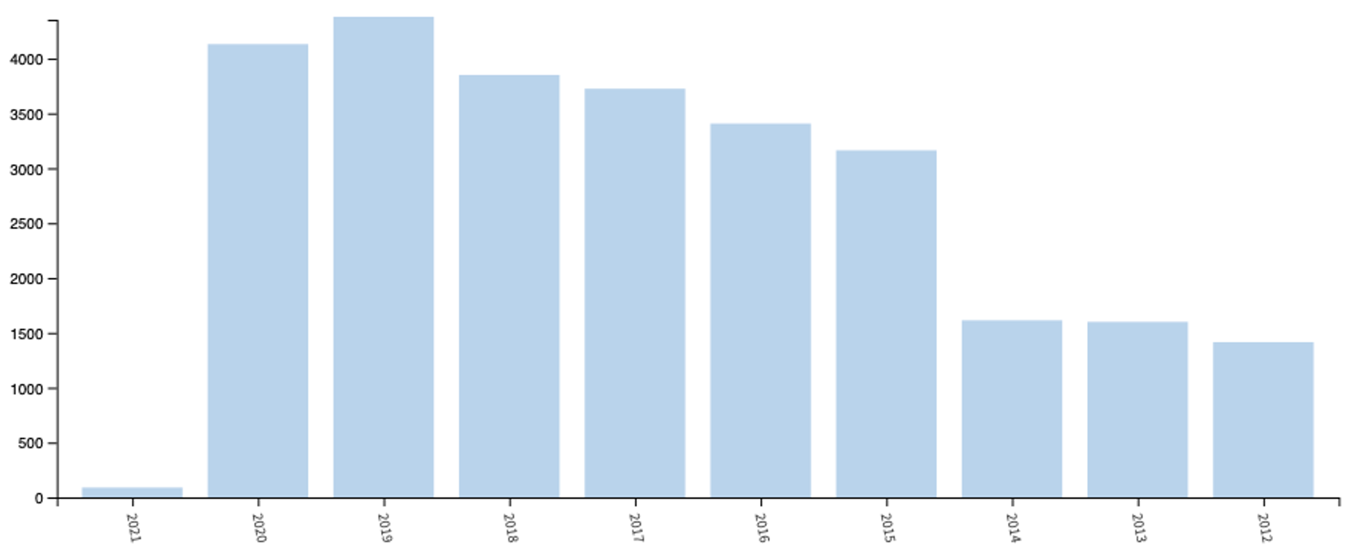
Figure 1: Publications on Spirituality in the past ten years on WoS
Source: Web of Science.
Regarding the language of publication, following the trend of dominance of studies in English, most of the researched studies were published in this language, representing 82.03%. Studies in Portuguese represent only 1.25% of the articles produced.
Concerning the country of publication, the United States leads the search ranking with 15,240 articles, representing 37.56% of the production, followed by England and Canada. Brazil appears in the 9th place, with 963 articles.
The area with the largest number of publications, as expected, is religion, with 9,047 articles or 22.29%. However, categories related to the health area are predominant. The first area related exclusively to administration and business, Business Economics, appears in 15th place, with 1,088 articles. Figure 2 shows the distribution of the ten study areas with the largest number of articles.
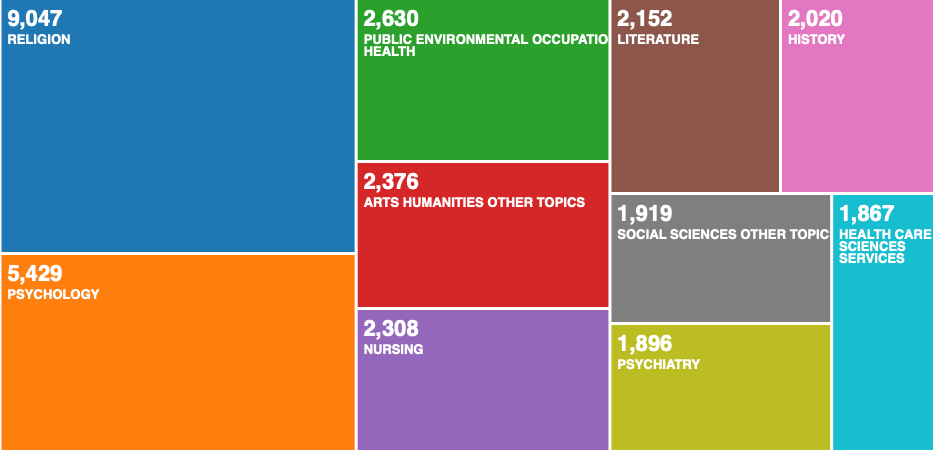
Figure 2: Distribution of articles on Spirituality by category
Source: Web of Science.
This first stage allows us to conclude that, although extensively addressed in other contexts, the topic of spirituality has still been little explored in the field of administration. This offers several opportunities for research and scientific production. In the next section, the terms associated with the areas of administration and business will be analyzed.
4.1. Analysis of applied terms
Table 1 shows the terms and the number of articles found for each one.
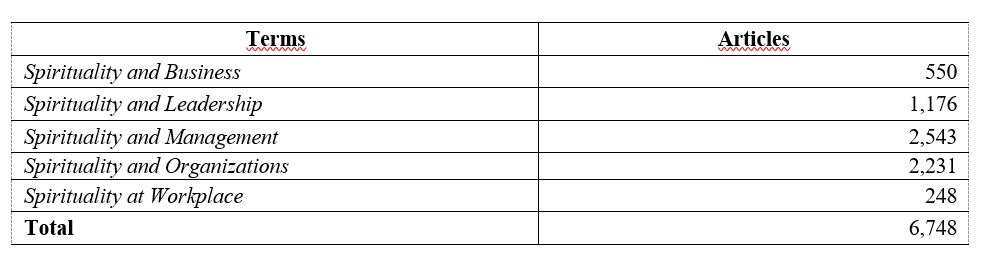
The articles were evaluated using the VOSviewer software, and the results obtained are analyzed below. The construction of each publication is studied in this item in order to analyze which articles, authors, and journals were most cited in the collected documents.
The first topic of analysis refers to the most cited articles. Table 2 shows the ranking of the 15 most cited articles on Spirituality in the selected terms. The ranking is led by the study by Fry (2003), cited 291 times. It is possible to see that different themes emerge together with spirituality. Leadership, organizational values and culture, employee wellbeing, and increased results are just a few themes.
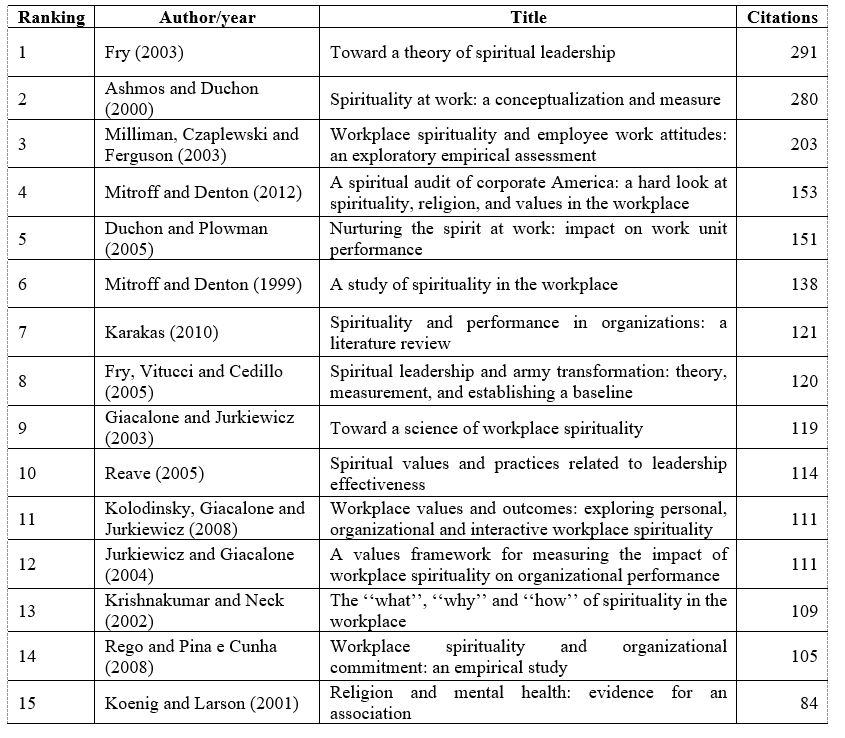
The most cited work, by Fry (2003), presents a causal theory of spiritual leadership developed within a model of intrinsic motivation that incorporates vision, hope/faith and selfless love, theories of workplace spirituality and spiritual survival.
The 2nd most cited work, by Ashmos and Duchon (2000), is an attempt to identify the construct of spirituality at work, identifying the dimensions of this construct.
The study of Milliman, Czaplewski and Ferguson (2003) attempts to make a rigorous empirical examination of the relationship between workplace spirituality and five prevalent employee job attitudinal variables.
Table 3 shows the most cited authors in the articles. Some of the most cited authors also appear in the tables of the most cited articles. These lists are different, since they also include articles that are not included in the WoS database or that are not among the most cited.
One can note that the composition of the ranking of authors does not directly reflect the ranking of most cited articles. Louis Fry also tops that list, with 828 citations.
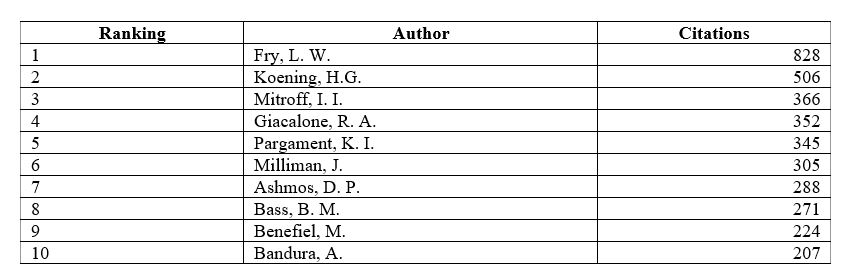
Figure 3 shows the clusters of the cited authors analyzed in VOSviewer, pointing to three prominent clusters, shown in blue, green, and red. These groupings show the trend of the studies analyzed. The yellow cluster gathers support topics.
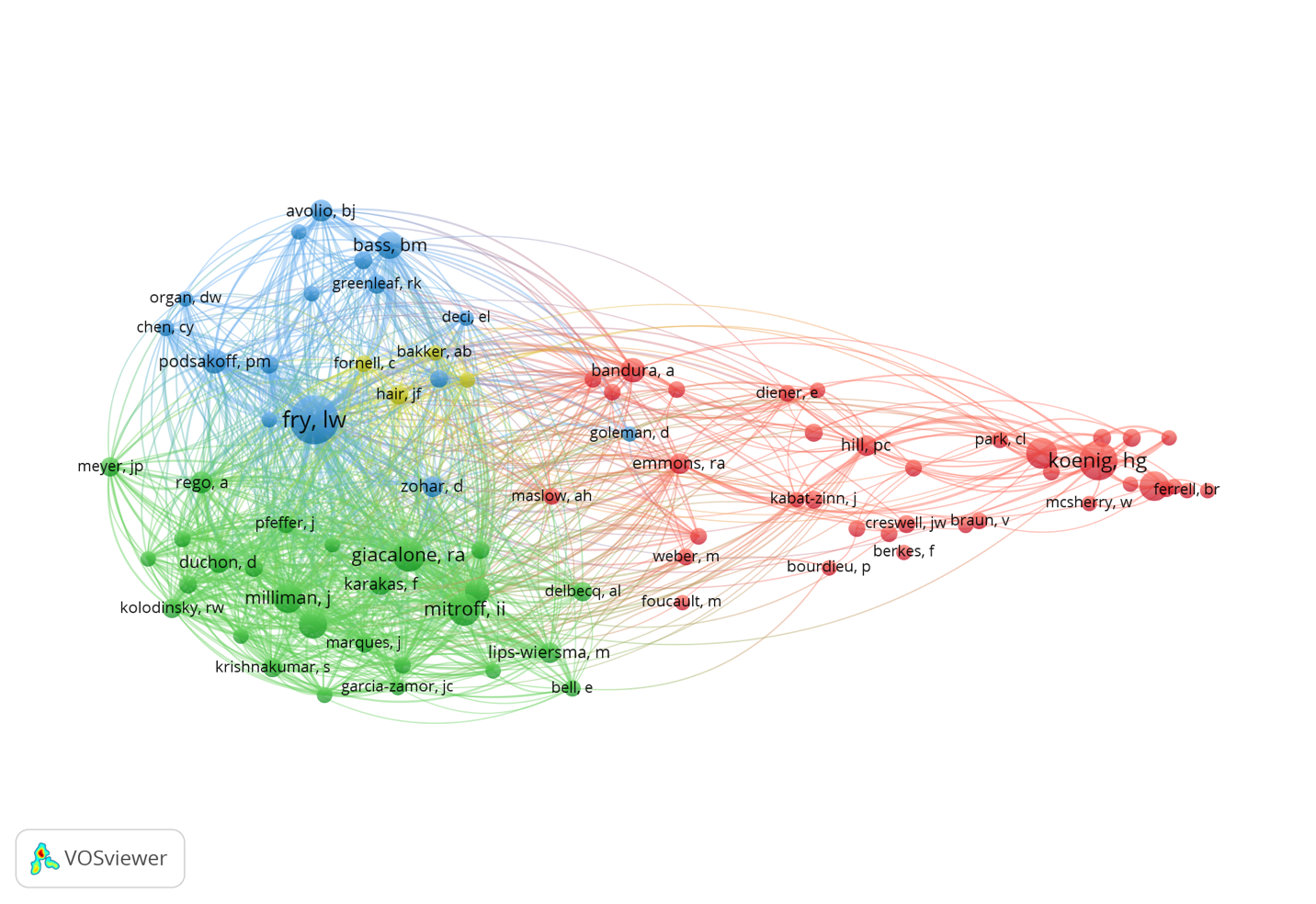
Figure 3: Concentration clusters of the most cited authors – Spirituality
Source: Own elaboration in VOSviewer.
Among the most cited journals, the Journal Business Ethics, with 3,435 citations, leads the ranking, followed by Leadership Quarterly, with 2,086 citations, and Journal Organizational Change Management, with 1,246 citations. Figure 4 shows the clusters of the journals analyzed in VOSviewer. The graphic representation points to two more extreme research poles, presented in green, led by the journal that occupies the first place in citations, and in red, with journals in the area of health, psychology, and religion.
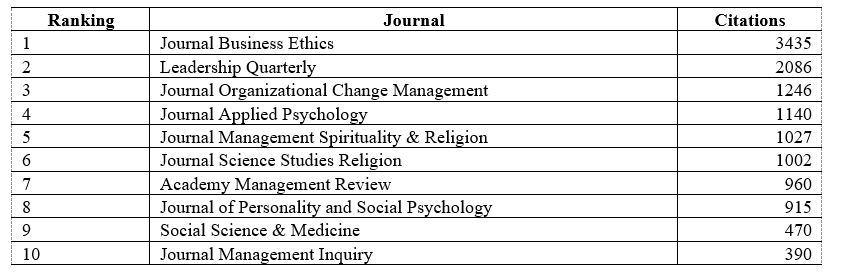
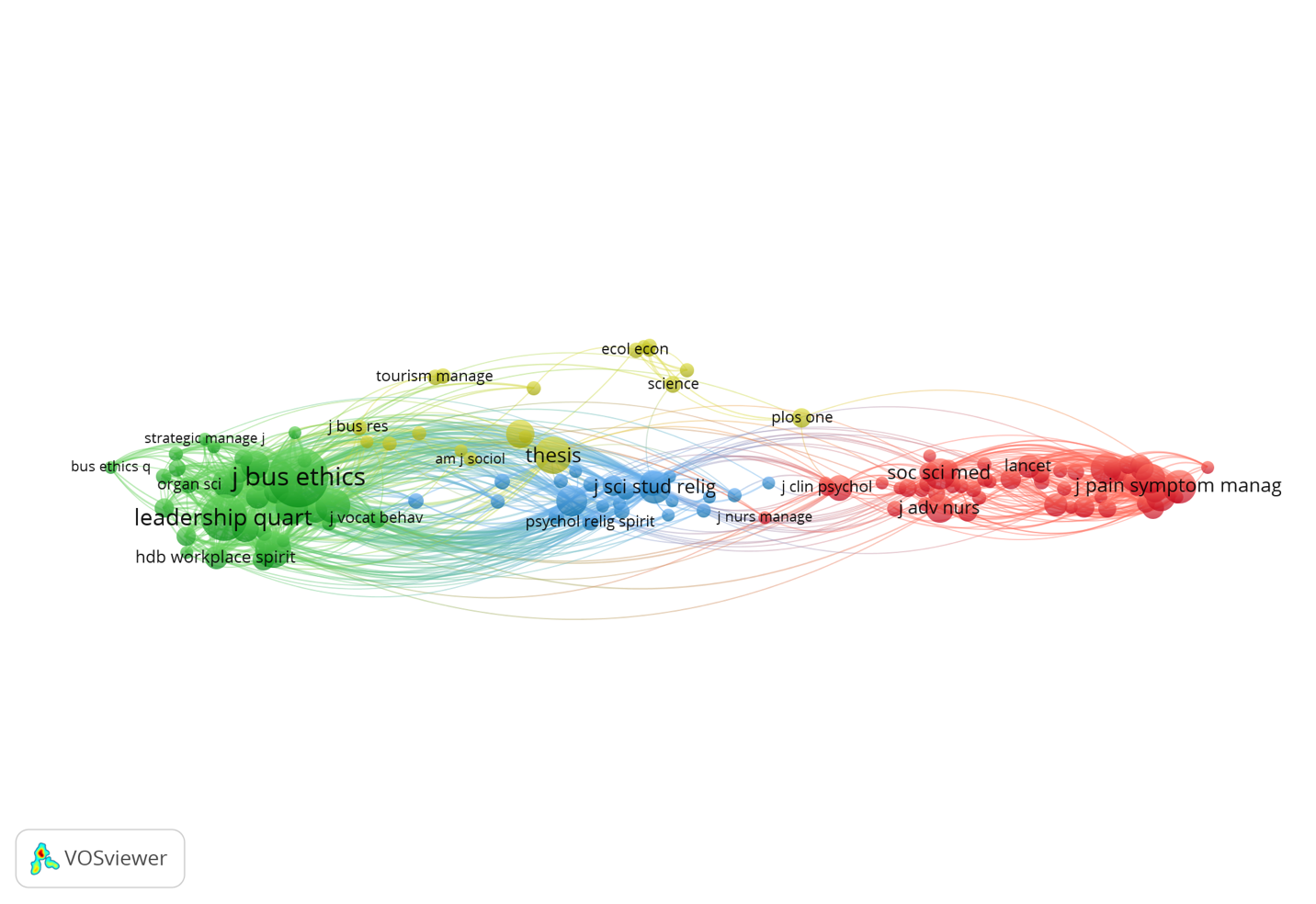
Figure 4: Concentration clusters of the most cited journals – Spirituality
Source: Own elaboration in VOSviewer.
This bibliometric analysis serves as an important driver for the theoretical construction of research; it is also an important landmark in the field of research and studies. Given its in-depth data analysis, one can establish a direction regarding the most important authors, articles, and journals and also know the most influential concepts that ought to be presented in a relevant and reliable research on Spirituality. However, the theme of spirituality is not a unique phenomenon. It is fragmented into different aspects and approaches, such as leadership, culture and its values, employee well-being, and results enhancement.Overall, there is a positive relationship between spirituality and the expected benefits at different levels, from the individual to even the organization as a whole (Jena, 2021, Kuchinka, 2021, Rocha & Pinheiro, 2021, Shrestha & Jena, 2021, Srivastava & Madan, 2022; Widodo & Suryosukmono, 2021).
5 CONCLUDING REMARKS
In accordance with the purpose of this article, a bibliometric study was carried out on the topic Spirituality in Organizations, until 2021.
Considering only the generic term spirituality, 40,573 works were identified in the Web of Science database in the period under analysis, noting a significant increase in publications from the year 2015. Publications in Brazilian journals were in the 9th position of the total, with the USA, England and Canada being the countries that concentrated most of the publications.
Despite representing a new focus of studies in organizations, spirituality deals with something that transcends the economic realm that may go beyond several lifetimes. For this reason, despite being a growing theme, there are many challenges involving the area. An overview of the field can help researchers critically reflect on their own life and work attitudes.
Furthermore, there seems to be a connection between spirituality and leadership, since three of the ten most cited articles deal with these topics, and Leadership Quarterly is the second most cited journal on spirituality. Another topic that emerges is the issue of ethics with spirituality in organizations. Both topics place the Journal of Business Ethics as the most cited of all journals when it comes to spirituality. The third representative topic is the work environment, involving organizational culture, values, and well-being.
In a way, leadership, ethics, and the work environment represent three major research groups involving spirituality. Therefore, important gaps for exploring new studies in the area of spirituality can be seen, such as Definitions of Spirituality in the Organizational Context, Differences between Religious, Confessional and Spiritualized Organization, Spirituality and Professional Development, Contribution of Organizational Spirituality to Attraction and Talent Retention, Spirituality and Achieving Results, Different Perceptions of Spirituality in Leadership and Organizations, among others.
Fry (2003), Ashmos and Duchon (2000), and Milliman, Czaplewski, and Ferguson (2003) were the most cited works in the analysis performed.
Although the topic of spirituality arose in the 1920s, there are still major challenges in the field. Considering the rapid changes in the world, whether, in terms of technology, public health, or the pandemic, the rewards seem to surpass the difficulties. Furthermore, despite the close connection between spirituality and religion, the former is not restricted to the latter. There seems to be a richer field of potential development, especially within the willingness to achieve individual and collective well-being, that positively impacts everyone’s performance. This concept seems to be the ultimate goal of modern organizational management.
Thus, future studies that deepen and find typologies as well as patterns among values, leadership, and work environment within spirituality constitute important developments in the field. Another area of suggestion for future studies is that of the non-economic aspects of spirituality. Although there is a close link between spirituality and organizational performance and efficiency, the former simply cannot be restricted to the economic realm. Immaterial aspects matter, and perhaps this is the very frontier of modern organization management. This means organizing life in a way that not only benefits the organization itself but also the world and the universe, with people acting together and collaborating toward everyone’s benefit.
REFERENCES
Adriaanse, L. S., Rensleigh, C. (2013). Web of Science, Scopus and Google Scholar: a content comprehensiveness comparison. The Electronic Library, 31(6), 727-744.
AlRyalat, S. A., Malkawi, L.W., Momani, S. M. (2018). Comparing bibliometric analysis using PubMed, Scopus, and Web of Science databases. Journal of Visualized Experiments, 6(1), 3.
Araújo, C. A. (2006). Bibliometria: evolução histórica e questões atuais. Em Questão, 12(1), 11-32.
Ashmos, D. P., Duchon, D. (2000). Spirituality at work: a conceptualization and measure. Journal of Management Inquiry, 9(2), 134-145.
Batista, P. S. S. (2010). A valorização da espiritualidade nas práticas de educação popular em saúde desenvolvidas na atenção básica. Revista Eletrônica de Comunicação, Informação e Inovação em Saúde, 4(3), 49-55.
Belwalkar, S., Vohra, V., Pandey, A. (2018). The relationship between workplace spirituality, job satisfaction and organizational citizenship behaviors: an empirical study. Social Responsibility Journal, 14(2), 410-430.
Benefiel, M., Fry, L. W., Geigle, D. (2014). Spirituality and religion in the workplace: history, theory, and research. Psychology of Religion and Spirituality, 6(3), 175-187.
Bernardino, M. C. R., Cavalcante, R. S. (2011). Análise de citações dos artigos da revista ciência da informação no período de 2000-2009. Em Questão, 7(1), 247-263.
Bouckaert, L., Zsolnai, L. (2012). Spirituality and business: an interdisciplinary overview. Society and Economy, 34(3), 489-514.
Brown, R. B. (2003). Organizational spirituality: the sceptic's version. Organization, 10(2), 393-400.
Campesino, M. (2006). Spirituality among latinas/os: implications of culture in conceptualization and measurement. Advances In Nursing Science, 29(1), 69-81.
Chawla, V., Guda, S. (2010). Individual spirituality at work and its relationship with job satisfaction, propensity to leave and job commitment: an exploratory study among sales professionals. Journal Of Human Values, 16(2), 157-167.
De Bakker, F. G., Groenewegen, P., Den Hond, F. (2005). A bibliometric analysis of 30 years of research and theory on corporate social responsibility and corporate social performance. Business & Society, 44(3), 283-317.
Donthu, N., Kumar, S., Mukherjee, D., Pandey, N., Marc Lim,W. (2021). How to conduct a bibliometric analysis: An overview and guidelines. Journal of Business Research, 133. pp. 285-296. https://doi.org/10.1016/j.jbusres.2021.04.070.
Dreyer, J. S., Hermans, C. A. (2014). Spiritual character traits and leadership in the school workplace: an exploration of the relationship between spirituality and school leadership in some private and religiously affiliated schools in South Africa. Koers, 79(2), 1-9.
Dubey, P., Pathak, A. K., Sahu, K. K. (2020). Correlates of workplace spirituality on job satisfaction, leadership, organisational citizenship behaviour and organisational growth: a literature-based study from organisational perspective. International Journal Of Scientific & Technology Research, 9(4), 1493-1502.
Duchon, D., Plowman, D. A. (2005). Nurturing the spirit at work: impact on work unit performance. Leadership Quarterly, 16(5), 807-833.
Freshman, B. (1999). An exploratory analysis of definitions and applications of spirituality in the workplace. Journal of Organizational Change Management, 12(4), 318-327.
Fry, L. W., Matherly, L. L. (2006). Spiritual leadership and organizational performance: an exploratory study. Annual Meeting of the Academy of Management.
Fry, L. W. (2003). Toward a theory of spiritual leadership. The Leadership Quarterly, 14(6), 693-727.
Fry, L. W., Vitucci, S., Cedillo, M. (2005). Spiritual leadership and army transformation: theory, measurement, and establishing a baseline. The Leadership Quarterly, 16(5), 835-862.
Gavin, J. H., Mason, R. O. (2004). The virtuous organization: the value of happiness in the workplace. Organizational Dynamics, 33(4), 379-392.
Geh, E. Z. (2014). Organizational spiritual leadership of worlds ‘made’ and ‘found’. Leadership & Organization Development Journal, 35(2), 137-151.
Giacalone, R. A., Jurkiewicz, C. L. (2003). Toward a science of workplace spirituality New York: M.E. Sharpe.
Glänzel, W., Debackere, K., Thijs, B., Schubert, A. (2006). A concise review on the role of author self-citations in information science, bibliometrics and science policy. Scientometrics, 67(2), 263-277.
Guillory, W. A. (2002). A empresa viva: espiritualidade no local de trabalho. São Paulo: Cultrix.
Gupta, M., Kumar, V., Singh, M. (2014). Creating satisfied employees through workplace spirituality: a study of the private insurance sector in Punjab (India). Journal of Business Ethics, 122, 79-88.
Hassan, M., Nadeem, A. B., Akhter, A. (2016). Impact of workplace spirituality on job satisfaction: mediating effect of trust. Cogent Business & Management, 3(1), 1-15.
Hawley, J., Hawley, J. A. (1993). Reawakening the spirit in work: the power of dharmic management. Berrett-Koehler Publishers.
Jena, L.K. (2021). Does workplace spirituality lead to raising employee performance? The role of citizenship behavior and emotional intelligence. International Journal of Organizational Analysis, Vol. ahead-of-print No. ahead-of-print. https://doi.org/10.1108/IJOA-06-2020-2279
Jurkiewicz, C. L., Giacalone, R. A. (2004). A values framework for measuring the impact of workplace spirituality on organizational performance. Journal of Business Ethics, 49, 129-142.
Karakas, F. (2010). Spirituality and performance in organizations: a literature review. Journal of Business Ethics, 94, 89-106.
Koenig, H. G., Larson, D. B. (2001). Religion and mental health: evidence for an association. International Review Psychiatry, 13, 67-7.
Koenig, H. G. (2008). Concerns about measuring “spirituality” in research. Journal of Nervous and Mental Disease, 196(5), 349-355.
Kolodinsky, R. W., Giacalone, R. A., Jurkiewicz, C. L. (2008). Workplace values and outcomes: exploring personal, organizational and interactive workplace spirituality. Journal of Business Ethics, 81, 465-480.
Krishnakumar, S., Neck, C. P. (2002). The ‘‘what’’, ‘‘why’’ and ‘‘how’’ of spirituality in the workplace. Journal of Managerial Psychology, 17(3), 153-164.
Kuchinka, D.G.J. Spirituality and its Impact on Stress and Subjective Well-Being Among Healthcare Professionals. European Journal of Management, 21(1), 66-76. http://dx.doi.org/10.18374/EJM-21-1.5
Levin, J. S. (2001). God, faith, and health: exploring the spirituality-healing connection. New York: John Wiley & Sons, Inc.
Markow, F., Klenke, K. (2005). The effects of personal meaning and calling on organizational commitment: an empirical investigation of spiritual leadership. International Journal of Organizational Analysis, 13(1), 8-27.
Meho, L. I., Yang, K. (2007). Impact of data sources on citation counts and rankings of LIES faculty: Web of Science versus Scopus and Google Scholar. Journal of the American Society for Information Science and Technology, 58(13), 2105-2125.
Miller, W. R., Thoresen, C. E. (2003). Spirituality, religion, and health: an emerging research field. American psychologist, 58(1), 24.
Milliman, J., Czaplewski, A. J., Ferguson, J. (2003). Workplace spirituality and employee work attitudes: an exploratory empirical assessment. Journal of Organizational Change Management, 16(4), 426-447.
Milliman, J., Ferguson, J., Trickett, D., Condemi, B. (1999). Spirit and community at southwest airlines: an investigation of a spiritual values-based model. Journal of Organizational Change Management, 12(3), 221-233.
Mitroff, I., Denton, E. A. (1999). A study of spirituality in the workplace. Sloan Management Review, 40, 83-92.
Mitroff, I., Denton, E. A. (2012). A spiritual audit of corporate America: a hard look at spirituality, religion, and values in the workplace. San Francisco, CA.
Moberg, D. O. (2002). Assessing and measuring spirituality: con-fronting dilemmas of universal and particular evaluative criteria. Journal of Adult Development, 9(1), 47-60.
Mousa, A. E. (2020). The impact of workplace spirituality on employee performance: Evidence from Abu Dhabi University. International Business Research, 13(5), 79-94.
Mukherjee, S., Singha, S. (2019). Relationship between workplace spirituality and job satisfaction. International Journal of Economic Research, 16(2), 1-22.
Nandram, S. S. (2016). How do spirituality, intuition and entrepreneurship go together? Philosofical Management, 15(1), 65-82.
Newlin, K., Knafl, K., Melkus, G. D. (2002). African-American spirituality: a concept analysis. Advances in Nursing Science, 25(2), 57-70.
Oliveira, M. R., Junges, J. R. (2012). Saúde mental e espiritualidade/religiosidade: a visão de psicólogos. Estudos de Psicologia, 17(3), 469-476.
Ortiz-Gómez, M., Ariza-Montes, A., Molina-Sánchez, H. (2020). Servant leadership in a social religious organization: an analysis of work engagement, authenticity, and spirituality at work. International Journal of Environmental Research and Public Health, 17(22), 8542.
Orviz, M. N., Cuervo, C. T., Arce, G. S. (2021). Revisión de la investigación científica en ISO 9001 e ISO 14001: un análisis bibliométrico. Cuadernos de Gestión, 21(1), 29-45.
Otlet, P. (1986). O livro e a medida: bibliometria. São Paulo: Cultrix.
Palludeto, A. W. A., Felipini, A. R. (2019). Panorama da literatura sobre a financeirização (1992-2017): uma abordagem bibliométrica. Economia e Sociedade, 28(2), 313–337.
Pandey, A. (2017). Workplace spirituality: themes, impact and research directions. South Asian Journal of Human Resources Management, 4 (11), 212-217.
Pawar, B. S. (2009). Individual spirituality, workplace spirituality and work attitudes: an empirical test of direct and interaction effects. Leadership & Organization Development Journal, 30(8), 759-777.
Peres Vanti, N. A. (2002). La bibliometría y webmetría: una exploración conceptual de mecanismos utilizados para medir registro de información y la difusión del conocimiento. Bibliometría Y Webmetría, 31, 152-162.
Petchsawang, P., Duchon, D. (2012). Workplace spirituality, meditation, and work performance. Journal of Management, Spirituality & Religion, 9(2), 189-208.
Poole, E. (2009). Organisational spirituality: a literature review. Journal of Business Ethics, 84(4), 577-588.
Portales, L. (2015). El poder de las palabras de los capellanes. El impacto en los colaboradores de la gestión de la espiritualidad laboral. Estudios Gerenciales, 31(135), 212-222.
Pritchard, A. (1969). Statistical bibliography or bibliometrics? Journal of Documentation, 25(4), 348-349.
Reave, L. (2005). Spiritual values and practices related to leadership effectiveness. The Leadership Quarterly, 16(5), 655-687.
Rego, A., Pina e Cunha, M. (2008). Workplace spirituality and organizational commitment: an empirical study. Journal of Organizational Change Management, 21(1), 53-75.
Rego, A., Pinha e Cunha, M., Souto, S. (2007). Espiritualidade nas organizações e comprometimento organizacional. RAE Eletrônica, 6(2).
Rocha, R.G., Pinheiro, P.G. Organizational Spirituality: Concept and Perspectives. J Bus Ethics 171, 241–252 (2021). https://doi.org/10.1007/s10551-020-04463-y
Rupcic, N. (2017). Spiritual development: a missing and powerful leverage when building learning organizations. The Learning Organization, 24(6), 418-426.
Saiz, J., Pung, M. A., Wilson, K. L., Pruitt, C., Rutledge, T., Redwine, L., Taub, P. R., Greenberg, B. H., Mills, P. J. (2020). Is belonging to a religious organization enough? Differences in religious affiliation versus self-ratings of spirituality on behavioral and psychological variables in individuals with heart failure. Healthcare, 8, 129.
Serrano, G. (2017). Competencias directivas y virtudes: un camino a la excelencia. Estudios Gerenciales, 33(143), 208-216.
Shrestha, A. K., Jena, L. K. (2021). Interactive Effects of Workplace Spirituality and Psychological Capital on Employee Negativity. Management and Labour Studies, 46(1), 59–77. https://doi.org/10.1177/0258042X20962994
Srivastava, S., Madan, P. (2022). Linking ethical leadership and behavioral outcomes through workplace spirituality: a study on Indian hotel industry. Social Responsibility Journal. https://doi.org/10.1108/SRJ-08-2021-0345
Tischler, L., Biberman, J., Altman, Y. (2007). A model for researching about spirituality in organizations. Business Renaissance Quarterly, 2(2), 23-39.
van der Walt, F., Steyn, P. (2019). Workplace spirituality and the ethical behaviour of project managers. SA Journal of Industrial Psychology, 45(1), 1-9.
van Eck, N. J., Waltman, L. (2010). Software survey: Vosviewer, a computer program for bibliometric mapping. Scientometrics, 84, 523-537.
White, H. D. (2007). Combining bibliometrics, information retrieval, and relevance theory: examples of synthesis. Journal of The American Society For Information Science And Technology, 58(4).
Widodo, S Suryosukmono, G. (2021). Spiritual leadership, workplace spirituality and their effects on meaningful work: Self-transcendence as mediator role. Management Science Letters, 11(7), 2115-2126.