Casos para Ensino
Applying Nudges in São Paulo: All Good, Except for the Data!
Applying Nudges in São Paulo: All Good, Except for the Data!
Aplicando Nudges en São Paulo: ¡todo pasa bien, solo faltan los datos!
Applying Nudges in São Paulo: All Good, Except for the Data!
Administração Pública e Gestão Social, vol. 15, núm. 2, 2023
Universidade Federal de Viçosa

Esta obra está bajo una Licencia Creative Commons Atribución-NoComercial-SinDerivar 4.0 Internacional.
Recepción: 04 Abril 2022
Aprobación: 14 Septiembre 2022
Publicación: 21 Abril 2023
Abstract:
Context: In July 2019, the (011).lab team, a government innovation laboratory of São Paulo, is close to completing its first major nudge project — using behavioral sciences to influence citizens’ behavior. This project it is a classic application, in which interventions are made in tax collection letters to reduce delinquency and increase the amount collected.
Dilemma: After running the experiment, the project managers face the challenge of being able to access data, a fundamental step for the statistical analyses necessary to evaluate the outcome of their interventions. The team of the Secretariat of Finance, the initiative partners, is afraid to share this data on account of the Tax Secrecy Act.
Case closure: The reader has to decide whether it is possible to follow with simpler analysis, without access to data, or if there is an alternative to gain access and insist on full analysis.
Keywords: Behavioral sciences, Nudge, Public innovation, Public innovation laboratories, Public policy implementation.
Resumo:
Contexto: Em julho / 2019, a equipe do (011).lab, um laboratório de inovação em governo da Prefeitura de São Paulo, está perto de concluir seu primeiro grande projeto de nudge — uso de ciências comportamentais para influenciar comportamentos de seus cidadãos. Neste caso, é uma aplicação clássica, em que se fazem intervenções em cartas de cobrança de impostos para diminuir a inadimplência e aumentar o valor arrecadado.
Dilema: Após rodar o experimento, os gestores do projeto se deparam com o desafio de ter acesso aos dados, passo fundamental para as análises estatísticas necessárias para avaliar o resultado de suas intervenções. A equipe da Secretaria da Fazenda, parceira na iniciativa, tem receio em partilhar esses dados por conta da Lei de Sigilo Fiscal.
Fechamento: É preciso decidir se é possível seguir com análise mais simples, sem acesso aos dados, ou se há alternativa para conseguir o acesso e insistir na análise completa.
Palavras-chave: Ciências comportamentais, Nudge, Inovação pública, Laboratórios de inovação pública, Implementação de políticas públicas.
Resumen:
Contexto: En julio / 2019, el equipo del (011).lab, un laboratorio de innovación gubernamental de São Paulo, está cerca de completar su primer gran proyecto de nudge (uso de las ciencias conductuales para influir en el comportamiento de los ciudadanos). Este proyecto es una aplicación clásica, en la que se realizan intervenciones en cartas de recaudación de impuestos.
Dilema: Después de ejecutar el experimento, los gerentes del proyecto se enfrentan al desafío de poder acceder a los datos, un paso fundamental para los análisis estadísticos necesarios para evaluar el resultado de sus intervenciones. El equipo de la Secretaría de Finanzas, los socios de la iniciativa, tiene miedo de compartir estos datos a causa de la Ley de Secreto Fiscal.
Cierre: Es necesario decidir si es posible seguir con un análisis más simple, sin acceso a los datos, o si hay alternativas para obtener acceso y insistir en el análisis completo.
Palabras clave: Ciencias del comportamiento, Nudge, Innovación pública, Laboratorios de innovación pública, Implementación de políticas públicas.
1 Introduction
Fabio Storino, one of the coordinators of (011).lab, was excited about the unit's first nudge project. The unit was a government innovation lab within the Department of Innovation and Technology of the City of São Paulo. In mid-July 2019, after months of study and preparation, the team was close to realizing its first significant experiment in the use of behavioral sciences to improve public policies—in this case, increasing tax collection. However, what seemed to be going well was in danger of going off the rails.
There was natural resistance coming from the partner of the first project, the Municipal Department of Finance. One by one, the concerns were overcome, always finding a new paths or technically valid alternatives. After months of negotiation and planning, the intervention in the tax collection letters of the Cadastro Informativo Municipal (CADIN), a register of debtors, had been put into place—almost 16,000 letters sent! And now, just in time for the goal, the referee seemed to be calling offside: the (011).lab team would not be able to access the data for analysis of the results, since they were subject to tax secrecy regulation.
A year of work—and the future of the initiative—was at stake. What could they do to save the project?
2 Everything new: the department, the division, the lab
Nudge projects were the result of a two-year trajectory of discussing, planning, and carrying out government innovation projects in the Municipal Department of Innovation and Technology (SMIT). The department was created by the new administration, which took office in January 2017. It incorporated existing projects and divisions from different departments, and also created new divisions. Two of them stood out, one aimed at prospecting innovations and the other at implementing innovation projects. After seven months of team building, training, planning and many discussions, the two decided to work together, creating an informal unit called (011).lab, a government innovation lab, with shared governance (see exhibit 1 for the organizational chart of the department). The team of the innovation division and the leadership (comprised of the chief of staff, the deputy commissioner, and the commissioner of the department) understood that the concept of a laboratory was easier to communicate and to operate.
The team at the nascent lab consisted of seven civil servants in appointed positions and some interns (between four and eight, initially). It was a young team (with an average age between 25 and 35 years old), many with a public management degree and willing to innovate in government. But few had actual work experience in the public sector, and none had previously worked in a government innovation unit. The SMIT leadership supported the creation of the lab in the expectation that the unit would start to generate concrete results throughout 2018, but it knew that it was an up-and-coming initiative, trying to do something that was not common to municipal public management.
The lab team chose to seek among its first partners the coordinators of other divisions of SMIT, developing a series of small projects based on agile methods and design sprint practices[[1]]. Despite some bumps, the results began to appear, giving the team more confidence and fueling the ambition to experiment with new themes, methods and partners. One subject stood out for part of the lab team: the use of behavioral sciences to improve public policies.
3 Nudges in the public area: the contribution of behavioral sciences
The word .nudge. describes the kind of subtle actions we do to encourage someone to adopt or avoid a certain behavior. The underlying concept suggests practical applications of behavioral sciences insights to influence decision making, encouraging desirable behaviors and/or minimizing undesirable ones. Nudges are simple, inexpensive, and scalable interventions that change the way choice is presented to promote a particular alternative, without taking away the freedom to choose others. A popular example of nudge is stickers of flies on urinals in the men’s bathroom at an airport in the Netherlands. Another version features a soccer goal, directing the users’ aim. Studies show up to 80% improvement in the cleanliness of those environments.
This area of study has gained prominence in recent decades, mainly from the work of behavioral economists and psychology researchers who seek to understand how people really act — and not how we would like them to act. However, its application in governments is more recent. A major milestone was the creation, in 2010, of the Behavioral Insights Team (BIT) in the United Kingdom, which developed small behavioral experiments to increase the effectiveness of several public policies. In a short period of time, the unit managed to show remarkable results, grew considerably and today works not only for the British government but also with other countries. It also inspired the creation of several other nudge units in different governments, both at the national and the local level, and across many different policy areas. The team there created a model to guide the application of these insights in public policy: the acronym EAST (easy, attractive, social, timely). For a behavior to be achieved, it must be made as simple as possible, removing barriers (easy); it must be able to attract the attention of the intended audience (attractive); it must be framed as something other people are doing (social); and it should be encouraged at the right time, when people are most likely to act (timely).
The (011).lab team was familiar with this topic, having mapped some potential projects in their annual planning for 2018. Fabio had been interested in the subject since before his experience at the City Hall, reading articles and listening to podcasts talking about nudge experiences. However, his attention at that moment was directed to another key project at SMIT, the expansion of the municipal Wi-Fi network in São Paulo. There was little time and energy left to study the subject further, train the team, and pursue projects. That began to change at the end of the following semester.
4 Warming up the engines…
Interest in starting a nudge project gained a double boost in June 2018. The project that so occupied Fabio began to enter its final stages, freeing up his time. At the same time, the (011).lab team learned of an event, organized by the Brazilian National School of Public Administration (ENAP), which would discuss the use of behavioral sciences in government, with talks by specialists and the presence of public managers from all over Brazil interested in the topic. SMIT’s leadership agreed to fund the trip, after the team considered the potential of these policies.
It was there that Fabio began to really delve into the subject, in addition to meeting many people interested in the subject. Among these people, he met Flora Pfeifer, an economics undergraduate student at the University of São Paulo (USP) who showed great interest and theoretical knowledge on the topic. A few months later, she was hired as an intern at (011).lab to work on nudge projects.
When planning a first project and starting to look for potential partners within City Hall, the team realized that it still had a lot to develop in terms of internal capabilities. It was at that moment that the hiring of an external consultancy team, which (011).lab had been negotiating for a long time, materialized. As of October 2018, it was possible to count on the support of consultants from Elo Group, a Brazilian consultancy firm with experience in public innovation—including nudge projects.
In the meantime, the first talks with the Department of Finance were advancing for a possible pilot project. This is a traditional area of this type of intervention, as small actions have the potential to bring about big, tangible results. The classic example, by the BIT team, dealt with changes in tax collection letters. It generated an additional revenue in the order of tens of millions of pounds.
There were several meetings, first involving the senior leadership, and then the technical teams. There was a mix of enthusiasm and caution on the part of the Department of Finance staff—despite seeing potential in the project, any change in a system that collects taxes, fees, and debts from millions of citizens is always a cause for concern.
Finally, conversations moved towards a potential pilot project involving collections from CADIN, a registry of debtors in São Paulo. A letter is sent in batches every two weeks to people who have debts with the municipality. The document includes a warning: if the amount is not paid within 30 days, the citizen will enter the CADIN (it is an administrative collection stage before entering the debt roster). The project would focus on the collection of overdue property tax (IPTU) installments. It was a simpler area to start than directly in the regular property tax collection, the second largest source of tax revenue in the municipality and whose millions of bank slips are sent to all property owners at the same time of year. Having decided on the focus and already having contacts with the technical staff at the Department of Finance, the (011).lab team did the detailed planning and began their research.
5 Starting the project: the many letters of CADIN
Fabio and Flora spent much of the initial project time reading government reports and academic articles on the application of these behavioral insights to tax-collecting letters. England, Poland, Guatemala, Argentina, Peru… there were several examples of success around the world. These readings were important to understand what had been effective, in terms of messages in the bodies of the letters, and what was the modus operandi of this type of project. In general, several versions of the letter were prepared, each one based on a principle. The effectiveness of the missives was then put to test through a random experiment: the teams randomly selected, among the target population, a group of people to receive each type of letter, and a group that would receive the traditional letter. The settlement rate of each group was then compared to the others, and the letter with the best performance was implemented for the entire population.
In addition to researching similar initiatives, the team also conducted work to better understand the context. Conversations were held with the team from the Department of Finance, seeking to map the process and understand the causes of defaulting taxes. In addition, the team made visits to the Finance Department’s information center, talking to attendants and taxpayers about their doubts and perceptions about the original letter.
The original letter had excessive information in small print and was written in complex and impersonal language (see exhibit 2). In its redesign, the (011).lab team developed some hypotheses about the reasons behind the default: people do not understand what they should do (described in the literature as an “unclear call to action”), how to do it (“confused step by step”), leave it for later (“little sense of urgency”), do not know what “CADIN” is and do not see the consequences of not taking action.
The lab team, with the support of the technical consultancy firm, held some workshops to design the new versions of the letter. The first step was to create a base letter, considering some general lessons from the behavioral sciences. Everything non-essential has been removed from the letter, making it easier to read (this letter and its other versions are available in exhibits 3 to 7). The main information has been highlighted, in a heading and in bold. The language has been simplified, removing all technical jargon. In addition, the team sought to make the entire understanding of the payment process as simple as possible, removing potential frictions to the desired action.
From this base version, some specific messages were incorporated, inspired by studies in other contexts. One focused on social norms, similar to what was done in England. It frames the taxpayer as an individual who is outside the group that is part of the majority and leads to behavior changes by making them perceive themselves as deviant. The call to action is linked to the behavior of the majority: “be part of the majority that is up to date with São Paulo” and “most São Paulo residents paid their property tax on time. Do like them and stay up to date with the municipality.”
Another version proposed a more alarmist and threatening approach. It seeks to break inaction (not paying) by framing it as a deliberate choice and imprinting a sense of urgency. The document has the following excerpt: “up to now, we consider that the fact that you are not up to date with your property tax was due to an oversight. However, if you do not pay within 30 days, we will understand that this was your choice, and you will enter CADIN and then the city’s debt roster.”
There is also a statement with the intention of increasing awareness of the costs of not settling the outstanding debt, highlighting all the possible consequences. At the end, the document frames the option of non-payment as the “worst choice” for both sides with the passage: “nobody wants this to happen, neither you nor the City Hall.”
Finally, a last letter used a flowchart to present the information, with the step-by-step process for the payment. Visual elements were supposed to make the instructions in the letter more noticeable, making it easier to read.
The team wrote the letters in the form of an initial prototype. Over the next few weeks, several changes were made by going through reviews and interactions from others in the lab, the Department of Finance team, and based on quick conversations with citizens approached on the street. They arrived at the final versions, ready for deployment by Prodam, the city’s public technology company. It was necessary for the Prodam team to adapt the letters to the system that printed the letters.
6 It’s time for the experiment
To know which letter would work best here in São Paulo, it was necessary to test them. The best way to do this would be through a random experiment, a randomized controlled trial (RCT).
Every two weeks, São Paulo’s City Hall sends around 60,000 CADIN notices on IPTU outstanding debts sent to taxpayers. The team considered running the test in one of those batches of letters. The plan was as follows: part of these 60,000 citizens would be randomly selected into sample groups of similar sizes, each one receiving one version of the letter. There would also be a group that would receive the original letter (“control”) to serve as a baseline. The team calculated that they would need about 4,000 people per group to ensure good estimates. They also found out that sometimes there were more than one address registered to the same social security number (CPF/CNPJ), so they had to avoid contamination between groups (the same person should not receive different versions of the letter).
To make this separation between the groups, it would be necessary to take the total base, issued on the day of shipment, and apply a lottery code, generating smaller, separate bases, each related to a type of communication.
However, Fabio and Flora were surprised by a limitation: since the data was subject to the Tax Secrecy Law, only tax auditors could access it. But only the SMIT team and the consultancy firm it hired had the necessary technical skills to conduct this procedure—it would be necessary to think of another way to operationalize this activity remotely. The solution found was the development of a code that would perform the randomization automatically at the Department of Finance, with just one mouse click. Despite a delay in the project schedule to develop it and do its integrity tests, the tool was successfully built.
However, this delay led to the postponement of the test: the war operation required to send all the letters to property owners to collect the property tax, which happens in January and February of each year, brings many other communications to a halt, including that of CADIN, which only resumes sending its letters by April or May. In the meantime, there was a vacancy for an entry-level position in public management in São Paulo. Then, just a few months before graduating, Flora was hired and became part of the permanent staff at (011).lab.
Finally, on June 26, 2019, the test letters were sent: a total of 15,178 CADIN outstanding debt notices of the IPTU installments, for individuals and corporations. The intention was then to analyze the results after the grace period (30 days) and measure the differences between the settlement rates between the groups, according to the type of letter received.
After several false starts, things seemed to be picking up. Meanwhile, (011).lab had started other nudge projects in other departments, but with few meaningful results. The project with the Department of Finance promised to finally validate the bet of SMIT’s leadership on the project.
7 Results ahoy! Or are they?
After the celebrations for having managed to put the project into practice, the teams expected to be able to compare the results at the end of July. In a meeting to plan this next step, a new unforeseen event arose: the Department of Finance team did not want to share the data from the experiment due to the Tax Secrecy Law. The tax auditors set out to directly compare the percentages and evaluate which letter was the most efficient, but the (011).lab team wanted to have a more in-depth assessment, with complementary analysis to estimate the statistical significance of the differences, perform statistical corrections, and other checks. Being able to do the analysis on an anonymized database posed an additional challenge.
Fabio and Flora were unsettled when they left the meeting. Before returning to the Innovation Department, they stopped at a cafe to catch their breath and plan the next steps. They knew they had to come up with practical ideas on how to solve the issues to present to the leadership of SMIT, at a meeting that would take place later that week.
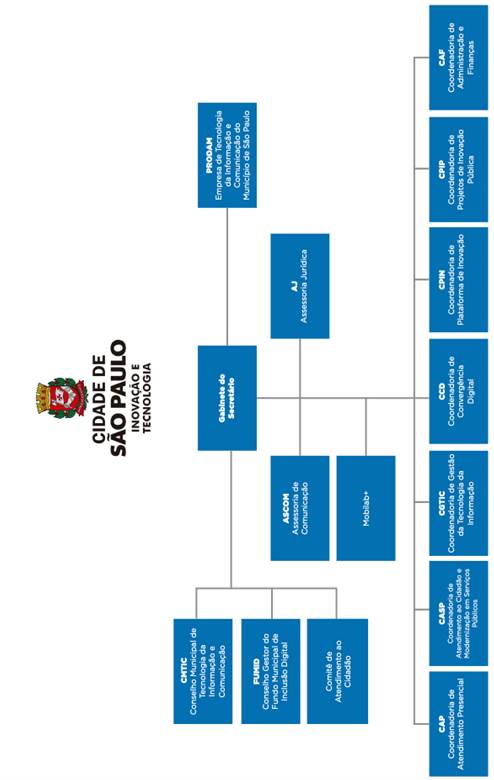
Exhibit 1: Organizational Chart of the Municipal Department of Innovation and Technology (2019)
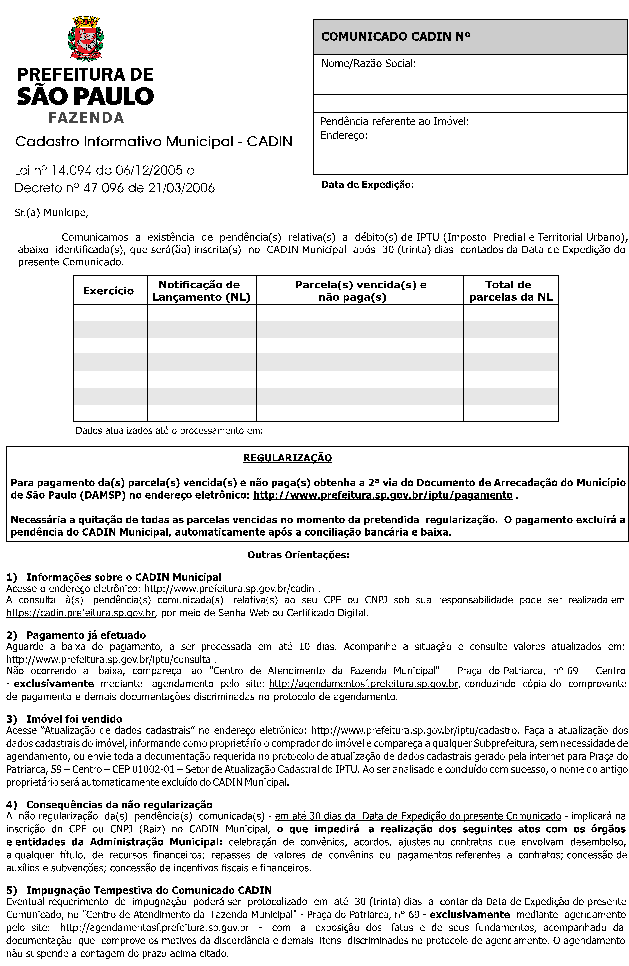
Exhibit 2: Standard letter (control)
Figure 2: Letter used by CADIN until early 2019 to collect outstanding debts
Source: authors, from a document prepared by (011).lab.
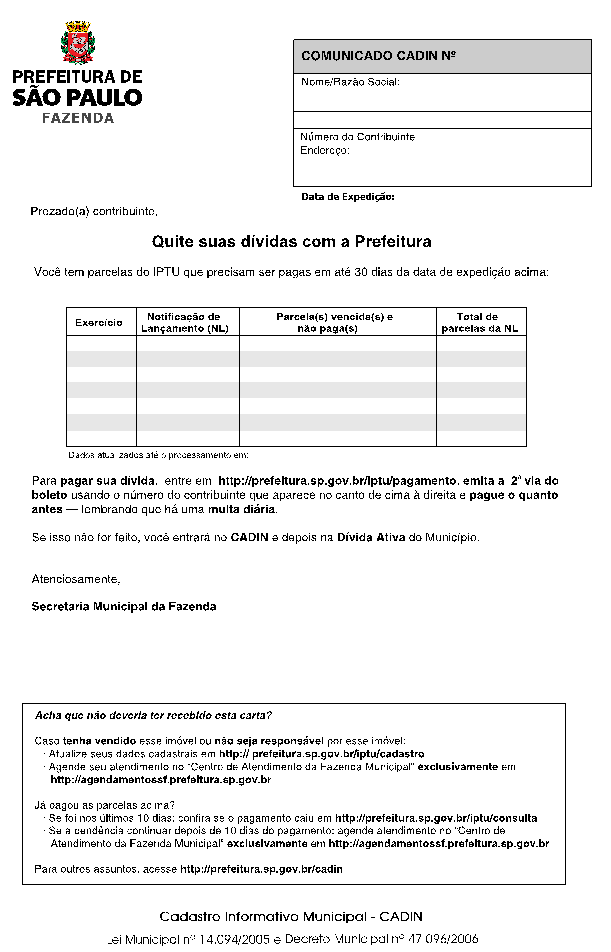
Exhibit 3: Simplified letter
Figure 3: Revised test letter, “simplified” version
Source: authors, from a document prepared by (011).lab.
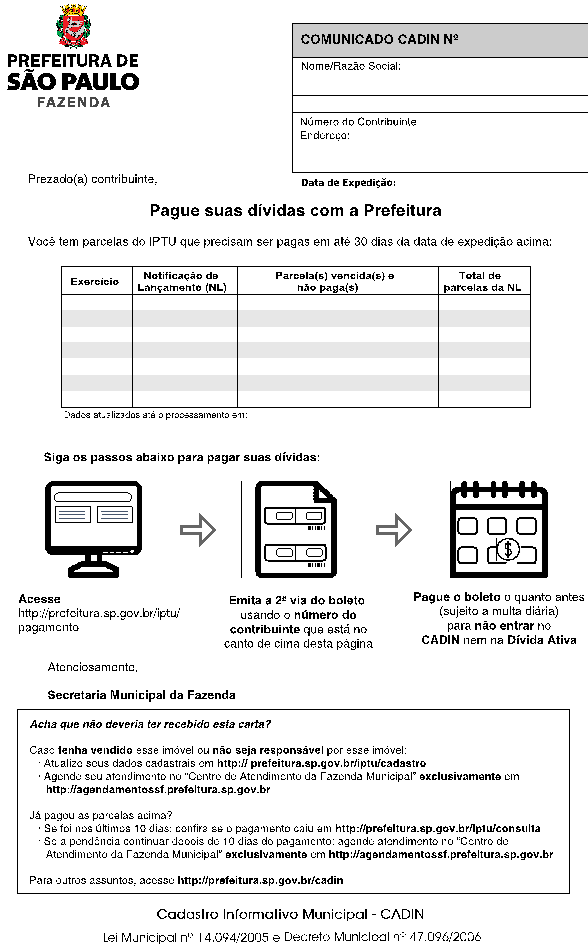
Exhibit 4: Visually simplified letter
Figure 4: Revised letter for testing, “graphic simplified” version
Source: authors, from a document prepared by (011).lab.
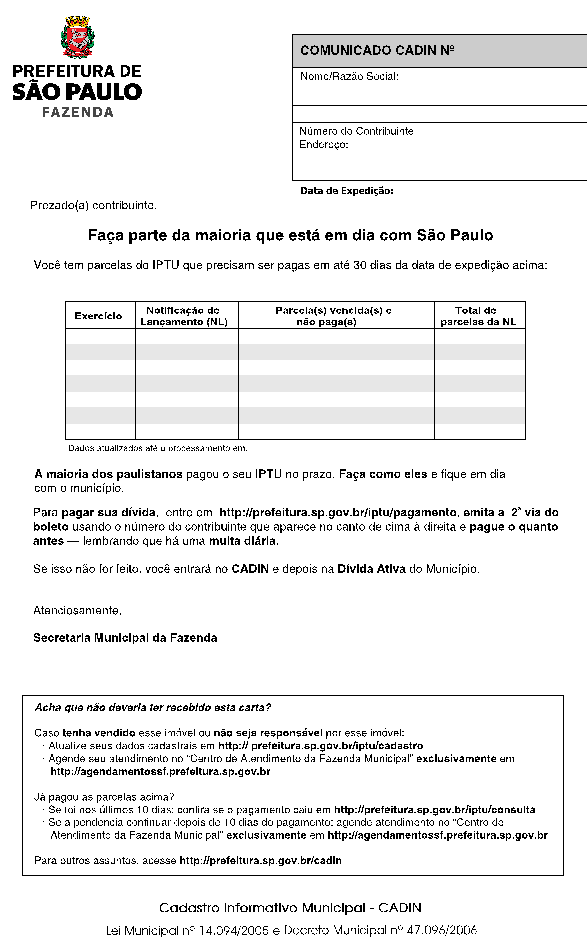
Exhibit 5: “Social norm” letter
Figure 5: Revised letter for testing, “social norm” version
Source: authors, from a document prepared by (011).lab.
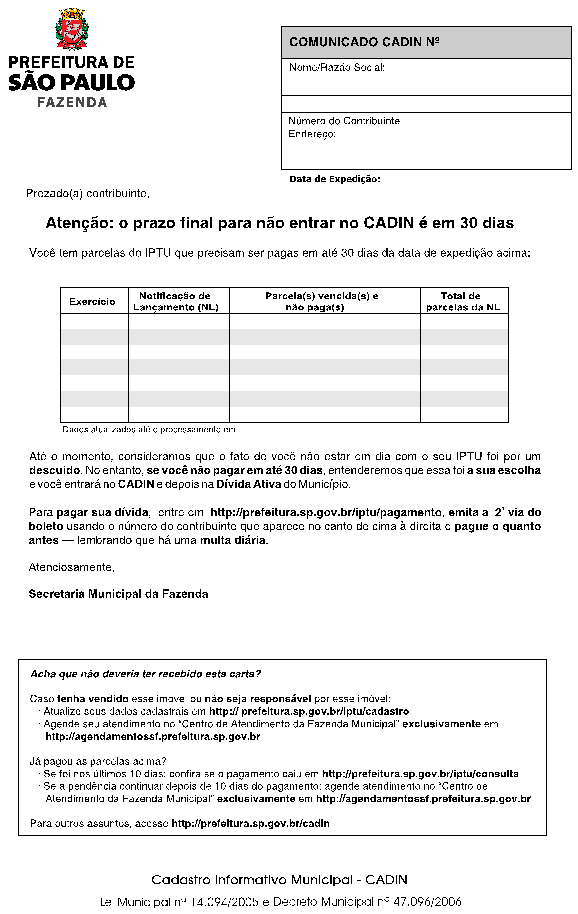
Exhibit 6: “Deliberate choice” letter
Figure 6: Revised letter for testing, “deliberate choice” version
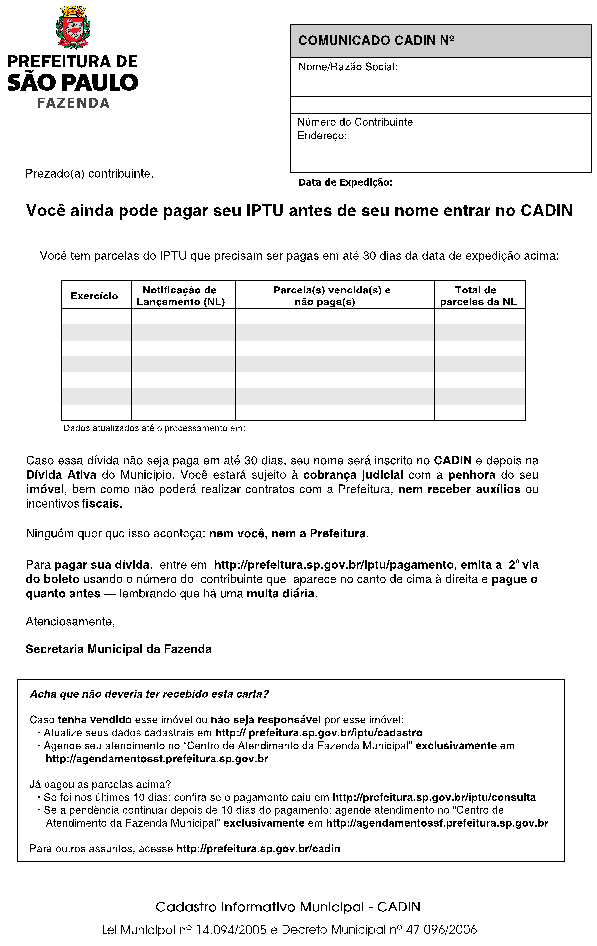
Exhibit 7: “Consequences” letter
Figure 7: Revised letter for testing, “consequences” version
Source: authors, from a document prepared by (011).lab.
Teaching Notes: Applying nudges in São Paulo: All good, except for the data!
Synopsis
In July 2019, the team at (011).lab, a government innovation lab in the City of São Paulo, is close to completing its first major nudge project.using behavioral insights to influence the behavior of its citizens. In this case, it is a classic application, in which interventions are made in letters sent to taxpayers to reduce outstanding debts and increase tax revenue. After running the experiment, Fabio and Flora, the project managers, are faced with the challenge of accessing the data, a fundamental step for the statistical analysis necessary to evaluate the results of their interventions. The team from the Department of Finance, a partner in the initiative, is unwilling to share this data due to the Tax Secrecy Law.
Teaching objectives
The main teaching objective of the case is for its readers to understand the processes and challenges of carrying out a public innovation project, especially initiatives that make use of insights from the behavioral sciences. Then, they must be able to formulate alternatives for action, seeking a balance between the recommendations of the literature and behavioral sciences good practices and the reality of everyday public management.
The case is indicated for classes and subjects that discuss the following topics[[2]]:
· Public innovation and new methods of public management
· Planning and implementation of public policies
· Design of behaviorally informed public interventions
· Experimental methods for impact assessment
It can be applied to undergraduate students (closer to the end of the course, as it demands a considerable repertoire of public management and related areas) as well as postgraduate courses.
Data sources
Data comes mainly from interviews with the managers involved in the cases, Fabio Franklin Storino (Public Innovation Project Coordinator at (011).lab) and Flora Pfeifer (project manager at (011).lab). Two semi-structured interviews were carried out, each lasting approximately 1 hour. In the first interview, the main concern was to collect general information about the case, data on the organizations involved, on the context in which the project takes place and the people involved. From there, the authors organized the chronological line of events and structured the narrative. The second interview focused on detailing the prioritized problem situation, going into the details of project implementation, difficulties and alternatives considered.
Documents relevant to the case were also collected, such as the organizational chart of the department and the letters used in the experiment.
Questions for discussion
The following study questions are suggested so that students can adequately prepare for discussing the case:
1. What most caught your attention about the way the nudge project in São Paulo is being implemented?
2. What aspects led to the exposed conflict and how could they have been minimized during the previous stages of the project?
3. What strategies can the project team pursue to get around the issue?
Students are expected to address the following points when answering the questions.
1. It is possible to highlight several characteristics of innovation projects (in general) and/or nudge projects (specifically), such as the inspiration in agile methods / design thinking ; the importance of different forms of research (desk research / literature review, field research); direct contact with the public policy target audience (in this case, taxpayers); collaborative design with the officials responsible for the policy; methodological rigor for the test to have statistical validity; the openness of the team to adapt what was planned as the project unfolds; the need to have multidisciplinary teams, with different skills and abilities. It is also interesting to note the delay in the project, possibly because it is new in the context in which it is applied and because it changes how the policy has been traditionally done. Lastly, one could point to a potential resistance from the Department of Finance team.
2. The analysis of the facts presented in the case points to some hypotheses. The main ones include the little practical experience in public management on the part of the lab team; the new type of behavioral science project (it is the first of its kind for (011).lab); the complexity of the type of project, which may not have been well explained by the lab team and/or well understood by the Department of Finance. It is possible to wonder if the position does not express a latent resistance of public servants to the project, perhaps worried that its success will shed light on the secretariat’s problems; or that the potential success increases the lab’s reputation while diminishing that of the department (“look, they are the innovators, not the old-fashioned bureaucrats...”). Paying more attention to communication and relationships with partners seems to be key to avoiding problems of this kind in the future.
3. There are a few options. The first, letting a tax auditor directly conduct the analysis, is not ideal, since he would only compare the percentages and would not follow the proper protocols of statistical analysis, such as checking the confidence intervals, crucial to give credibility to the results. It is also possible to try a political articulation, involving the leadership of SMIT or maybe even the mayor. This could potentially work, but it can also generate enmity and even more resistance on the part of the Department of Finance. Another option is to continue arguing at the technical level, emphasizing the importance of having access to the data to carry out the most complete analysis possible. Finally, it is possible to look for alternatives to protect the data (for example, with encryption and hashing techniques. and thus allay the servers’ concern about the Law. There is no single correct way to answer this question. The most important thing is to observe whether the student argues consistently with the case data and intertwines political, technical, legal and negotiation/communication issues in their proposed action.
Main concepts and theories mobilized by the case
Implementation of public policies. Implementation is part of the well-known cycle of public policies, which generally comprises the phases of agenda-setting, formulating alternatives, decision-making, implementation, monitoring and evaluation (Howlett & Ramesh, 1995). It is in the implementation phase that public policies are actually executed, becoming tangible and being put into practice in the real world. There has been greater interest in this phenomenon in recent years, with more and more research showing that it is not just a step that follows “naturally” after planning (in other words, just doing what was planned is not enough); that the boundaries between formulation and implementation are more fluid than the cycle suggests; and that the bureaucrats who actually deal with the day to day of public policy—both middle-level and so-called street bureaucrats—have much more power to influence the way action takes place than was initially thought (Sabatier, 1998; Marques, 2003; Lotta et al., 2018).
The case discussed here clearly demonstrates these points raised above. It also illustrates how, in innovative processes, in which a given type of public action is implemented for the first time, implementation gains even more relevance compared to planning. We do not argue that planning is not important, but rather than the contact with reality — for example, with the partner teams of the Department of Finance — challenges and potentialities that were not observed before are revealed, which influence the way in which the policy is implemented. This can be explained both by the little experience of the lab team, which is developing its capabilities as it carries out new projects, and by the context of the São Paulo City Hall, an unfamiliar environment for this type of policy and which may require adaptations given its institutional and cultural characteristics.
Public Innovation Labs. Demands for a more transparent, effective, and citizen-friendly public administration have led to the search for new management models, based on open innovation, policy co-creation, open data and methods inspired by design thinking practices. In this scenario, the implementation of innovation labs (iLabs) became more common: they are spaces for generating ideas and solutions to public problems using a collaborative approach, involving the private sector and civil society (Acevedo & Dacen, 2016; Schuurman & Tõnurist, 2017). There is a marked increase in the number of Brazilian (Cavalcante, 2019) and international experiences (Acevedo & Dacen, 2016) in recent years.
The case clearly exemplifies several points raised in the literature, such as the potential of iLabs to create and facilitate innovation processes, or the need to challenge barriers to innovation in the public sector, which include the pressure to deliver short term results, the overload of clerical work, short-term planning and budgeting, and a risk aversion culture (Mulgan & Albury, 2003). Finally, we can also talk about the challenge of scaling innovative projects, as pointed out by Mulgan (2014). It is possible to discuss the type of institutional capacity that the lab will need to develop if it wants to move from pilot projects to a large-scale nudge policy or unit at the São Paulo City Hall.
Nudge: use of behavioral sciences in public policy. In 2008, Richard Thaler and Cass Sunstein published the book Nudge. They posit that a careful design in the way the choices are presented to the people (choice architecture) can influence the decision towards a certain option. Based on empirical research in behavioral economics, psychology, and related areas, the authors define nudges as simple, inexpensive, and transparent interventions that change the architecture of choice in favor of an option, without, however, changing the incentives in a way that is no longer reasonable to stick with the previous choice, such as banning an option outright or changing the economic incentives at stake (Thaler & Sunstein, 2008). In the last decade, behavioral science units applied to public policy—popularly known as nudge units—have emerged and multiplied around the world.
One of the main methods used to evaluate the application of nudges is the randomized controlled trial (RCT). It has been widely used to assess the impact of behavioral science interventions. The method, traditional in the pharmaceutical fields, has been brought to the social sciences recently, especially due to the work of Duflo, Kremer and Banerjee, winners of the “Nobel” in economics in 2019 (Svensson, Fredriksson, & Persson, 2019).
Behavioral interventions gained prominence in tax collection. In 1995, the first project of such kind was carried out, within the Minnesota Department of Revenue, in the United States. New letters to taxpayers were designed, leveraging on social norms (the statement that “most citizens are up to date with their taxes”), and the impact was measured through a field experiment, with positive and statistically significant results (Coleman, 1996). A similar application was made in the United Kingdom, in which the new letter contained the information that “9 out of 10 citizens paid their taxes on time,” which brought a 5.1% increase in the tax compliance compared to the control group (Hallsworth et al., 2017). Since then, similar initiatives have been undertaken around the world, with varying rates of success depending on the principle being tested and the local context.
The case of nudge in São Paulo illustrates this application, with the random choice between who will receive the new treatment (the redesigned letters) and the control group, who will receive the traditional letter. After a while, the outcome indicators between the two groups are compared, and the difference in the averages is the impact caused by that factor, controlling the results for other potentially relevant variables.
This method is considered the gold standard of impact assessment, that is, the one that more precisely manages to establish a causal relationship between the intervention and the observed result. With the random selection for the treatment and the control groups, it is ensured that the groups are as similar as possible, including observable or hidden traits that may have some impact on the result. In addition, the analysis is performed at the same moment in time to avoid that some other factor, such as changes in the economic cycle, impacts the result. The importance of following such protocol to legitimize the experiment and the reliability of the results explains Fabio and Flora’s reluctance to let the Department of Finance team make direct comparisons of the results.
Further readings
If deemed appropriate, the teacher can ask the class to also read the following texts in addition to the case (before or after class):
Cavalcante, P.; Mendonça, L.; Brandalise, I. (2019). Políticas públicas e design thinking: interações para enfrentar desafios contemporâneos. In: CAVALCANTE, P. (ed.). Inovação e políticas: superando o mito da ideia. Brasília: Ipea. Retrieved from https://repositorio.ipea.gov.br/bitstream/11058/9383/1/Pol%c3%adticas%20p%c3%bablicas%20e%20design.pdf
This article provides a good general contextualization of the challenge of innovating in the context of Brazilian public administration.
Campos Filho, A.; Sigora, J.; Bonduki, M. (2020). Ciências comportamentais e políticas públicas. In: Ciências comportamentais e políticas públicas: o uso do SIMPLES MENTE em projetos de inovação. Brasília: Enap. pp. 20–37. Retrieved from https://repositorio.enap.gov.br/bitstream/1/5219/1/gnova_simplesmente_digital_simples.pdf
This article provides a helpful review of the literature on the use of behavioral sciences in public management.
Teaching plan (for an 80 to 100-minute class)
The case should be distributed one to two weeks in advance for students to read. Sending the “Questions for Discussion” is also recommended, facilitating the students’ preliminary analysis of the case.
The teaching plan below assumes that the class will have read the case and will be able to have the discussion, facilitated by the teacher.
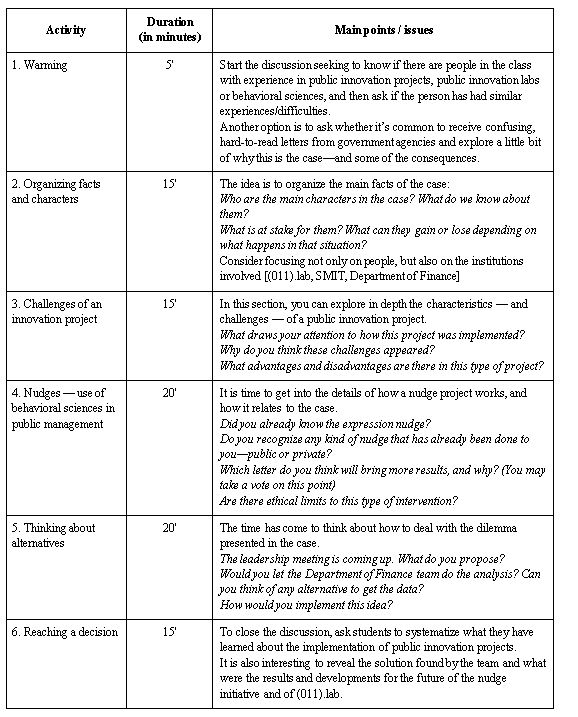
Source: authors.
What happened in the real case
Fabio and Flora realized that there had been a failure to communicate about the methodology and stages of the project. The Department of Finance team had understood the reason for the experiment, but not the type of statistical analysis necessary to validate the results. As a first learning experience for a public innovation project, some concepts are complex and need to be explained in detail, in a didactic way and in a language familiar to the partner. In addition, tools that explain the tasks of each part and the stages of the project can help during the agreement phase at the start of the project.
In addition, the (011).lab team was still learning along the way and did not yet have full knowledge of what data they would need or how to carry out a detailed analysis. To fill this gap in technical capacity, they turned to academic partners. In conversation with researchers who had more experience in evaluations, they found out about two strategies for working with data protected under fiscal secrecy: creating a secure computing environment or anonymizing the database. The former could be built in the form of a machine in the Department of Finance itself without internet access and with the USB ports disabled. The anonymized database strategy would depend on the Department of Finance preparing the database, removing sensitive data, and anonymizing it.
These two strategies were suggested to the Department of Finance team. This decision went through several instances within the department since it was a sensitive topic and involved data from another department. It was also necessary to file a formal request via SEI (the City Hall’s electronic process system) and articulate if politically via the leadership. After a few months, they had access to the anonymized database. The analysis would face some limitations, since relevant data, such as the amount due, was not provided, but it would be a start. In the meantime, Fabio and Flora hired a consultant specializing in experimental methods and impact analysis to help with the task. After their conversations with academia, it became clear that that technical competence was, for now, beyond the team’s internal capacity.
The first results of the analysis have shown that two letters had a positive and statistically significant impact: the “consequences” letter of (exhibit 7) and the “deliberate choice” letter (exhibit 6). They increased the tax compliance rate by 4 (8.4%) and 3.05 (6.2%) percentage points, respectively, compared to the traditional letter. It was possible to provide a first estimate of the potential for increased revenue in the year, if the letter with the best performance were implemented: it would reach tens of millions of reais.
To ensure the adoption of the letter with the best performance and to obtain additional data to refine the analysis, (011).lab scheduled a meeting to present the results involving the deputy commissioners of the two departments involved (SMIT and Finance), in addition to their technical teams. They presented the results in an objective way, showing the rigor of the analysis. This meeting was crucial in gaining the internal support of the other department on the project. As a result, it was decided to implement the best letter and they were able to deepen the analysis, with more data made accessible.
The success of this project also opened the door to other innovation projects in the Department of Finance. For more information, we recommend reading the following document:
(011).lab. (2019). Como aumentar o pagamento de impostos em atraso? Dívidas do imposto predial e territorial urbano (IPTU) parcelado. São Paulo: Prefeitura de São Paulo. Retrieved from https://repositorio.enap.gov.br/handle/1/5220.
References
Acevedo, S., & Dacen, N. (2016). Innovation for better management. the contribution of public innovation labs (IDB Technical Note; 1101). USA: IADB.
Cavalcante, P. (Org.). (2019). Inovação e Políticas Públicas. superando o mito da ideia. ENAP: Brasília.
Coleman, S. (1996). The Minnesota income tax compliance experiment. State tax results, MPRA Paper, University Library of Munich, Germany. Disponível em: https://EconPapers.repec.org/RePEc:pra:mprapa:4827.
Howlett, M., & Ramesh, M. (1995). Studying Public Policy. Policy Cicles and Policy Subsystems. Ontario, CA: Oxford University Press
Hallsworth, M., List, J. A., Metcalfe, R. D., & Vlaev, I. (2017). The behavioralist as tax collector: Using natural field experiments to enhance tax compliance. Journal of Public Economics, 148(1), 14–31.
Lotta, G., & Nunes, A. C., Cavalcanti, S., Ferreira, D. D., & Bonat, J. (2018). Por uma agenda brasileira de estudos sobre implementação de políticas públicas. Revista do Serviço Público, 69(4), 779-810
Marques, E. (2003). Redes sociais, instituições e atores políticos no governo da cidade de São Paulo. São Paulo: Annablume
Mulgan, G., & Albury, D. (2003). Innovation in the public sector. Londres: Cabinet Office Strategy Unit.
Mulgan, G. (2014). The radical’s dilemma. an overview of the practice and prospects of Social and Public Labs (Version 1). UK: NESTA.
Sabatier, P. (1998). The advocacy coalition framework: revisions and relevance for Europe. Journal of European public policy, 5(1), 98-130
Schuurman, D., & Tõnurist, P. (2017). Innovation in the Public Sector: Exploring the Characteristics and Potential of Living Labs and Innovation Labs. Technology Innovation Management Review, 7(1), 7-14.
Svensson, J., Fredriksson, P., & Persson, T. (2019). The Prize in Economic Sciences 2019: Popular Science Background. The Royal Swedish Academy of Sciences, 2019. Recuperado de https://www.nobelprize.org/uploads/2019/10/popular-economicsciencesprize2019-2.pdf, em 25 de maio de 2020.
Thaler, R., & Sunstein, C. (2008). Nudge: Improving Decisions About Health, Wealth and Happiness. London: Penguin House.
Notes