ART
Report of learning experiences in didactical conditions for teaching grammar, vocabulary, and pronunciation to Katty, a student with dyslexia
Reporte de experiencias de aprendizaje en condiciones didácticas exitosas para la enseñanza de gramática, vocabulario y pronunciación para Katty, una estudiante con dislexia
Report of learning experiences in didactical conditions for teaching grammar, vocabulary, and pronunciation to Katty, a student with dyslexia
Actualidades Investigativas en Educación, vol. 16, no. 2, pp. 311-342, 2016
Instituto de Investigación en Educación, Universidad de Costa Rica
Received: 19 May 2015
Revised document received: 30 September 2015
Accepted: 25 April 2016
Abstract.: Due to the need for recent literature regarding teaching EFL in Costa Rica to students with dyslexia, in addition to establish which are the most effective didactic conditions for teaching of grammar, vocabulary, and pronunciation, a qualitative Action Research case study was developed for an intermediate level EFL course in and adult program in a public univerisity in Costa Rica. Reading and pronunciation difficulties, and affective variables such as motivation, anxiety, and positive feedback from her teacher were considered. Information was collected through in-depth interviews, teacher logs, and the student's assessment activities during 14 weeks in collaboration with her teacher. Standard modifications such as reduced number of items and longer time for answering questions were applied. As for results, the most successful didactic conditions for oral activities were sitting arrangements, peer interaction, repetition of instructions, teacher praise, and tutorial sessions with the researcher. However, didactic conditions and strategies like repetition and practice, or using native language for explaining grammar did not contribute to correct spelling and passing grades in written grammar exercises. Although phonetic drilling was effective for the pronunciation of /s/, /∫/, and /t∫/ in isolated phonemes and words, no improvement was observed during actual conversations. As an affective by-product, the student's self-confidence increased. This study concludes that lesson planning based on strategies, persistence, and rapport between student and teacher play a central role in successful and meaningful learning. Family and school community support also benefit both student and teacher.
Keywords: dyslexia, teaching of english as a foreign language efl, action research, case study..
Resumen.: Debido a la necesidad de literatura reciente sobre la enseñanza del Inglés como Lengua Extranjera (EFL) para estudiantes con dislexia en Costa Rica, así como para determinar cuáles son las condiciones didácticas más efectivas para enseñar gramática, vocabulario y pronunciación a una estudiante con dislexia, se desarrolló un estudio de caso con enfoque cualitativo en un contexto de investigación-acción, durante un curso de nivel intermedio en un programa de venta de servicios de enseñanza para personas adultas en una universidad estatal costarricense. Se consideraron las dificultades y necesidades de la estudiante para la lectura y la pronunciación, además de variables afectivas como motivación, ansiedad, y refuerzo positivo. La información se recopiló mediante entrevistas a fondo, bitácoras del profesor, y evaluaciones durante 14 semanas. Se usaron adecuaciones curriculares no significativas como reducir el número de ítemes o extender el tiempo para responderlos. Respecto a hallazgos, las condiciones didácticas más exitosas para actividades orales fueron que la estudiante se sentara cerca del profesor, trabajo en grupos, repetición de instrucciones, refuerzo positivo y tutorías con el investigador. Sin embargo, la repetición y práctica, o el uso de la lengua materna para explicar la gramática no tuvieron éxito para ejercicios escritos de gramática ni la ortografía. Aunque prácticas de fonética fueron efectivas para la pronunciación de /s/, /∫/, y /t∫/ como fonemas o en palabras aisladas, no se observó mejoría durante conversaciones. Como resultado afectivo, la autoconfianza de la estudiante se acentuó. Se concluye que el planeamiento de lecciones basado en condiciones didácticas, la persistencia, y la empatía entre estudiante y profesor son fundamentales para el aprendizaje exitoso y significativo. Además, el apoyo de la familia y la comunidad escolar benefician a estudiantes y profesores.
Palabras clave: Enseñanza del inglés efl, dislexia, necesidades educativas especiales, investigación acción, estudio de caso..
1. Introduction
Case studies strive to be descriptive and briefly analytical, that is, not quantitative but qualitative in nature. For this report, the main purpose has been sharing the process of coteaching a student with dyslexia, illustrating sucessful and failed class and assessment activities, both as part of classwork and extra-class work. Although, "Katty", the young woman introduced here, was not the researcher's student at the moment this work was developed, the researcher had the chance of working with her in out-of-class tutorials, and hand-in-hand with her teacher. Therefore, the general objectives and activities are joint efforts, but the implementation plan, analysis, and conclusions are the researcher's.
The researcher wishes to thank "Katty", her mother, and her English professor, for their kind assistance and support. They have taught us the biggest lesson possible: love and dedication can move any mountain.
Thus, framed within the parameters of action research, this article reports on the context of the problem to be studied, the plan to be implemented, literature review, analysis of data, and conclusions and recommendations.
2. The Problem
This section sets the context of the problem to be investigated in the action research. It includes the conditions under which the case study was to be undertaken, with the objective of improving the situation. In this case, Katty's learning process.
2.1 Katty's Background
"Katty" is a 25 year-old girl that lives in Escazú, a few kilometers west of the city of San José, Costa Rica. She is an adopted child and lives with a well-off family who loves and supports her. When she was born, an intracerebral hemorrhage was detected by doctors. This condition was accompanied by different problems that have resulted in many surgical operations through the years. For example, when she was five months old, she underwent a heart operation. At the age of eleven, she was operated in her trachea, and more recently, she received a titanium implant in her spine. In addition to this, she suffers from frequent amnesia, periodical seizures that must be treated with pills, and dyslexia (difficulty in reading and writing). She also presents a speech problem that needed to be treated first with surgery and later with speech therapy. She still has a moderate impairment that requires keen attention and "breaking in" from her listeners in order to clearly understand her.
In general terms, Katty appears to be younger than her age. She is quiet, shy, sweet, and shows a sincere attitude towards people. She is also very attentive to her surroundings and in many ways she is the "typical teenager": she is interested in pop music, fashion, having fun outdoors with her friends and cousins. Besides, she has been studying and playing the keyboards for several years now, and has recorded a CD with 20 traditional Latin American and pop classics played by herself. She also performs periodically at the Catholic Church in San Cayetano, San José, private universities, and shopping malls.
In spite of her medical background, Katty enjoys life like any other young woman. She quit formal education when she was in 8th grade of secondary school, due to learning problems and the increasing need for curricular accommodations. More recently, she has taken photography as a semi-professional activity, and she has been studying English for nearly two years at Fundatec, an Adult Program offered by a public university.
2.2 Katty's Dyslexia
As it was stated above, Katty suffers from a moderate speech problem, dyslexia, and amnesia. According to an interview with her mother, the doctors' common opinion is that her dyslexia and other learning characteristics stem from her condition of being born with an intracerebral hemorrhage. In fact, doctors thought Katty would not live for more than a couple of years at the most, taking into consideration that she had been born also with a delicate heart malformation that required a risky operation in her first months of life. Later operations and rehabilitation have also affected her primary and secondary education, forcing her to quit formal education altogether.
First of all, Katty has problems dealing with written information. In this respect, she presents some of the basic features of students with dyslexia: inability to concentrate on written texts, inability to differentiate important from non-important information, poor spelling, frequent repetitions, fragmentation of sentences or omissions, organization problems, and difficulty when writing or copying from the board or a book (Baumel, 2003).
Regarding memory, she has good retention for long-term events (last year, her school years, childhood in general), but very short working memory for contents studied the previous week or even some minutes before in class. This is most severe with auditory memory, such as new words, or the sounds that compose them. On the other hand, she works better with visual aids or stimuli, like cards and concrete objects.
Emotionally, Katty evidences at moments insecurity, frustration, and anxiety when trying to understand instructions and keeping up with her peers. This is particularly notorious during assessment activities. In contrast, she exhibits compensating skills like musical abilities, sensitivity towards others, and the capacity to arise empathy on her classmates.
2.3 Katty's Self-evaluation
According to the information gathered in two in-depth interviews, Katty does not think she has any real problems for learning English. She believes that the disadvantages she may have suffered during primary and secondary school do not exist any longer. For her, English classes have been a fulfilling experience since she has received plenty of support from her family, teachers, classmates, and school staff.
In addition, she prefers oral activities and oral exams to written tests. When dealing in particular with grammar, books become confusing and boring for her, due to the fact that font size may be considered too small and the "texts too dense" (Rondot-Hay, 2006, p. 4). She has been studying English at this specific Adult Program for nearly two years now, and she is currently in the last level of the Intermediate Courses (8th level). Although she failed and had to repeat a couple of courses, she is very motivated to finish the basic and intermediate levels. Next year she will move on to the advanced courses, which she thinks will be easier because they include neither books nor written exams.
In general terms, she has found English studies to be enjoyable because they have allowed her to overcome her shyness, make new friends, meet new challenges, learn a lot of new things, and become more independent, according to what she expressed in an interview.
2.4 Family
Katty's family, her mother in particular, has been very supportive during her whole life and during her English classes. Katty studies and reviews class notes mainly with her relatives: mother, brothers, sisters, and cousins. With them, she has found motivation to carry on. After interviewing Katty and her mother E, it was evident that there is a very strong tie between the two, which transcends mere mother-child relationships: English classes have in fact given them the chance of becoming friends and partners. Their attitude is one of shared accomplishments. In fact, they have developed a routine of studying, reviewing, practicing, and doing homework together at least three times a week.
In an interview, E comments that from the first day of classes, Katty is able to "predict" if she will pass or fail the course depending on the professor's way of speaking. That is, those who talk very fast are really hard to understand for Katty, so she or her mother has to ask the professor to slow down and talk more clearly. Most teachers, they explained, comply with this request, although they have had the experience of having to deal with others who stuck to their normal rate of speech. This, according to Katty and her mother, resulted in frustrating experiences and failed courses. Nevertheless, E added also that in general, Katty has always had very good personal relationships with her teachers. As Krzyzak (2005) suggests, "many of the achievements as well as failures that happen in a dyslexic student's school life depend on the teacher's attitude to a great extent" (p. 2).
2.5 School Context and Support
Fundatec (Fundación Tecnológica) belongs to the Technological Institute of Costa Rica (ITCR). It offers language courses throughout the country, but lacks physical facilities of its own, unlike most language academies. Instead, Fundatec rents public schools' classrooms, using these facilities during weekdays (evening classes) or Saturdays (mornings and afternoons.) In the case of Escazú, Fundatec leases a lower-middle class public school. Therefore, its facilities are not the best: they evidence the neglect and scarcity of resources Costa Rican public institutions have suffered in the last 30 years. This is seen as worn-out school desks, old blackboards and whiteboards, insufficient illumination, deteriorated restrooms, and lack of technological equipment like projectors or computers.
In the particular case of Katty, Fundatec does not offer any kind of specific support in terms of funding, special equipment, or training for her teachers. So far, Katty's professors have dealt with groups of up to 20-25 students, and although they have implemented some curricular or methological accommodations for her, special attention has always been dependent on the teachers' own initiative.
At the time this study was made, Fundatec's site in Escazú did not keep records on students with special needs. Professors are either informed orally in advance by their coworkers (Katty's previous teachers) or by the coordinator herself. In Katty's school, L, who has been the main janitor of the school for 20 years now, has known Katty and her family since she was a young child. This kind woman has been who, in many cases, talks to Katty's teachers and introduces them to her special educational needs.
2.5.1 Curricular Accommodations Applied in Previous Courses
In the past, Katty's condition has required different curricular accommodations: teachers have needed to "train" their ears to her "accent" and intonation; they have had to speak slowly and enunciate clearly. Besides, written exams have been shorter and less demanding, and classes have made an emphasis on oral activities. For example, Katty states that she would like books to be clearer: she finds grammar very difficult and incomprehensible at times. She shows a preference for oral activities and an aversion towards written exercises and exams.
As indicated above, so far Katty has needed to repeat two of the eight Basic Courses at Fundatec. Based on what she mentioned, in some exams she failed due to her difficulty to understand grammar and to apply it correctly. In others, it was due to emotional factors (lack of motivation) and insufficient rapport with her professor at the time. Her compensating strengths like empathy, creativity, and sensitivity on the other hand, have helped her to adapt to inclusive education within the English classroom. These skills have been exploited by her teacher at the time of this research, with motivating and "happy results", as stated in an interview with her mother.
3. Review of Literature
For the purposes of this paper, a brief review of literature will focus on dyslexia for second language (L2) learning, considering that this is the more striking educational need addressed in Katty's educational accommodations and in the intervention plan itself.
3.1 Dyslexia
According to the International Dyslexia Association (IDA), studies indicate that 15% to
20% of people suffer from reading disabilities, out of which "85% [have] dyslexia... [it] occurs in people of all backgrounds and intellectual levels." (2000, p. 2) In fact, Baumel indicates that dyslexia is a "persistent, life-long condition" (2003, párr. 7) that can be lessened in the classroom but cannot be permanently changed. Actually, "strong evidence shows that children with dyslexia continue to experience reading problems into adolescence and adulthood." (Shaywitz et al., in Hudson, High and Al Otaiba, 2007, p. 509). For some authors, like Hudson, High and Al Otaiba (2007), dyslexia is "a specific learning disability in reading that often affects spelling as well" (p. 506). A more complete definition, nevertheless, was stated by the British Dyslexia Association:
[A] Specific learning difficulty that mainly affects the development of literacy and language related skills. It is likely to be present at birth. [...] It is characterized by difficulties with phonological processing, rapid naming, working memory, processing speed, and the automatic development of skills that may not match up to an individual's other cognitive abilities. It tends to be resistant to conventional teaching methods, but its effect can be mitigated by appropriately specific intervention, including the application of information technology and supportive counseling. (quoted by Nijakowska et al., 2013, p. 9)
Regarding teaching implications, Miller and Bussman Gillis (2003) define dyslexia as "a deficit in language processing and knowledge of language structure is the key to successful remediation" (p. 218). According to them, working with dyslexia requires extensive understanding on the teachers' part on how "to present the structure of the language [phonemes, morphemes, syntax] while helping their students develop their ideas" (Miller and Bussman Gillis, 2003, p. 220). In the context of L2 teaching, where communication is a must in the classroom and in real life, being able to facilitate the student's efficient learning should be the focus of the teacher's efforts.
3.2 Causes of Dyslexia
Although several theories exist as to the origin of dyslexia, none of them has been accepted yet as the true or single cause. Thus, dyslexia could be due to brain development; predominant use of the right hemisphere; or evolution since speech was developed quite recently in our biological history as a species (Stevens, 2010). In a classic approach, Snow, Burns and Griffin, consider it is "neurobiological in origin [and] not caused by poverty, developmental delay, speech or hearing impairments, or learning a second language, although those conditions may put a child more at risk for developing a reading disability" (quoted by Hudson, High and Al Otaiba, 2007, p. 508). On the other hand, Bradford (2003) thinks that dyslexia can be caused by inherited factors like left-handedness, or hearing problems during early childhood (p. 4).
3.3 Contributions of Neuroscience
More recent studies, nevertheless, point at other causes. According to Nauert (2012), Díaz et al., at the Max Planck Institute for the Human Cognitive and Brain Sciencies, have discovered neural mechanisms related to the identification of speech sounds in spoken language,
...researchers showed that dyslexic adults have a malfunction in a structure that transfers auditory information from the ear to the cortex. The short circuit in the medial geniculate body in the auditory thalamus causes an error in the process of speech sound. (quoted by Nauert, 2012, p. 2)
In fact, according to Díaz, abnormal responses were recorded during magnetic resonance tomographies (MRT) when engaging in tasks that required the recognition of sounds and phonemes: "The problem, therefore, has nothing to do with sensory processing itself, but with the processing involved in speech recognition" (quoted by Nauert, 2012, p. 3).
For further reference, the following two sections summarize the current two main views regarding the breakthroughs of neuroscience in its assistance to teaching in the area of reading disabilities. These are the Phonological Deficit Hypothesis and the Temporal-Process Deficit Model. Thus, the information described below has been extracted from an extensive literature review authored by López-Escribano (2007), including the main researchers associated to each view.
3.3.1 Phonological Deficit Hypothesis:
Phonemes, "as the smallest discernible segment of speech" (López-Escribano, 2007,
p. 173), need to be identified by children before being able to read and speak: "In order to read, a child has to develop the insight that spoken words can be pulled apart into phonemes and that the letters in a written word represent these sounds" (López-Escribano, 2007, p. 173). According to this hypothesis, this "phonemic awareness" is absent in students with dyslexia. In other words, "a lack or defect in the phonological processing disturbs decoding and hinders the identification of words" (Torgensen et al., in López-Escribano, 2007, p. 174). In contrast, Simos et al., (quoted by López-Escribano, 2007) proved that intensive intervention based on phonological tasks produced changes in brain activity of children with learning disorders, improving their reading decoding (p. 174). This was later confirmed by Shaywitz and Shaywitz (2001), according to López-Escrivano (2007, p. 175). Some cases of dyslexia, however, may correspond also to deficits in naming-speed in addition to phonological disorders, accounting for the "so called double-deficit hypothesis" (as per Shaywitz, in López-Escribano, 2007, p. 175). The Phonological Deficit hypothesis has been questioned recently with studies such as the one by Boets, et al. (2013), who have identified deficient neural connections instead of difficulties in accessing phonetic representations.
3.3.2 Temporal-Processing Deficit model:
López-Escribano (2007) reports alternative models used to explain the causes of reading disorders in students with dyslexia. Temporal-processing deficit in reading disorders suggests that "dyslexic students suffer from a generalized deficit, and not a linguistic one, in temporal processing to identify sudden changes in both visual and auditory stimuli (p. 175). This model has been described by Stein and Tallal, Miller, Jenkins and Merzenich (cited in López-Escribano, 2007, p. 175). According to these authors, dyslexic students require longer visual inter stimuly intervals (ISI) when these stimuli respond to low spacial frequency, low contrast, or low luminosity. Researchers like Galaburda (quoted by López-Escribano, 2007, p. 175) have associated this with a problem in the magnocellular system. On the other hand, auditory disorders indicate that students with dyslexia need longer ISI between auditory stimuli, including higher pitch. Studies by Tallal, Miller, Jenkins and Merzenich evidenced that after four weeks of intensive listening training, children improved at sound identification and thus, at auditory processing and decoding of words (quoted by López-Escribano, 2007, p. 176).
López-Escribano (2007) also summarizes different interventions aimed at dealing with word decoding difficulties, and also, reading fluency. So, she quotes cognitive interventions like those by Das (p. 177); phonological interventions like the one by Simos et al., and Shaywitz et al. (in López-Escribano, 2007, p. 177); auditory interventions carried out by Temple et al.,(López-Escribano, 2007, p. 177); visual interventions by Stein and by Harris
(López-Escribano, 2007, p.177); and reading fluency interventions designed by Wolf et al., (quoted by López-Escribano, 2007, p. 177).
3.4 Typical Problems of Students with Dyslexia when Learning English as a Foreign Language
For this research, learning problems in a foreign language will be limited to grammar, vocabulary, and pronunciation in the particular case of Katty, this point will be stated in the focus of this project and the intervention plan.
Rondot-Hay (2006) indicates that "dyslexia does not mean that a student cannot learn English; but it takes longer. If the method is emphatically oral, with explanations given in the native tongue and written down, the student will become proficient" (p. 2). This draws on the student's native language as a vital instrument for comprehension, reinforcement, and mnemonic techniques to facilitate memorization and learning of vocabulary and grammar structures. She adds, "encouragement plays a vital role" (Rondot-Hay, 2006, p. 2). As shown by Díaz-Ducca (2014), affective variables, in particular motivation and oral encouragement, become key elements for helping less proficient students and students who are shy, or "slow" learners. Teachers need to pay constant attention to students with learning conditions such as dyslexia, and to take advantage of all emotional variables within and outside the classroom to keep them motivated and interested in learning.
3.4.1 Motivation:
Motivation is always stressed as a key factor for meaningful and continuous learning in the L2 classroom. According to Crookes and Schmidt, "performers with high motivation generally do better in SLA [Second Language Acquisition]" (quoted by Díaz-Ducca, 2014, p. 329). Besides, for Cook (1996), "Motivation also works in both directions. High motivation is one factor that causes successful learning; in reverse, successful learning causes high motivation" (p. 201).
3.4.2 Positive emotions and feedback:
Positive emotions depend on the classroom environment as Dornyei (1996) indicates; furthermore, classroom environment comprises group cohesion, evaluation of the teacher (competence, rapport, personality) and evaluation of the course itself (relevance, difficulty, interest to students). This coincides with the "inclusive classroom" suggested by Arnáiz (2009).
On the other hand, Reigel (2005), points out the importance of positive feedback, defined as praise for the purposes of this paper. Praise is "evaluative feedback provided by a speaker, whether teacher or student, of a positive affective nature: indicated by praise markers 'good,' 'great,' 'nice,' and/or all preceding terms plus 'job' or 'work' " (Reigel, 2005, p. 31).
3.4.3 Anxiety:
In a recent literature review on anxiety in the EFL classroom, Sheikhy and Shakouri (2015) mention a study by Riasati. The last author found that "teachers can play an important role in alleviating the students' anxiety" (Sheikhy and Shakouri, 2015, p. 91). Besides,
Williams and Andrade reported that "establishing a rapport is held a necessity on the part of teachers" who can help decrease students' anxiety in the classroom" (quoted by Sheikhy and Shakouri, 2015, p. 91). Since affective variables are factors addressed earlier by the researcher (see Díaz-Ducca, 2012, 2014), they will be kept in mind when choosing the appropriate strategies for working with Katty in the classroom and during tutorials, in order to maximize positive emotions and motivation, and to decrease anxiety.
To finish this section, it is important to take into account the work of Nijakowska et al. (2013). After working with hundreds of teenagers in Europe, these authors compiled some of the most common problems for students with dyslexia when learning vocabulary and grammar are listed below (Chart 1):

Regarding spelling and pronunciation, Rondot-Hay (2006) summarizes some of the most common problems (Chart 2):

3.5 Suggested Strategies for English Teachers as a Foreign Language
Although recent literature, mainly articles published by institutes and teachers who have worked with students with dyslexia are pretty numerous, there are two materials that offer extensive insight and suggested awareness-raising and classroom activities: the booklet
"Teacher Strategies for Dyslexics" by the International Dyslexia Association (IDA, 2002), and Nijakowska's "DysTEFL - Dyslexia for Teachers of English as a Foreign Language: Self-study Course" by Nijakowska et al. (2013). In this manner, recommended strategies can be narrowed down to a selection, taking into consideration that for this implementation plan the skills to be addressed are grammar, vocabulary, and pronunciation. Thus, the list of strategies to be used by teachers can be seen in Chart 3.

4. Methodology
Action research prescribes the design and implementation of an Intervention Plan based on the literature review in order to be applied in class, including a Focus of the Problem along with the research questions.
Action research is a qualitative, formal, but practical approach to research. According to Stringer (2004), it is used to "acquire information having practical application to the solution of specific problems related to [the teachers'] work" (p. 3). Besides, Reason and Bradbury describe it as a type of research which
seeks to bring together action and reflection, theory and practice, in participation with others, in the pursuit of practical solutions to issues of pressing concern to people, and more generally the flourishing of individual persons and their communities. (quoted by Stringer, 2004, p. 4)
Moreover, action research, despite different views, contemplates four elements:
-
identifying an area of focus (problem),
-
collecting data,
-
analyzing and interpreting data, and action planning,
It is considered dialectical because it is a "dynamic and responsive model that can be adapted to different contexts and purposes" (Mills, 2003, p. 18). These elements interact constantly, feeding into each other continuously. This is called the Dialectic Action Research Spiral and can be appreciated in Figure 1 below.

Figure 1
Dialectic Action Research Spiral. Source:, Mills (2003p. 19)
4.1 Intervention Plan
The intervention plan developed and implemented was based on the principles of inclusive education, as stated by Arnáiz (2009):
Inclusive schools emphasize ...a sense of community, so that in both classrooms and school, everybody can have a sensation of belonging, of being accepted, and supported by their peers and other members of the school community, while meeting their educational needs at the same time (p. 58)
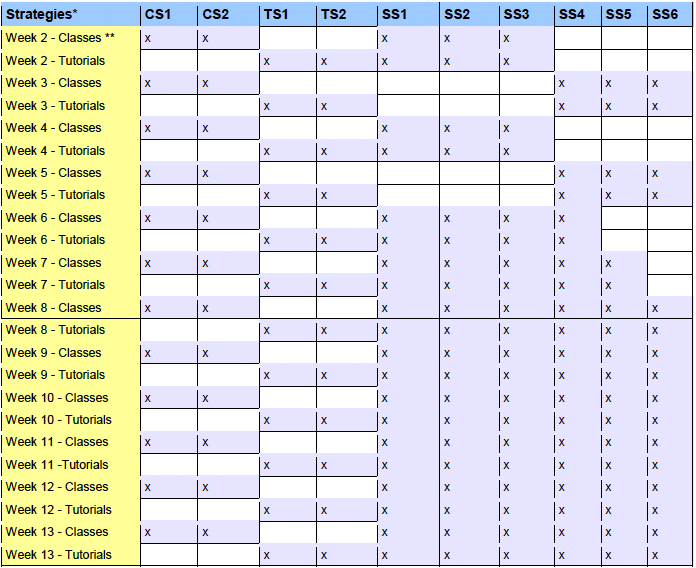
Since Katty was not the researcher's student, close coordination with her teacher became necessary, by providing suggestions to his class planning and evaluation. He had already been her instructor in a previous course, so he knew her strengths and weaknesses and also had a clear idea of what strategies and activities could be more effective in class. In this sense, the researcher's direct intervention was minor inside the classroom during classtime although the strategies and activities were collaborative efforts with her teacher since the intervention plan intended to apply a selection of the strategies suggested in the literature review based on her teacher's and the researcher's suggestions. Some of these activities took place in the classroom (Classroom Strategies or CS, such as pairwork interaction, using simple sentences, sitting close to the teacher) and others outside (individual work during tutorials - Tutorial Strategies or TS). Others were implemented during class and tutorials (Shared Strategies or SS). As a matter of fact, tutorials were conducted by the researcher, so this provided direct interaction with Katty during the implementation stage of the intervention plan. For further information, see Chart 4.
These strategies were applied in a progressive way: during the first 4 weeks of class (weeks 2-5 in the course calendar) shared strategies were to be alternated, for a total of three shared strategies each week (plus two classroom strategies and two tutorial strategies in each corresponding session). However, starting on week 6, one shared strategy was to be added, reaching the total of six shared strategies on week 8 (just before Katty's partial exams), and thus throughout the rest of the course. See Table 1 for a complete breakdown.
4.2 Focus of the problem
Given the context of Katty and her special needs, the main goal of this intervention plan was helping Katty get a passing grade in her English course (7 out of 10), while focusing on working on three skills: grammar, vocabulary, and pronunciation. Thus, these research questions were formulated:
Which strategies suggested for collaborating with dyslexic students can be applied in the classroom to facilitate the introduction and use of target grammar, vocabulary, and pronunciation items?
Which strategies can be used in tutorials, to review and further practice grammar, vocabulary, and pronunciation?
Which strategies can be applied in both classes and tutorials, so Katty's learning of grammar, vocabulary, and pronunciation items becomes more successful and meaningful?
Will there be any affective benefits to be observed by the end of the course?
4.3 Objectives
As mentioned above, the main general objective was to help Katty perform successfully in her 14-week English course, with an emphasis on grammar, vocabulary, and pronunciation. Specific objectives were assisting her to understand new grammar structures through oral exercises in class, and using target structures in oral activities such as conversations in class, reviewing grammar structures, building vocabulary lists, and practicing phonemes such as /s/, /∫/, and /t∫/ during tutorials.
4.4 Strategies Selected
Out of the strategies suggested for working with dyslexia mentioned in the Literature Review, ten were selected. They were divided as follows, two strategies were chosen based on what the researcher and teacher considered practical to be implemented in the classroom (by the teacher), and two others in the tutorials (by the researcher). The intention was maintaining a communicative focus for grammar and vocabulary, and pronunciation to a lesser degree in class, while keeping an academic focus on grammar, vocabulary, and pronunciation during tutorials. However, since in many instances these approaches might overlap, six extra strategies were selected that could be applied across both classes and tutorials.
Thus, the following strategies were considered for implementation and were divided into strategies to be used in the classroom (CS), in the tutorial (TS), or "shared strategies", that is for both the classes and tutorials (SS):

4.5. Data collection
The implementation plan included three main qualitative instruments for data collection.
This allowed triangulation of data, and different perspectives: personal (Katty's), family's (her mother in particular), the teacher's, and the researcher's. The instruments used were two indepth interviews to both Katty and her mother each; an interview and survey to her teacher, an observation diary to be filled after classes and tutorials by the researcher, and artifacts such as Katty's written exams and oral exam forms. As stated, the focus of these instruments was qualitative with the exception of assessment activities, where scores were used as a reference to evaluate Katty's progress and mastering of target curricular items. Data was collected during 12 out of the 14 weeks of the course.
5. Analysis of Results
In spite of the joint efforts for the objectives and activities, the individual nature of this paper required the researcher to establish his own analysis of results to be reported (although some aspects were discussed informally with her teacher after each class.) The conclusions and recommendations for the action plan are thus the researcher's own, in the light of what was learnt in this course and during the actual implementation of the intervention plan itself.
In Table 1, the weekly and progressive implementation of classroom strategies (CS), tutorial strategies (TS), and shared strategies (SS) can be seen in detail according to each calendar week. (A complete list of strategies can be found in Chart 4).
5.1 Accommodations and Modifications
At all times, Katty's teacher and the researcher (acting as an observer during class time) tried to involve her naturally with her classmates, dedicating more time and effort to her, but not allowing her to feel privileged or "special." Therefore, the main goal was to make her feel included, fostering a "neutral" environment in the classroom that allowed learning and peer interaction as naturally and spontaneously as possible (see Arnáiz, 2009, p. 58).
The main modifications applied were lower demands on her performance on new grammar structures (both written and oral), as well as on new vocabulary. Specifically, two out of every three grammar structures were assessed. Besides, written exams had to be shorter and the questions simplified and Katty had a longer time to finish them. For example, if other students were asked to answer 10 grammar questions (completion exercises), Katty was only expected to answer 6. In addition, if other students had an hour to answer a written exam, Katty was given 80 to 90 minutes instead. Finally, instructions were also explained orally for written tests twice, and confirmation questions like "Do you understand?" "What do you have to do here?" were used as well to make sure the task was clear to Katty (Bailey, 2015; IDA, 2002).
5.2 Classroom Activities
As indicated, classes had a communicative emphasis so tasks were designed to be dynamic with plenty of peer interaction such as information gap activities, using pictures for spotting differences, cloze model dialogue exercises, role-plays where target grammar or vocabulary were necessary, and board games (IDA, 2002; Rondot-Hay, 2006; Smith, 2012). Assessment activities included dialogues or role-plays where students had to put target contents into practice as peer interaction with grammar, vocabulary, and pronunciation (IDA, 2002), and written quizzes that included short answer and production items for grammar structures and vocabulary with enough time for completing the task was allotted (IDA, 2002; Junta de Andalucía, 2010).
During class time, Katty would sit close to the teacher (first row), in a well-illuminated spot as suggested by Rondot-Hay (2006), Junta de Andalucía (2010), and Baile (2015). This enhanced both Katty's and the teacher's attention towards each other and allowed the teacher to have a clearer notion of her progress during the lesson. The teacher also monitored Katty's task performance and comprehension problems constantly (Junta de Andalucía, 2010). At the end of the class, a brief summary of the topics and activities done was implemented to help Katty remember what she had practiced that day. This was reviewed at the beginning of the following class or tutorial (IDA, 2002). Finally, the teacher would talk to her individually and assign her review exercises to do as homework for extra practice (IDA, 2002). At this point, once the class was over, the researcher also addressed Katty and announced to her orally the topics and activities to be reviewed and further drilled during her tutorials with the researcher himself (IDA, 2002; Junta de Andalucía, 2010).
Regarding grammar structures, new items were taught basically using oral instruction and explicit explanations in Spanish, which in many cases was used as well when introducing new vocabulary (Rondot-Hay, 2006). For pronunciation (phonetics), most of the exercises and conversations were carried out in pairs or in trios in the classroom, following the strategy of peer-mediated learning (IDA, 2002). In order to limit the number of new items taught in one class (Smith, 2012), to present a manageable amount of work at a time (IDA, 2002), and to reduce distractions (Wearden, 2013), board use was reduced to a minimum due to Katty's difficulties to copy down from it, and large-font handouts were issued frequently with highlighted examples of target grammar structures (IDA, 2002) and vocabulary lists (again, six out of every ten new items, as suggested by Junta de Andalucía, 2010).
5.3 Tutorial Activities
Tutorials as suggested by Fidalgo (2012), were conducted by the researcher and held twice a week, alternating with class days. These were intended basically as a re-inforcement activity to foster her comprehension of target topics and offer extra practice (IDA, 2002; Rondot-Hay, 2006; Smith, 2012). In this sense, academic and explicit teaching of grammar and vocabulary was used, in combination with her native tongue (Rondot-Hay, 2006). Typical activities were vocabulary reviews with printed word lists and their translation into Spanish using different colors and large font types, so meaning was checked and pronunciation was practiced as well using highlighting of essential information (IDA, 2002). In addition, as suggested by IDA (2002); Rondot-Hay (2006); and Smith (2012), plenty of repetitions and practice, short handouts (one page, half a page, or slips) (see IDA, 2002) with completion exercises (short answers or production) were given to her in order to monitor progress and to rehearse for written quizzes and the final written exam for her course.
In addition, repetition drills for target vocabulary and isolated phonetic exercises took place every other tutorial. Due to Katty's frustration (Junta de Andalucía, 2010, p. 34) tutorials, although initially had been planned for two hours, eventually got reduced to 90, and then 60 minutes. Here, plenty of emotional support in the form of praise was implemented (Cox, 2012; Wearden, 2013; Díaz-Ducca, 2014). Some pronunciation tasks were centered on phonemes such as /s/, /∫/, and /t∫/ because these were the most problematic both for Katty to grasp when spoken, and also for her to produce (Rondot-Hay, 2006, p. 2). See Chart 2 for further details.
5.4 Successful strategies
In general terms, the intervention plan was successful because Katty finally passed her last basic English course on to the advanced levels, obtaining scores between 60 and 80 (minimum passing grade was 70) in oral tests (where grammar, vocabulary and pronunciation were assessed.) In short, she evidenced an acceptable use of 70% of target vocabulary during oral activities (for her accommodated standards), insufficient scores in use of grammar (60-65%) during oral production in oral quizzes (conversations in pairs), but also an observable self-reliance and a relaxed attitude in the classroom.

Regarding written exams, her grades ranged between 60-78%, with higher scores for vocabulary completion exercises, and lower scores for grammar production items.

As a plus, both linguistically and socially she showed increased competence in terms of interaction and extroversion at the end of the course in comparison to what was recorded in the researcher's diary at the beginning. In fact, she eventually evidenced a self-confident attitude even during oral assessed activities. This may have been the product of both the use of Spanish when explaining grammar and vocabulary to her, along with frequent praise by her teacher during classes, and the researcher during tutorials. As observed, using simple sentences and repeating instructions (IDA, 2002; Bailey, 2015) was very effective since tasks were clear to her and in most classes she asked for clarification only once or twice during classes or tutorial sessions.
At class, pair work turned out to be an excellent resource to compensate for the relatively large size of her group (15 students). According to her teacher, having Katty sit
"pretty close at all times", allowed him to constantly monitor her comprehension, performance, and problems (confusion or frustration). She also seemed relaxed and willing to ask questions to him whenever necessary. Furthermore, working with her in one-to-one tutorials had more stimulating results for Katty in terms of a sense of progress and accomplishment. She actually referred to tutorials as "coaching for quizzes." Thus, tutorials turned out to be effective academic support for Katty for comprehension, drilling, and answering her questions. Tutorials also allowed for increased oral encouragement and motivation, as suggested by Cox (2012), Wearden (2013), and Díaz-Ducca (2014). In addition, these tutorial sessions also gave the chance of building rapport as suggested by Williams and Andrade (2008) and in this way, it was possible to encourage and motivate the student (especially as preparation exercises for coming exams).
5.5 Failed strategies
In spite of the strategies applied (using native language to teach grammar explicitly, and frequent repetitions and practice in class and tutorials), developing an acceptable use of written grammar had poor results. Actually, the highest score achieved in grammar exercises in written tests was 60%. This occurred, as indicated, in spite of her modifications regarding the percentage of target structures to be assessed (66% of course contents) and the extra time alloted for solving exams.
One-page or half-page handouts were practical and easy to understand for Katty, nevertheless, textbooks were not very useful in the classroom since -as pointed out earlier-, she found them "too confusing" and "too boring" in her own words. As a result, written exercises were a drilling activity that helped Katty understand some structures and increase her observable self-confidence during written tests, but that didn't guarantee the results expected (passing grades in grammar items). This appears to be a direct consequence of her difficulty to process written information, as indicated by Nijakowska et al. (2013), for students with her condition.
Spelling was poor and presented frequent omissions, incomplete words, and mixed-up letters (s instead of c; v instead of b) (see IDA, 2002; Rondot-Hay, 2006; Smith, 2012). Once again, repetition, omission, and lack of coherence were very frequent in production exercises with target grammar. Plenty of repetition and drilling (IDA, 2002; Rondot-Hay, 2006; Smith, 2012), allowing extra time for tasks (IDA, 2002), and tutorials as extra practice (Fidalgo, 2012) did not seem to positively influence her problems with spelling of key vocabulary, although they were effective so she was able to pronounce new lexis achieving passing grades in most cases. Finally, vocabulary lists had to be shortened because her working memory would not process enough words to master the concepts in each unit.
In addition, drilling and repetition exercises in phonetics for target phonemes (/s/, /∫/, and /t∫/) were only useful as artificial or academic tasks during tutorials: Katty would pronounce words to a fair degree (70% of success) very slowly or sound by sound. However, when using the word in a conversation at her normal speed of delivery, she would commit the same errors detected (unclear pronunciation, confusion of sounds, omission of phonemes.) These phonetic activities became eventually boring to her and needed to be shortened and even skipped in some individual sessions in order to decrease frustration, anxiety, and brief periods of negative mood and attitude.
6. Conclusions
Based on the teacher's and researcher's diaries, the following are considered the strategies that yielded the best results for Katty's learning (Chart 5):

For the researcher, the experience of working with Katty and collaborating with her professor during this action research project was enriching as a teacher and human being. The challenges of teaching a student with dyslexia or any learning condition who also had a speech problem required getting familiar with her learning problems, empathy, patience, perseverance, adaptation of some materials, and "preparing for the unexpected" with an open mind and tolerant attitude at all times (see Junta de Andalucía, 2010, p. 34). For example, it was easy for Katty to become obsessed with trying to master the new grammar structures and vocabulary in a very short span. Thus, it was necessary to "slow her down" a bit and break down each exercise into smaller tasks by "dosing contents", as suggested by IDA, (2002), and Junta de Andalucía (2010). As a result, some activities were adapted or reprogrammed for future tutorial formats. Furthermore, IDA (2002) indicates that "students vary in their ability to process information presented in visual or auditory formats" (p. 11). This meant that it was necessary to face the fact that not all tasks and objectives planned for each tutorial were achievable or realistic in that moment.
Furthermore, class and test preparation for a student with dyslexia prescribe a lot more of time and organization than standard classes. The high demands these students develop during class time, summaries at the end of each lesson, and the extra material represent a heavier work load for teachers. In regards to this, having collaborated not only with another teacher but with an experienced teacher in particular was very illuminating to better grasp the real dimension of the challenge of educating students with special needs.
Besides, sensitization is a must: if empathy, trust and mutual respect do not develop between student and teacher, the process of meaningful learning might become frustrating for the student. Establishing rapport, as suggested by Williams and Andrade (2008), plays a key role in the classroom. Tapping on her working memory, for example, and reinforcing neural connections became constant endeavours as suggested by recent studies such as Boets et al. (2013) where brain imaging detected no significant difference between "underlying speech patterns", which researchers interpreted then as "faulty neural connections" in students with dyslexia (p. 1253). For Katty, as established during her interviews, rapport with her professor is a previous condition to any learning experience (see Williams and Andrade, 2008). This bond, obviously, should be strengthened throughout the course itself. As a matter of fact, this is a daily chore. Learning and caring are parallel continua: one without the other is out of the question because rapport and emotional comfort are as important as pedagogic strategies and curricular accommodations (Junta de Andalucía, 2010). Moreover, based on Katty's background, rapport has proven in her learning to be a decisive element for success along with accommodations.
Finally, classmates', school faculty, family, and community support are also very relevant elements that deepen and facilitate the teaching and learning processes. Therefore, the teacher will not feel "left alone" with his duties and will have the student's home and community environment in his favor (Arnáiz, 2009). The results of this are reflected in Katty's higher motivation, more enjoyable learning, and her general well-being (feelings of accomplishment and success). In her mother's words, Katty has become a better person since she studies English at Fundatec: she has grown up intellectually, socially, and emotionally. She has developed not only her linguistic but also her social and emotional intelligences. She has a stronger sense of responsibility and achievement. Using these compensatory skills to her advantage, she is now a happier and a more mature human being.
7. Intervention plan for future courses
Action research contemplates the cycle of applying what was learned in order to further feed the teaching-learning process. As a result, an Action Plan, which could be considered to a certain degree as a series of recommendations for future classes, is included here.
As Hasbún (1991) indicates, in addition to strategies, learners should "complement their [study] work with activities that are not only authentic and functional, but also with a more analytical focus on the language" (p. 8). In the case of Katty, this can be translated into homework and practice for communicating and engaging in conversation with English speakers; in these activities, she can also be exposed to authentic materials such as movies or music, whereas the analytical focus can take the form of weekly tutorials. Visual aids such as picture cards or even taking concrete objects and realia (objects from real life) to the classroom to illustrate new vocabulary might also be helpful in due to Katty's visual abilities (as evidenced in her recent interest in photography).
On the contrary, standard textbooks proved to be uninteresting and demotivating. In this sense, technological media could also be a very useful resource to introduce or review grammar and vocabulary (Quesada, 2005; Cox, 2012). Music, due to Katty's love for it, if used correctly could enrich the learning experience as a multisensory method (Fidalgo, 2012; Smith, 2012). Although it transcends the scope of this study, further action research with songs or "melodic" memory games could be tried as a means to increase her assimilation of new vocabulary and to create new associations with previous language (as suggested by Piaget's Constructivism).
One dimension not explored on this paper is multimedia technology, which could yield quite interesting results for of younger generations of students with dyslexia. Thus, the use of Computer-Assisted Language Learning (CALL) may have applications for working with EFL students with special needs. According to Berge (quoted in Quesada, 2005), with the use of CALL learners find new roles and possibilities: "a change from students acting as passive receptacles to students who are constructing their own knowledge... a shifting role towards autonomous, independent, self-motivated managers of their time" (Quesada, 2005, p. 8).
Another important factor to be pondered is the group size: a smaller group (ten students or less) could have better results in terms of the amount of attention dedicated to Katty, considering that she demands double explanations and extra support. As indicated, constant peer interaction also caused her to feel at ease in the classroom. This supportive and inclusive environment as defined by Arnáiz (2009) might be reinforced having fewer students, so classes become more "intimate", which could in turn enhance motivation, error correction effectiveness, positive feedback, exchange of ideas, and addressing her questions in class (IDA, 2002; Williams and Andrade, 2008; Cox, 2012; Wearden, 2013; Díaz-Ducca, 2014). Furthermore, outside the classroom, group study with friends (as she says she is used to doing with her cousins) has become an important support activity for consolidating knowledge just acquired (by coping with her short-span memory) and so keeping up with the learning rhythm of the rest of the students.
To conclude, the best way to close this article is by quoting Katty herself (the full transcript of this interview can be found as Appendix A at the end of this report):
Q: What would you advise people who experience learning problems? If they really like something, [they should] keep working and not lose the opportunity [to study.] It is truly worth it. It is very good for oneself [...] People help you a lot. If you don't understanding something, they help you out
References
Arnáiz, Pilar. (2009). Atención a la Diversidad: Programación Curricular. San José, C.R: Editorial Universidad Estatal a Distancia.
Bailey, Eileen. (2015). Creating a Dyslexia-Friendly Classroom. Retrieved from http://specialed.about.com/od/managementstrategies/a/dyslexic-friendly-classroom.htm
Baumel, Jan. (2003). Dyslexia-An Overview. Retrieved from https://dinagd.wordpress.com/dyslexia-information/dyslexia/
Boets, Bart; Op de Beeck, Hans; Vandermosten, Maaike; Scott, Sphie K.; Gillebert , Céline; Mantini, Dante; Bulthé, Jessica; Sunaert, Stefan; Wouters, Jan and Ghesquière, Pol. (2013). Intact But Less Accessible Phonetic Representations in Adults with Dyslexia. Science342(6163) 1251-1254. Retrieved from: http://www.sciencemag.org/content/342/6163/1251
Bradford, John. (2003). What Causes Dyslexia? Retrieved from http://www.thomastallisschool.com/uploads/2/2/8/7/2287089/handout__causes_of_dyslexia.doc
Cook, Vivian. (1996). Second Language Learning and Language Teaching. New York, USA: Routledge.
Cox, Janelle. (2012) Teaching Students With Dyslexia: A Guide For Educators. Retrieved from http://www.brighthubeducation.com/special-ed-learning-disorders/126674-guideto-teaching-students-with-dyslexia/?cid=parsely_rec
Díaz-Ducca, Jenaro. (2012). Effects of Affective Variables on L2 Fossilization in Adults: A Critical Literature Review. Revista Innovaciones Educativas, 14(19), 65-74.
Díaz-Ducca, Jenaro. (2014). Positive Oral Encouragement in the EFL Classroom, A Case Study through Action Research. Revista de Lenguas Modernas, 21(1), 325-346.
Dornyei, Zoltan. (1996). Moving Language Learning Motivation to a Larger Platform for Theory and Practice. In Rebecca L. Oxford (Ed.) Learning Motivation: Pathways to the New Century (pp. 71-80). Honolulu: University of Hawaii.
Fidalgo, Jennifer. (2012) Teacher Strategies for Students with Dyslexia. Retrieved from http://www.brighthubeducation.com/special-ed-learning-disorders/64540-teachingstrategies-and-techniques-for-students-with-dyslexia/
Hasbún, Leyla. (1991). Uso de Diferentes Estrategias de Aprendizaje por Parte de Buenos y Malos Estudiantes de Español como Lengua Extranjera. Revista Educación15(2), 81-90. Retrieved from http://revistas.ucr.ac.cr/index.php/educacion/article/viewFile/15526/14889
Hudson, Roxanne F.; High, Leslie & Al Otaiba, Stephanie. (2007). Dyslexia and the Brain: What Does Current Research Tell Us? The Reading Teacher60(6), 506-515. Retrieved from http://www.readingrockets.org/article/dyslexia-and-brain-what-doescurrent-research-tell-us
International Dyslexia Association. (IDA). (2002). Teacher Strategies for Dyslexics. Retrieved from https://www.google.com/url?sa=t&rct=j&q=&esrc=s&source=web&cd=3&cad=rja&uact= 8&ved=0ahUKEwiE7cGe4LvMAhVCFR4KHbbJCvIQFggtMAI&url=http%3A%2F%2Fww w.pbida.org%2Fassets%2FIDA-Handbook%2FDyslexiaInTheClassroom.pdf&usg=AFQjCNF25nMWxw340ejWjKPr6B_ mGG7iQA&sig2=pKjfkxy5oPEogehX0wsKPQ
Junta de Andalucía. (2010). Manual de Atención al Alumnado con Necesidades Específicas de Apoyo Educativo Derivadas de Dificultades Específicas de Aprendizaje: Dislexia. Retrieved from https://triniblog.files.wordpress.com/2012/02/11-dificultadesespecc3adficas-de-aprendizaje_-dislexia.pdf
Krzyzak, Ania. (2005). Dyslexia in the Foreign Language Classroom. Retrieved from http://www.tefl.net/esl-articles/dyslexia.htm
López-Escribano, Carmen. (2007). Contribuciones de la Neurociencia al Diagnóstico y Tratamiento Educativo de la Dislexia del Desarrollo. Revista Neurobiología (44), 173-180. Retrieved from http://www.neurologia.com/pdf/Web/4403/x030173.pdf
Miller, Stephanie & Bussman Gillis, Marjorie. (2003). Language Puzzle: Connecting the Study of Linguistics with a Multisensory Language Instructional Programme in Foreign Language Learning. In Peer, Lindsay and Reid, Gavin. (Ed.), Multilingualism, Literacy and Dyslexia: A Challenge for Educators. London: David Fulton Publishers (pp. 218-229). Retrieved from http://books.google.co.cr/books?id=aoABAAAQBAJ&pg=PA219&redir_esc=y#v=onepage&q&f=false
Mills, Geoffrey. (2003). Action Research: A Guide for the Teacher Researcher. New Jersey: MerrillPrentice Hall.
Nauert, Rick. (2012). New Insights Into the Neuroscience of Dyslexia. Retrieved from http://psychcentral.com/news/2012/08/08/new-insights-into-the-neuroscience-ofdyslexia/42844.html
Nijakowska, Joanna; Kormos, Judit; Hanusova, Svetlana; Jaroszewicz, Barbara; Kálmos, Borbála; Imrene, Sarkadi Agnes; Smith, Anne Margaret; Szymańska-Czaplak, Elzbieta and Vojtkova, Nadezda. (2013). DysTEFL - Dyslexia for Teachers of English as a Foreign Language. Self-study Course. Retrieved from: http://course.dystefl.eu
Quesada, Allen. (2005). Web Based Learning (WBL): A Challenge for Foreign Language Teachers. Actualidades Investigativas en Educación5(2). Retrieved from http://revista.inie.ucr.ac.cr./index.php/aie/article/view/76
Reigel, David. (2005). Positive Loops in Second Language Learning. Portland State University. Retrieved from http://www.labschool.pdx.edu/research/current/Reigel%20Thesis.pdf
Riasati, Mohammad Javad. (2011). Language learning anxiety from EFL learners' perspective. Middle-East J. Scientific Res7(6), 907-914.
Rondot-Hay, Marion. (2006). Teaching English to the Dyslexic Student. New Standpoints, The Modern Language Journal28(3), 2-4. Retrieved from https://www.academia.edu/2948750/Teaching_English_to_the_Dyslexic_Student
Shaywitz, Sally; Shaywitz, Bennet. (2001). The Neurobiology of Reading and Dyslexia. Focus on Basics connecting Research and Practice5(A). Retrieved from http://www.ncsall.net/index.html@id=278.html
Shekhy, Reihane; Shakouri, Nima. (2015). Adrenalin and Second Language Acquisition: Why Anxiety? Journal of Education Research and Behavioral Sciences4(3), 089-092. Retrieved from http://apexjournal.org/jerbs/archive/2015/Mar/fulltext/Sheikhy%20and%20Shakouri.pdf
Smith, Anne Margaret. (2012). DysTEFL Power-point Presentation, Unit 7, Task 2: Teaching Vocabulary and Grammar. Retrieved from https://www.youtube.com/watch?v=5gfVTCkcQeA
Stevens, Angie (2010). What Causes Dyslexia? An Overview of 5 Theories. Retrieved from http://www.readinghorizons.com/blog/post/2010/10/04/What-Causes-Dyslexia-AnOverview-of-5-Theories.aspx
Stringer, Ernie. (2004). Action Research in Education. Upper Saddle River, N.J: Pearson Merrill Prentice Hall.
Wearden, Zachary. (2013). Teaching English to Students with Learning Difficulties (LDs) Retrieved from http://www.usingenglish.com/articles/teaching-english-to-students-withlearning-difficulties-lds.html
Williams, Kenneth E y Andrade, Melvin R. (2008). Foreign Language Learning Anxiety in Japanese EFL University Classes: Causes, Coping, and Locus of Control. Electronic Journal of Foreign Language Teaching5(2), 181-191. Retrieved from http://eflt.nus.edu.sg/v5n22008/williams.pdf