Investigaciones
Public policies, poverty and illiteracy in young and adults in Haiti. Challenges and perspectives
Políticas públicas, pobreza y analfabetismo de personas jóvenes y adultas en Haití. Retos y perspectivas
Public policies, poverty and illiteracy in young and adults in Haiti. Challenges and perspectives
Revista Interamericana de Educación de Adultos, vol. 41, no. 1, pp. 7-33, 2019
Centro de Cooperación Regional para la Educación de Adultos en América Latina y el Caribe

This work is licensed under Creative Commons Attribution-NonCommercial-ShareAlike 4.0 International.
Received: 13 March 2018
Accepted: 30 September 2018
Abstract: One of the difficulties faced by vulnerable groups is access to education. Thus, illiteracy is studied as a consequence of inequality of opportunity and extreme poverty in Haiti. This article aims to describe and analyze the current socio-economic and educational conditions, as well as to objectively criticize public policies that have been implemented to improve the educational system and counteract the multidimensional poverty that affects the quality of life and the school performance of children and adults, due to their homes socioeconomic shortcomings. Research undertaken is qualitative, using random sampling and participant observation. The results confirm there is, indeed, a lack of education and extreme poverty in the two localities studied. Some suggestions are therefore put forth to face educational challenges through consistent public policies.
Keywords: educational policies, functional illiteracy, multidimensional poverty, inequalities, human rights.
Resumen: Una de las dificultades que enfrentan los grupos vulnerables es el acceso a la educación. Por lo que el analfabetismo se estudia como consecuencia de la desigualdad de oportunidades y la pobreza extrema en Haití. El objetivo del artículo es describir y analizar las condiciones socioeconómicas y educativas actuales, así como criticar las políticas públicas implementadas para mejorar el sistema educativo y la pobreza multidimensional que afecta la calidad de vida y el desempeño escolar de los niños y adultos debido a las carencias socioeconómicas del hogar. La investigación es cualitativa, se utiliza la observación participante y los resultados muestran la carencia educativa y la pobreza extrema en las dos localidades. Se proponen sugerencias para afrontar los retos educativos mediante políticas públicas congruentes.
Palabras clave: políticas de educación, analfabetismo funcional, pobreza multidimensional, desigualdades, derechos humanos.
Introduction
Education is an indispensable element for the development of the human being throughout the world. In the same way, literacy allows young people and adults to achieve certain educational accomplishments in their respective communities. International institutions such as UNESCO (2017: 1) have thus decreed a global campaign to applaud the progress of literacy since 1946, with the aim of promoting literacy for all, which is part of human rights. Ever since, literacy has become a tool to empower people, to help them integrate and participate in community activities, as well as to improve their socioeconomic conditions since, in theory, the more a person is prepared, the greater the possibilities s(he) would have to participate in the labor market and escape from multidimensional poverty. However, reality is different for certain qualified and educated people in poor countries, who pray to all saints for decent jobs, where employment is a luxury. Vulnerable groups in these countries do not benefit from the same educational opportunities, technological innovation and recent information, which depend on a set of reading, writing and calculation skills, as a means of identification, understanding, interpretation, creation and communication that allows them to update and connect better with the world. As a result, the poor are in a vicious circle due to lack of education, to unemployment, poorly paid labor and socioeconomic inequalities, which are elements that hinder sustainable development.
Literacy is defined as the ability to read, write and understand a simple and short text related to everyday life (UNESCO, 2007: 235). In this sense, educational methods do not take into account the effective skills of students in continuing education, who have the basic knowledge, necessary to learn the texts related to their daily life. For this reason, many countries show a growing interest in the literacy assessment of their population. According to Robinson-Pant (2000), quoted in UNESCO (2016: 13), while the global adult literacy rate is 85 percent, the global youth literacy rate increased to 91 percent in 2015. However, poor rural women are among the most likely to be illiterate. Illiteracy is thus gendered and spatialized. The factors of race, class and ethnicity intersect, which means illiteracy is centered in the most vulnerable groups and nations. It has been seen as both the symptom, and to some extent the cause, of educational, gendered and other forms of global inequality among groups and nations. Around the world, at least 750 million young people and adults still cannot read or write, therefore, 250 million children cannot acquire the basic skills of reading and writing. This leads to the exclusion of young people and low-skilled adults who do not fully integrate into their communities and social environments. It is acknowledged that young people and illiterate adults are easy victims of certain malicious people, who often use them for criminal purposes in many vulnerable areas, they are also the main victims of social injustice, labor exploitation and political chicanery due to their precarious conditions and lack of instruction.
Literature review
According to ECLAC (2002: 17), the well-being of the population – and that of older adults in particular – depends to a large extent on their level of education, because it has a close relationship with the activity they develop, as well as with the attitudes and values acquired through it. In the region, a large proportion of older adults are illiterate (between 18% and 52%). The female population is at an educational disadvantage compared to the male population; and the young population, regardless of sex, is more literate than older adults. Illiteracy affects around 38 million people -9% of the population aged 15 and over- in Latin America and the Caribbean. To make matters worse, widespread and almost institutionalized corruption tends to weaken the effectiveness and efficiency of national resources allocated to literacy programs; social conflicts and inequality hinder economic, political and educational advances in the region.
Similarly, Caruso et al., (2008) quoted by López-Velarde (2014: 703), referring to adult education in Latin America and the Caribbean, identify the specificity of each young people and adult education. While social exclusion and poverty is the identity category of adults, it is not enough to encompass all the subjects that are part of it, nor the population in educational backwardness. The latter may include young people expelled from the school system for whom some policies are established, population excluded and/or discriminated against for various reasons for whom social policies are assigned, and individuals who are not in any of these situations but get assistance through the right to demand continuous learning through programs of lifelong learning. There are also young people in secondary and intermediate level education where impoverished conditions in rural and urban areas prevail.
For ECLAC (2009: 8-44) "Education begins with birth and continues throughout life. Therefore, the social effects of illiteracy will accompany subjects throughout the life cycle. In the first years of life, the first effects are observed in the family nucleus and in the primary socialization of the children... In the adult, illiteracy increases the present and future socioeconomic vulnerability of people and is an important reproductive agent of this condition through their children."
Therefore, social effects often influence the illiteracy of individuals, and children of illiterate parents are likely to have educational experiences restricted by their socioeconomic conditions and the basic skills to read and to write. This considerably affects social incorporation, considering the difficulties it carries to participate in the labor market in gainful conditions; it provokes recurring health problems due to nutritional deficiencies and poor hygiene, and it also hinders the schooling of children. In light of these effects, all adults and young people have the right to demand —from authorities— social and economic inclusion as well as access to continuous quality learning as part of their human rights.
According to UNESCO (2015: 23), despite the heterogeneous situation present in the countries of the region, it can be seen that access to higher education has grown during the last decade at a comparatively high rate of 2,230 students per 100,000 inhabitants in 2000 and 3,428 in 2013, on average. Likewise, it has been established that several countries begin to use other strategies and technological advances that contribute in the fight against illiteracy in adults. Thus, these countries are fulfilling their commitment to promote the goal set in the framework of Dakar, to reduce illiteracy among adults. The region shows a comparatively positive situation, taking into account the backwardness of the other developing regions. In 2000, it was stated that Latin America and the Caribbean already had comparatively high levels of adult literacy, with an average proportion of 88.9% educated adults.
These percentages were slowly increased to reach 93.3% in 2012. However, statistical data show that many inhabitants of developing countries still cannot read or write. A factor that explains this situation is that these individuals must work constantly to support their home and, as they do not get good jobs, sometimes they fall into the trap of labor exploitation. In this sense, poverty is one of the indicators that cause illiteracy in the Least Developed Countries (LDCs), except for Cuba that reached the global objectives of Education for All in the period 2000-2015.
In 2000, ECLAC registered more than 880 million illiterate adults in the world. However, two thirds were women. This figure clearly shows that women continue to be the main victims of inequalities and educational backwardness. Of the more than 110 million children who are deprived of basic education, two thirds are girls.1 Often, these girls become teenage mothers or single mothers due to their situation of socio-economic vulnerability and lack of education. For these reasons, the world authorities should seriously study and analyze the strategies public policies follow, in order to counteract the educational disadvantage of women and girls, because we are convinced that families and communities would have greater and better social, educational and labor opportunities, if women had the same educational prospects as men. Education for all is a good strategy for democratic consolidation, respect for human rights, good governance and gender equality in the world.
Similarly, ECLAC (2012) pointed out that literacy and education are the foundations upon which all our efforts to create a better world must be based. Literacy provides tools for men and women to better understand the world and shape it in order to achieve their aspirations. Therefore, a literate world is a more peaceful, harmonious and healthy world. People who know how to read and write are empowered to make better decisions and lead a fuller life. They are more productive workers than illiterate persons. There is no doubt that literacy and schooling are factors that strongly affect the amount of individual income (Riveros, 2005). In Latin America there is a high correlation between income level and schooling. Young people who do not complete primary education are less likely to have access to quality jobs that allow them to avoid poverty (Goicovic, 2002).
Economic development, social progress and human freedom depend on the establishment of a basic level of literacy in all countries. In this sense, literacy campaigns should be important for everyone, because the results and the multiple advantages offered tend to benefit a specific society. As Villatoro points out (2007), achieving universal completion of primary school would not only represent a significant advance in fulfilling the right to education, but it would also report benefits for the decrease of extreme poverty, the promotion of equity, social inclusion and respect for citizens' rights.
However, education by itself does not guarantee the proper functioning of a society, let alone a better world. This could be achieved when we human beings would always understand that we are all part of this planet with which we must concern ourselves and care for, as well as love our fellow-persons cultivating altruism, peace, solidarity and mutual respect. Let's learn to put ourselves in the place of others to empathize with them. These aims have not been fulfilled, therefore, there are millions of chronic poor in the world and, because of this, the Millennium Development Goals (MDGs) cannot be attained.
Relationship among illiteracy, poverty and human rights
In contrast, illiteracy and extreme poverty go hand in hand to divert the process of development and growth in any society. The poorest countries have the highest illiteracy rates. Definitely, illiteracy and extreme poverty are linked and, at the same time, they are related to other factors that impede individual and collective growth, such as unemployment, low self-esteem, juvenile delinquency, national productivity, among others, that constitute the causes and effects of multidimensional poverty in Haiti. Most illiterate people are women and the elderly (both sexes) that are generally found in rural areas. Regarding unemployment, we can see that the level of education is not always a determining factor to achieve the goals of getting a good job when corruption, discrimination, sexism, racism or other problems related to equality of opportunity between women and men, ethnicity and socioeconomic inequalities are evident. Nevertheless, age, sex, place of residence and origin are good indicators to measure illiteracy in a specific society.
We agree with Hicks (1979), quoted in ECLAC (2009: 42), that the literacy rate is an important variable to explain the growth of countries. In addition, Barro (1991) emphasized the positive effect of the literacy rate as well as of the initial coverage rate in primary and secondary education on per capita income growth. On the other hand, Hanushek and Wobmann (2007) point out that the quality of education has a stronger effect on economic growth than only looking at the years of schooling. Moreover, they point out that achieving a certain level of basic skills, a certain threshold of basic literacy on the international scale, would be decisive in influencing the growth of developing countries. In this way, we can explore basic education of Haitian youth and adults in order to understand its relationship with the poverty gap. We must recognize the difficult task that the authorities of several countries carry out with the intention of eliminating the problem of discrimination, racism and sexism within State institutions, as well as the eradication of illiteracy in their respective communities.
Current situation of the education of young people and adults in Haiti
In Haiti, education is a right established by the Constitution of 1987. The following articles compel the State to create opportunities for all citizens to have access to basic education: “Article 32: The State guarantees the right to education. It ensures the physical, intellectual, moral, professional, social and civic training of the population. Article 32.1: Education is the responsibility of State and local authorities. They must make schooling available to all, free of charge, and ensure that public and private sector teachers are properly trained. Article 32.2: The first responsibility of the State is education of the masses; the only way the country can develop. The State encourages and facilitates private initiative in this area. Article 32.3: Primary education is mandatory under penalties that will be determined by law. Supplies and teaching materials shall be available free of charge, provided by the State, for primary school students. Article 32.4: Agricultural, vocational, cooperative and technical education is a primary responsibility of the State and municipalities. Article 32.5: Pre-school education, kindergarten and non-formal education are encouraged. Article 32.6: Access to higher education is open to all, only by merit. Article 32.7: The State must ensure that each local authority, communal section, commune, department, is endowed with essential educational establishments, adapted to the needs of its development, without prejudice to the priority of agricultural and professional, cooperative and technical education, which must be widely offered. Article 32.8: The State guarantees disabled and gifted persons the means to assure their autonomy, education and independence. Article 32.9: It is the duty of the State and the local authorities to take all necessary measures to intensify the mass literacy campaign. They encourage all private initiatives to this end. Article 32.10: Education is entitled to a fair basic salary.”2
Therefore, not to comply with the right to free education for all is inexcusable. The fact that education be free is a key aspect of its being accessible and materializes the extent to which the right to education goes beyond a formal right to become concrete, a “real” right, which includes both, the exemption from a tuition fee, and other expenses that affect access to school of populations living in poverty (UN, 2004). For Caruso and Ruiz (2008) the effective no cost of education implies the accompaniment of other social programs including school supplies, transportation, breakfast, and health care, among others. Similarly, the State has an obligation to facilitate access to education for all. According to the UN (idem), the notion of obligatory is constructed from the role and obligation of the State and its laws to guarantee not only access to school, but the implementation of diverse educational proposals and the regulation of relevant programs and educational modalities, in addition to teacher training.
Likewise, Caruso and Ruiz (2008) declare that enforceability is the other side of obligation and its consecration as a right at a constitutional level; it implies the ability to demand that the right be complied with and not remain at the level of constitutional enunciation.
Definitely, structural problems and extreme poverty prevent millions of young people and adults from meeting their basic needs and mainly accessing basic education. It appears that the implemented public policies fail to solve this problem. As if this were not enough, many young qualified Haitians leave the country, looking for a better life. It should be mentioned that adults and young people in rural areas are more prone to illiteracy; these areas should be the main beneficiaries of primary and secondary learning and education programs to combat inequality of opportunities and extreme poverty. Barlett (2008: 6-7) noted that alternating rural secondary education is a good option to respond to the challenges posed and to maximize the benefits of education in rural areas... Alternating rural secondary education is a good option, since capacity development is the result of the interaction between the home and the community. Like mentioned before, the situation in Haiti deserves particular attention in basic education and combating poverty as most citizens (young and adult) in rural areas did not even finish primary school, while others never attended it.
According to UNESCO (2014: 40), the right to education aims to develop skills, knowledge, values and attitudes that allow all people to flourish and live in a dignified way, to make informed decisions to improve their quality of life and that of society, in order to participate in collective decisions. During the school-years, the capacity of socialization with different people is established, and identity and self-esteem take shape. However, in Haiti, the adult literacy rate reached only 48.69% of the total population aged 15 years and above. The same figure for women is 44.6%, while it is 53.36% for men. The rate for young people is 72.35%, and 70.48% for young women in 2006. These data show the upsetting statistics on illiteracy in Haitian society while, at the same time, they constitute a flagrant violation of the human rights of Haitians. This is why the UN expert talking about the situation of human rights in Haiti, came to the conclusion that, at the pace of the current Government's literacy campaign, it would take about 20 years to remedy the situation of 3.5 million illiterate individuals in Haiti. He noted that "without illiteracy, we would be in a better position to ensure the right to education, which would allow to advance accessing other social rights, whose realization is still very precarious due to the acute social inequality in the country."3
More than ever, a good government is required to be concerned with the comprehensive well-being of the population, considering respect for social and economic rights, including education for all. For many decades, a considerable number of qualified graduates in poverty and unemployment have observed that, where corruption, discrimination, injustice and marginalization are evident, extreme poverty is inevitable. According to data from a national forum on literacy and adult education, organized at the initiative of the Ministry of Education, National Education and Vocational Training (MENFP) and the State Secretariat for Literacy (SEA), three out of every 10 Haitians were illiterate in 2016.4 Therefore, it is evident that illiteracy is one of the real obstacles to the economic and social development of a country. Poor areas pay the direct or indirect consequences of illiteracy through poor productivity and the lack of use of advances in technology and information. It should be noted that, in 2015, the poorest Haitian geographic departments were: Northeast (393.967 inhabitants) and Northwest (728.807 inhabitants) (see Figure 1), but it can be said that illiteracy and poverty have become a national problem affecting both urban and rural areas alike. It should be mentioned that the Haitian population reached 10,911,819 inhabitants in 2015.
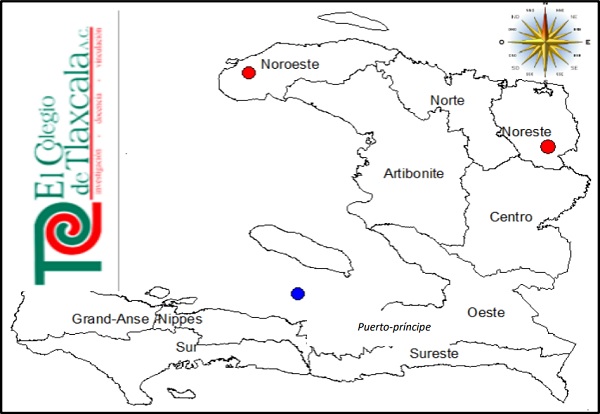
Graph 1
Map of the Republic of Haiti
Source: Author’s own elaboration, 2018.
According to UNICEF (2012), the total literacy rate for adults during the 2008-2012 period was 48.7%. The rate of literacy among young men (15-24 years) reached 74.4%, while young women had a ratio of 70.5%. With regards to attendance to primary school, net attendance for men was of 76.7% over the same period. In contrast, the percentage of girls attending school was 77.7%. Participation in secondary education, on the other hand, was of 21.6% for male enrolment, and of 29.1% for women’s. These figures justify the assumption that Haitian men have greater educational opportunities than women; a situation that should be reversed immediately by the authorities.
There is no doubt that human rights and fundamental freedoms, supporting equal opportunities, democracy, and social rights of the inhabitants, mainly of access to education, are currently neglected, which clearly explains the chronic multidimensional poverty and illiteracy in Haitian society. It is well known that education is crucial for the sustainable development of a nation, which often calls for public policies for progress and exploitation of opportunities for growth in vulnerable communities. As pointed out by Bidart Campos (1989) cited in Horbath and Gracia (2015: 176), the benefits of education produce participatory societies, widen the bases of collective representations and helps eliminate marginalization. For this reason, chronic illiteracy experienced by Haitians, worries and predicts the living conditions and the level of education of future generations, if the situation is not remedied. Also, public policies and social and educational programs should not exclude continuing adult education, since education must be accessible throughout the life cycle, and has a unique impact on the adult population. Despite educational advances for adults in some developing countries, the individual and collective aspirations of the adult population can be left unsatisfied. We agree with Capdevila and Guzman Puya:
Currently, adult education struggles to get rid of the burden posed by the previous conceptions. In developing countries, basic education for people outside of school age is considered an important component when it comes to empowering citizens, so they should have access to continuous learning. Over the years, adult education has sought to respond to the demands, needs and interests of different contexts and, especially, to open new possibilities for those learnings not acquired in the school stage. Despite progress made, in many countries this educational endeavor is still not payed enough attention to... Adult education is called to play an integrative role within the framework of lifelong learning, since the human being is in a continuous process of education and training that extends throughout life. (2005: 41-45).
Universality promotes the right to lifelong learning for everyone and combats discrimination and social inequality, which facilitates equality of opportunity for all individuals including adult education. According to Capdevila and Guzman Puya (2005: 44), adult education is understood as an all-around training activity which tends to provide after-school age people with knowledge and skills, as well as promoting valuable attitudes and behaviors. These, in turn, may foster personal and professional training, and social participation. Therefore, chronic illiteracy is an obstacle that predicts the poor living conditions and insufficient level of education of future generations, if the situation is not remedied.
UNICEF (2013) pointed out the greatest difficulties regarding the expectation that authorities improve the Haitian educational system. It pointed out that access to education is still limited, therefore, the biggest challenge is to have a good government that prioritizes the quality of education free of charge for all, since there are more private than public schools in Haiti.
Budget constraints as a result of insufficient public investment in the sector are among the factors that led to this situation of precariousness (around 10% of the budget on average, in addition, the poverty of more than 70% of the population) together with corruption, inadequate legislation, social norms and unfavorable practices, recurrent natural disaster crises, (in particular, the earthquake of January 12, 2010), armed conflicts that prevent national and international investments, as well as the problems of organization and management capacity of the Ministry of Public Education.
We can see that the Haitian educational system still faces enormous challenges, despite the significant leap in the level of school attendance (82.7% in 2012, compared to 50% in 2005). It is clear that the national education system is not working properly, and that the education of the adult population is neglected by the State. The rights of these individuals are violated because literacy is a long and complex sociocultural process that involves the development of various skills to identify, interpret, understand, create and communicate verbally or in writing; it is indispensable for the exercise of citizenship, which is why it constitutes a vital right. Other authors consider literacy as a process that is changing throughout life, it is historical and dynamic (Hernández, 2017: 63). It implies a long and complex sociocultural process that involves the development of diverse skills to identify, interpret, understand, create and communicate texts with different purposes in various media (Braslasvky, 2003 and Ferreiro, 2008).
According to the last school census of the Ministry of National Education and Vocational Training (MENFP) cited by UNICEF (2013), only 20% of the educational offer comes from the public sector, the rest is under the control of the non-public sector. Most of the time, it manages schools without regulation and operates below the minimum quality standards. Despite its proven importance, access to activities targeting young children (0-5 years) remains very limited (67% of the gross enrolment rate in preschool -3-5 years-). According to UNICEF (2013), this adds to the weakness of the quality of education, which is reflected in particular in the average failing rates of 15% and dropout rates at around 13%. This is combined with late entrance, a factor that increases the proportion of older children in primary school (65%). It is observed that the rate of survival in fifth grade elementary is low (25%). Generally, this group of uneducated girls and boys are victims of child labor, employment exploitation, criminal and manipulative acts, as well as sexual and physical abuses occurring in the streets. We can see the large proportion of abandoned girls and boys in different tourist sites and public spaces in the country, particularly around the largest park in the capital "Champs-de-Mars".
In addition, this worrisome situation of educational quality is largely due to the high proportion of unskilled teachers (more than 65%), unfavorable learning conditions and the failure to apply standards to ensure quality education. UNICEF said (2013), "among the children most affected by limited access to quality education are those living in rural areas, poor families who are located in the slums of major urban centers, children separated from their families (residential centers, children in domestic service, street children), children with disabilities and displaced children." As can be noted, there is a close relationship between family situation, educational discrimination and extreme poverty in Haiti.
Let us remember that these individuals constitute the most vulnerable groups vis-à-vis the violation of the right to inclusive education and a dignified life. Therefore, "the right to education goes beyond the exclusive access to schooling; it includes the right to a quality education for all, that should promote the maximum development and learning for each person, and the right to educate themselves in the schools of the community on equal terms. Inclusive education is a component of the right to education" (Marchesi, Blanco, & Hernández, 2014: 12).
UNICEF (2013) points out the main challenges for quality education and the reduction of the illiteracy rate in Haiti because 12% of the population of children between 6 and 12 years old (approximately 200,000 children out of 1.7 million) do not attend school mainly due to cost. It should be borne in mind that Haiti has the lowest GDP per capita in the region, that is US $830 in 2015, and more than 76% of its population lives in extreme poverty.
Similarly, the dropout rate reached 12% during the first six years of primary education, and rose to 26% by the sixth year. Therefore, educational quality is very low. With all these in mind, UNICEF (2013) envisages at least 5 challenges: (A) Ensuring equitable access to quality education for the most vulnerable children. (B) Improving the quality of educational services. (C) Promoting equal opportunities for girls and boys. (D) Strengthening the early childhood educational sector. (E) Strengthening the governance and regulation structures of the educational system.
The latter constitutes the greatest challenge to counteract the educational problem but also to combat multidimensional poverty in Haiti. The need for good governance is urgent to solve structural problems, provide services and establish social justice. As UN (2008: 13) says: States have a responsibility to provide a set of services to their population, including education, health and social protection services. The provision of such services is indispensable for the protection of human rights such as the right to housing, health, education and food. Human rights principles dictate that public services should be available and accessible and culturally acceptable in order to guarantee the rights of the poorest and most marginalized. Good governance contributes to all of this by approaching people as agents of economic and social development, and not merely as beneficiaries of it.
In this way, the democratic government complies with the services that are part of the fundamental rights, vital for the consolidation of democracy and the satisfaction of the needs of all inhabitants. As pointed out by Ruiz (1995), quoted by Lozano (S/F: 617), "Without doubt, public service is born of the human need, not of any need, but of the common unsatisfied want that one and many people have, which does not mean that they constitute all the necessities of a society, but indeed so many of them, that they turn into a general need whose satisfaction is part and parcel of the purpose of the State, which has the ethical duty to comply. The fulfillment of these needs is achieved precisely through the development of the technical activity involved in the provision of public service." To better understand the need to solve the socioeconomic predicament of the inhabitants of rural areas, particularly the elderly, the State must implement social and educational programs for the benefit of all.
It should be mentioned that UNESCO/EDFOA (2008, pp. 3-4) states that 72% of older people living in rural areas represent 7.4% of the total population. The proportion of older women is higher than that of men (53.3% versus 46.7%). Almost 80% of the elderly, mostly women, do not know how to read or write and only 13.5% of them have reached the primary level of education. Of the total population of older people, 61.8% are heads of households. These represent 21.3% of the total number of heads of households in the country. Among these heads of households (elders), there are 235,130 employed workers, almost all (92.6%) of whom work on their own account.
The figures above show that often older people do not study because they must meet the multiple daily obligations of their respective homes. While young people fail to attend school because of the lack of opportunities, the elder must work to contribute to family expenses. On the other hand, the girls get married very young to reduce the expenses of their parents, but also planned weddings make it easier to keep the parents unemployed in urban and rural areas. Similarly, the literacy level of the population ten years and above is 61.0% nationwide. It is higher in males than in females: 63.8% versus 58.3%. In addition, the level of literacy is higher in urban areas than in rural ones (80.5% compared to 47.1%).
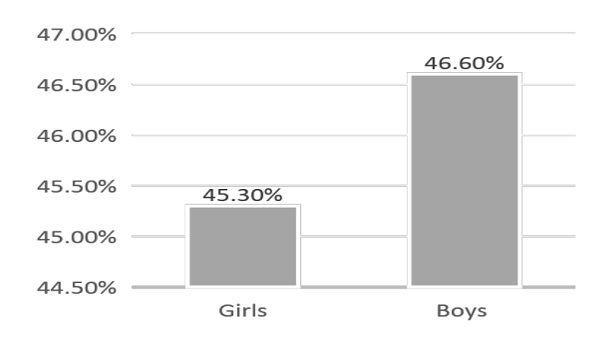
Of the total population five years and above, 37.4% have never gone to school, 35.2% have reached the primary level, 21.5% the secondary level, and the proportion of people with university level is only 1.1% (1.4%, men; 0.7%, women). During the 2001-2002 academic year, 45.9% of the population aged 6 to 24 had attended school or university. On the other hand, very little difference is recorded between children (46.6% for boys, and girls, 45.3%). In any case, the proportion of girls who do not attend school is lower than that of children at national and international levels. We agree with Fernandez et al., (2005) that, regarding the number of children who do not attend school, the situation was very precarious, since more than 100 million children were not in school, of which approximately 70% were girls, indicating the existence of inequality of opportunities between the sexes.
Non-governmental organizations (NGOs) and illiteracy in Haiti
These figures clearly reveal the danger a lack of educational quality and of equal opportunities represents in Haiti. The literacy rate is an indicator for measuring the level of human development in society, and it also serves to understand why Haiti remains one of the most backward countries in the world. Obviously, we do not expect sustainable development without solving the problem of basic education for all, food insecurity and multidimensional poverty. It is assumed that international organizations and civil society should help fragile States to meet certain social needs, mainly the education of the adult population and young people, especially in rural areas.
Thomas Poirier (2011), emphasizing the importance of primary schooling in poor countries and the role of non-governmental organizations (NGOs), states: "Nearly one-third of the world's non-schooled children live in countries whose governments do not have the capabilities or the will to commit to anti-poverty policies. In these fragile States, the goal of universal primary schooling remains random. In the face of the inability of public authorities, the international community relies on civil society organizations to provide an education whose global public good status can lead to renewed modalities of international aid. On the other hand, FAO (2004) highlighted "Illiteracy, which is increasing in the developing world, also translates into the inability of more and more farmers to read the instructions of a fertilizer bag or pesticide container warnings. Without basic education, the rural population cannot increase their productivity, adopt better technologies or improve their livelihoods”. Also, "Basic education is a fundamental human right and essential condition for meeting the Millennium Development Goals, specifically the first two objectives, on the eradication of extreme poverty, hunger and the realization of universal primary education. Similarly, the difference between urban and rural illiteracy is growing and, in many countries, rural illiteracy is two or three times greater than in urban areas, noting that around the world, the vast majority of the 2,800 million people who subsist with less than $2 a day, live in rural areas."
It should be kept in mind that rural people (young and adult peasants and farmers) remain the most marginalized and discriminated group because of their relatively low socio-economic and educational conditions. On the other hand, discriminatory thinking considers educational investment in adults an expensive burden, as they are older individuals who are seen as soon to die. Would they explain the negligence of governments to promote quality basic education for the rural population? There exists a need to promote the right to education of young people and adults, to build a more just and equitable Haitian society. The field of adult and youth education is very important for growth, and the Human Development Index (HDI), the State and the many non-governmental organizations should unquestionably prioritize continuous learning and free education for vulnerable groups. In this sense, education should be understood as a social right and a privilege, not a luxury or a business of some sector or organization.
It is worth mentioning that the Republic of Haiti became one of the countries with the largest number of NGOs around the world, especially after the earthquake of January 12, 2010. "There were 1000 NGOs at the time of the earthquake. In particular, we have excluded from this selection the agencies of the UN and the Federation of the Red Cross, main actors of the aid in Haiti. After interviewing several humanitarian actors and specialists, we selected Doctors without Borders (Médecins sans Frontiéres), World Vision, Oxfam, Care, and Save the Children. These NGOs are mostly Anglo-Saxon, and were mainly present in Haiti long before the earthquake.” So we ask ourselves, what are so many non- governmental organizations (NGOs) doing in Haiti? While the Haitian population has been in a situation of extreme multidimensional poverty for several decades, it is a fact that NGOs tend to replace a weak and incompetent State day after day. Definitely, the path to sustainable development and education for all throughout the life cycle is complex and uncertain because of the ineffective results of NGOs and repeated governance problems.
The decision of 2017 of the Ministry of Planning and External Cooperation (MPCE), rejecting 257 NGOs in Haiti for not responding to the real needs of the people is justified by the previous comment. The Government States that only 370 NGOs comply with the operating requirements established by the Haitian State. We should applaud the government's decision to regularize the performance of non-governmental organizations (NGOs) on Haitian territory. But, we ask ourselves, what are the specific strategies and objectives promoted by the State to improve the quality of life of the population through its own resources, also to promote national sovereignty, food security, education, literacy, among others?
From a reflective - critical perspective, it is inexplicable that structural problems and young and adult illiteracy persist in Haitian society while NGOs grow each year. The true face of poverty and poor conditions of life of the population are reflected after natural disasters. The same happens when we look at the high rate of illiteracy in young people and adults. Civil society and the government must work together to promote and respect the rights and fundamental freedoms, mainly the right to education throughout the life cycle.
Methodology
This is a qualitative study. Research was conducted in the two most impoverished departments of Haiti, Northeast and Northwest, to investigate the current socio- economic situation and its impact on the educational level of parents and their children. Field work was developed during the period August-October 2015. A focus group methodology was used to gather information, points of view, perceptions, and see the everyday life of the respondents.
On average, during one hour sessions, data was gathered from volunteers through semi-structured interviews and semi-open and closed questions via the application of questionnaires consisting of 55 items, translated into the Haitian native language (Creole). The group was considered a random representative sample of 100 participants, i.e. 50 participants by Department. Work was limited to two localities in situations of poverty within those departments: Maribaroux (Northeast, with 393,967 inhabitants) and Saint Louis du Nord (Northwest, which has 728,807 inhabitants). Participation of respondents was voluntary and all had similar characteristics. It is important to note that the two constraints identified in this research are: the lack of data by Department, and the number of participants within the population who were removed due to sociopolitical and financial issues, since we had to pay to the 10 local leaders who aided us in filling out questionnaires because the participants were illiterate (see the photographs). There was also a celebration with respondents and leaders after the meeting. Taking into account the formula: where, the population size N: 1.122.774 inhabitants, Z: value obtained by using trust levels = 1.96, E: acceptable limit of sampling error (an error of 5% is considered), P = 50% (. 5), Q = 50% (. 5), D= .5 we obtain a sample size of 195 respondents for both departments. There was also participant observation. As Stated by Bracamonte (2015): "participant observation plays a significant role, because through this procedure we can verify and respond questions concerning research, as a particular way in the process of study." Therefore, it is an act in which the subject who observes undertakes to perceive, comprehensively, the reality in the context in which the facts develop, in which the senses are used and cultural categories internalized, that sort out and give orientation to what is perceived" (p.135). This method allowed us to study the relationship between multidimensional poverty and the level of education as well as to understand the everyday life of the participants in the two regions and exhibit their social deprivation.
Results
The data show very little difference between boys (46.6%) and girls (45.3%) in Haiti (see Figure 2), however we will present the results of the investigation later. According to UNDP (2016), the proportion of adult literacy reached 60.7% in Haiti, while the adult population (over 25 years) with a degree for secondary school is 32.0%. Unfortunately, the subsequent censuses did not show data by sex to detect the exact number of children who attended school.
Graph 2
Population aged 6 to 24 who have attended a school or university.
Source: author’s elaboration based on UNESCO/EDFOA, 2006.
Considering the poverty line of the World Bank, that characterizes that a person lives in conditions of poverty when their daily income (or expenditure) is less than a US dollar, and moderate poverty, those with incomes of less than $2 a day, the research results presented in Figure 3 show the average income per capita to measure the number of households that are in situations of extreme and moderate poverty in the departments of Northeast and Northwest. There was also a figure of 81% extremely poor persons and 97% moderately poor in both departments.
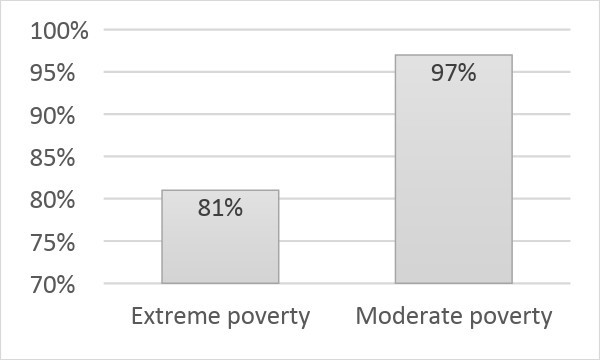
Figure 3
Percentage of households in situations of extreme and moderate poverty in Northwest and Northeast
Source: author’s elaboration with data obtained in field work, 2015.
In addition, the maximum degree of study of the head of the family was considered in the two departments. The results shown in Figure 4 show that 3% have a preschool level, 35% a primary school one, and 23% a secondary school level, 1% have Bachelor's degree and a ratio of 38% have no studies. The results show a high percentage of illiteracy in both departments. Let us remember that the adult population has a greater share of illiteracy than the youth.
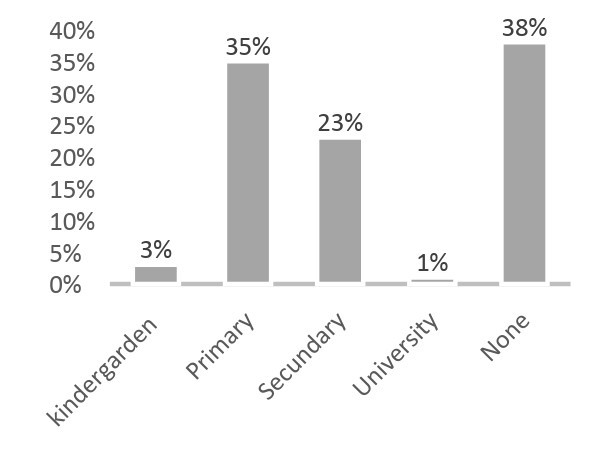
Figure 4
Maximum degree of studies of the head of household
Source: Author’s elaboration with data obtained in field work, 2015.
Figure 5 presents the data on the level of schooling of children in households. The results show that 7% of children in the home have preschool as the highest level of education, 8 percent reach the fundamental part of the first cycle, 16% the second cycle of fundamental school, 11% have the fundamental level third cycle, while 30 percent have a secondary level education, 3% does not respond, and 3% has a Bachelor’s degree as the highest level of education. On the other hand, 22% of children do not have any degree of studies in the two departments and 3% did not answer the question.
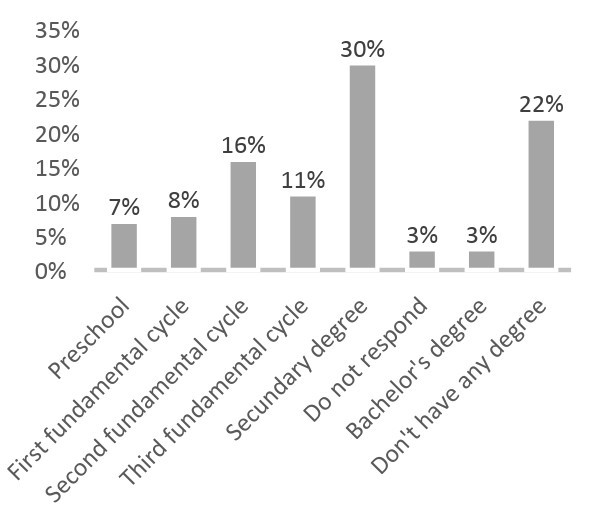
Figure 5
Maximum degree of studies of the children of the household
Source: Author’s elaboration with data obtained in field work, 2015.
Total deficiencies in the Northeast and Northwest departments and the measurement of multidimensional poverty in Haiti
The Mexican State Agency CONEVAL (2009), through its measurement methodology, presents the criteria to identify the population in multidimensional poverty. It indicates that a person is unable to exercise one or more rights when there is a lack of at least one of the six following indicators: educational backwardness, access to health services, access to social security, quality and living spaces, basic housing services and access to food. In addition, the presence of deficiencies associated with each of the spaces (economic well-being, social rights and the territorial context) imposes a number of specific constraints that undermine the freedom and dignity of the people.
According to CONEVAL (2009), a person is in multidimensional poverty when he or she is not guaranteed the exercise of at least one of their rights to social development, as well as if their income is insufficient to acquire the goods and services necessary to meet their real needs. The results of Figure 6 show a total of 4% of individuals with lack of access to health in every department. With regard to the lack of education, 17% was recorded for individuals in Northwest and 11% in Northeast. This means that there is educational backwardness in both departments. It is important to note that there is an educational gap if the child's school level is not in line with their age and thus a lack of access to education is measured without delay in these areas. With regard to lack of access to social security, 27% of individuals face this situation in the Northeast, while 31% do in the Northwest. Regarding the lack of access to food, the results show that in the Northeast 2% of people face it, and 6% of individuals encounter food insecurity in the Northwest Department. In the same way, we take into account the CONEVAL (2009) criteria for identifying the population in multidimensional poverty through the presence of one of the three spaces for deficiencies and the results show the existence of four deficiencies in the departments of the Northeast and Northwest.

Figure 6
Total social deprivation in the Northeast and Northwest departments, Haiti
Source: author’s elaboration with data obtained in field work, 2015.
Research results based on participant observation and interviews show that 81% of the participants are illiterate: 46% women and 21% men, part of the adult population. On the other hand, 14% of young people are in the same situation (9% of girls and 5% of boys), (see graph 7). The other participants knew how to read and write, so these respondents were able to fill out the questionnaires without difficulties; they were thus part of the group that collaborated with us.

Figure 7
Proportion of illiterate adults and young people in the two departments 2015
Source: author’s elaboration with data obtained in field work, 2015.
By introducing the socioeconomic deficiencies and their impact on the education of parents and children in both departments, the main objective of this article is reached.
Discussion
With regard to the maximum degree of studies in Haiti, it is very important to mention that the Haitian educational system is different from the Mexican one. The school cycles vary according to age; therefore, the cycles are as follows: daycare, from 0 to 3 years; preschool, from 3 years to 5 years, first fundamental cycle (1st, 2nd and 3rd year), 6 - 8 years; second fundamental cycle (4th, 5th, 6th year), 9-11 years; third fundamental cycle (7th, 8th, 9th), 12-14 years; secondary (3rd, 2nd, Rhéto, Philo),5 15-18 years. This classification facilitates the measurement of the average Haitian population with educational lag in rural areas through the relationship between their level of education and the age of each individual. Poverty, the cost of education and other structural factors are the problem that families and especially children must face every moment, so this socio-economic situation has serious effects on teaching and learning, which explains the educational delay and drop-out level in young people with low economic resources. In the same way, poor parents sacrifice themselves to keep and send their children to school by requesting loans with great interest rates, sometimes, but things do not always go well, as school attendance of these children is irregular. Hence, the need to apply constitutional laws and rights to access education in rigor, to promote free education for youth and adults. “Good education is often the only way to break the cycle of poverty for poor children. These children need an education that is based on a high level and high expectations for all. Children from poor families generally reach lower levels than middle and upper class children. The causes are numerous and are related to the social environment in which poor children live, and the education they receive at school. Factors such as the quality of student learning behaviors, family environment, past experiences with education, and teacher attitudes are among the many that influence student achievement.”6
Free education to counter illiteracy in Haiti.
We believe that educated youth are essential for the development of the Haitian nation. In the same way, we know that adults are considered cultural and social heritage. The education of both groups is indispensable for the progress of the whole society, to guarantee the transmission of values and principles in families as well. We find that insecurity and delinquency is in full swing in most of the country and, often, the young people who participate come from marginalized areas and those who have not had a good education. Therefore, free education is mandatory so that all children and adults can learn in peace, but also social empowerment as a result of social skills and emotional and cognitive self- regulation is necessary to channel young people from an early age. Definitely, extreme poverty prevents these people from completing their studies, preferring to go to work or dedicate themselves to small businesses in the streets to contribute to household expenses.
Another consequence of poverty and lack of education are early marriages, labor exploitation, domesticity and unwanted or premature pregnancies. The girls marry early to form their families, or get pregnant very early with the intention of reducing the obligations of their parents. These factors do not help at all, on the contrary, they contribute to the increase of misery in the Haitian families due to the limited economic resources available for heads of household and young parents to meet the needs of their families due to the lack of academic preparation.
As we saw in this article, multidimensional poverty, illiteracy and inequality of opportunities have a great influence on the integration of the labor system. If the opportunities to find work are minimal for qualified individuals, the main reason why they prefer to flee the country in search of a better life abroad, we can now imagine the few employment possibilities illiterate persons have to make an income.
"Free primary education is everyone's right and governments should not delegate this responsibility in favor of the private sector, education is not a privilege of the rich, but a right of all children. Providing free primary education is an obligation. The promotion of the privatization of education has several negative effects, and now more than ever, governments must design more concrete strategies and policies that can increase opportunities for marginalized groups, especially children from poor families." (UN, 2015).
In 2013, the government established a committee following an evaluation by a Cuban technical mission that identified weaknesses and gaps in the literacy program, including a lack of coordination of departmental offices empowered to facilitate Cuban assistance to members of Haitian technical structures, as well as a lack of statistics to establish a database with reliable information. This joint committee Haiti-Cuba had projected to alphabetize about 300,000 Haitians, by 2016, as part of this pilot campaign. One wonders if the NGOs were really committed to the fight against illiteracy, wouldn’t there be even better results.
Conclusions
In conclusion, any decrease in illiteracy rates and the improvement of basic education would allow young people and the adult population to enrich their skills and multiply their opportunities to have a decent life. It has already been argued that Free Education for All is a right that should not be violated just like other human rights and fundamental freedom. It was detected that the level of literacy of young people is lower than that of adults, however the brain drain due to the lack of opportunities, becomes a danger for the future and for sustainable development. Similarly, the education of children with illiterate parents is mortgaged while, at the same time, these are the groups most prone to labor exploitation, child labor, home life, juvenile delinquency, early marriages, premature and unwanted pregnancies, among others. It should be remembered that the level of poverty is higher, the percentage of literacy is lower, and the rural population deserves special attention when it comes to combating misery and illiteracy in Haiti. In addition, UNESCO (2006: 186) confirmed that "richer families are more literate than poor families, but the strength and degree of significance of this association varies, so urban dwellers are probably more literate than those who are poor in rural areas, but this factor has a lower impact. The fact that the individual has or has never been in school is the factor with the stronger influence, more influential and significant than literacy.
It cannot be ignored that illiteracy is a vector of poverty, misery, lack of development, lack of productivity, unemployment and insecurity that should be understood as cause and effect in underdeveloped countries such as Haiti. It is important to emphasize that a high literacy rate does not guarantee peace, justice, equality of opportunity and democracy in a given society, but a good education and the level of literacy influence the best decisions for the common good, to diminish both, structural problems and social deprivations. Then, the growth of the literacy rate and the implementation of public policies that reduce the social deprivation of the inhabitants of the Northeast and Northwest departments already presented in this work, should be the main priorities of the current government. Likewise, the active participation of civil society, the truthful involvement of Non-Governmental Organizations (NGOs) and faculties are recommended because when the literacy rate grows, we all win. But when illiteracy rates and poverty increase, the entire Haitian nation pays the consequences. It is time to work for the community, it is the moment of awareness and goodwill in favor of vulnerable and illiterate groups (youth, adults, girls and boys) in Haiti.
As we saw previously, research results based on participant observation and interviews show that 81% of the participants are illiterate: among adults, 46% of women and 21% of men; among young persons, 14% are illiterate, of them, 9% are girls, and 5%, boys. As a result, the authorities' specific intervention to reverse the socio-economic situation of the poor and to reduce the percentage of illiterates across the country, specifically in these two departments, is urgent. Good governance provides the basic and educational needs of all people. For this reason, specific and equitable public policies should be designed to counteract illiteracy through a national literacy campaign and the participation of young graduates in: pre-school education in the higher Normal School; human sciences, applied linguistics and modern letters, among other disciplines. Additional suggestions that could contribute to improve the problem of illiteracy and the quality of education in Haiti are proposed below.
-
- The educational inclusion of all the inhabitants is indispensable, since access to education is one of the fundamental rights that should not be denied.
- The promotion of standards and obligations to ensure the education of adults and young people should be a priority of the State from a constitutional perspective.
- To promote the importance of education in all sectors and ages. The State must integrate the elders and young people into every day and labor issues, so they are able to understand the need to include them for their full performance.
- To program and implement public and private university graduates’ social services in the areas most prone to illiteracy.
- Illiteracy is a consequence of inequality, poverty and lack of opportunity that persist in developing countries, where people cannot read or write because of the public, political and socio-economic disparities that do not respond to the real needs of vulnerable communities; such components progressively affect their personal and professional development. Therefore, it is urgent to strengthen State institutions responsible to carry out literacy programs and allocate financial resources for quality education for young people and adults. NGOs and other private organizations could get more involved since the actions and resources of the State are limited.
- In accordance with the Constitution of 1987, the State must prioritize free education for all citizens. Due to the current socio-economic situation, students (adults, children and young people) should benefit from community and school canteens with the purpose of reducing the rate of students who suffer from hunger daily. Access to education, access to food and the right to employment are rights which must be respected at all times.
Educational reform is certainly the pillar in the struggle for the eradication of illiteracy, the dropout phenomenon and the reduction of educational backwardness, as is the promotion of quality education that responds to the academic needs of every sector of society. The education of youth and adults will never be a bad investment, because instructed people contribute to the development and success of a society. Actions to reduce illiteracy must take into account the responsibility of the State and citizen participation, because this is team work for the common good.
However, public servants who are designing public policies and literacy programs must be transparent and committed to the elimination of this social phenomenon, traditional education, corruption and the mediocrity that tend to replace meritocracy, professionalization, justice and equality of opportunity in public administration. Finally, illiteracy is understood as one of the most serious situations of social exclusion which threatens the fundamental freedom and prosperity of the communities, it has its roots in economic backwardness and cultural transmission that prevails in rural regions. This is why poverty and illiteracy are closely linked in farming communities. Poverty and inequality are causes and consequences of illiteracy in Haiti.
References
Barlett, José (2008). Haciala satisfacción de los derechos de las y los adolescentes de las localidades rurales apartadas y dispersas: la alternancia. Available in: file:///C:/Users/Virtual/Downloads/IDIEBoletin1.pdf.
Barro, R. (1991). Economic Growth in a Cross Section of Countries”, The Quaterly Journal of Economics, 106 (2).
Bidart, Campos. (1989). Teoría General de los Derechos Humanos. México: Serie G: Estudios Doctrinales. Instituto de Investigaciones Jurídicas (UNAM).
Bracamonte, Rafael (2015). La observación participante como técnica de recolección de información de la investigación etnográfica. ARJÉ. Revistade Postgrado FaCE-UC. Vol. 9 N° 17. Julio-diciembre 2015/ pp.132-139. ISSN Versión electrónica 2443-4442, ISSN Versión impresa 1856-9153.
Braslasvky, B. (2003). ¿Qué se entiende por alfabetización? Lectura y vida. Revista Latinoamericana de Lectura 24 (2), 2-17.
Capdevila, S. Ma. Luisa y De Guzmán, P. Ma. Victoria (2005). Educación de personas adultas, situación actual y propuestas de futuro. Revista de Educación, núm. 336 (2005), pp. 41-57.
Caruso, Arlés y Ruiz Mercedes (2008). “La educación de personas jóvenes y adultas en América Latina y el Caribe en los comienzos del siglo XXI: estado de la situación y desafíos para la práctica”, en Situación presente de la educación de personas jóvenes y adultas en América Latina y el Caribe. Informe regional. México: CREFAL, pp. 19-107.
Caruso, Arlés, et al. (2008). Situación de la educación de personas jóvenes y adultas en América Latina y el Caribe: informe regional. México: CREFAL/CEAAL.
CONEVAL (2009). Methodology for the multidimensional measurement of poverty in Mexico. Available in http://www.inegi.org.mx/prod_serv/contenidos/espanol/bvinegi/productos/integracion/especiales/revista-inter/RevistaDigital2/Doctos/RDE_02_Art3.pdf.
ECLAC (2002). Older adults in Latin America and the Caribbean. Data and indicators. Available in https://www.cepal.org/celade/noticias/paginas/3/9353/boletin_envejecimiento.pdf
ECLAC (2009). Social and economic impact of illiteracy: model of analysis and pilot study. Available in: file:///C:/Users/HP%2014/Downloads/impacto_social_economico_analfabetismo.pdf.
ECLAC (2012). International Literacy Day. Available in: https://www.cepal.org/es/articulos/dia-internacional-de-la-alfabetizacion.
FAO (2004). Educaciónpara la población rural: las ONG en primera línea. Crece la distancia entre analfabetismo urbano y rural. Available in: http://www.fao.org/newsroom/es/news/2004/51557/index.html.
Fernández et al. (2005). Igualdad de oportunidades, ¿para quién? Hacia una educación no sexista. Available in: http://www.uco.es/~ed1alcaj/polieduca/dmpe/igualdad10.htm.
Ferreiro, E. (2008). Hechos de carácter general que tienen incidencia en las condiciones de enseñanza. Conferencia presentada en el programa de capacitación "Lectura y escritura en la alfabetización inicial", La Plata, Argentina. Vídeo recuperado el 3 de octubre de 2015 de: https://www.youtube.com/watch?v=zh6lVMB66SI&list=PLVpYk08XQAeRMCrgcvBuL3FK83SRbUou9&index=2
Goicovic, Donoso (2002). “Educación, deserción escolar e integración laboral juvenil”, Última década, CIDPA, Valparaíso, Chile.
Hanushek E. y L. Wobmann (2007). “The Role of Eduation Quality in Economic Growth”, Documento de Trabajo de Investigación de Políticas 4122, Banco Mundial, 2007. También publicado como: “Calidad de la Educación y crecimiento económico”. Documento Nº 39, PREAL, noviembre 2007.
Hernández, H.G.C. (2017). Alfabetización temprana. Primeros contactos con la cultura escrita. Revista Espacios Innovación más Desarrollo. Vol.VI, No. 13. Available in: http://www.espacioimasd.unach.mx/articulos/num13/pdf/alfabetizacion.pdf.
Hicks, N. (1979). “Growth vs. Casic Needs: Is there a trade off?,” World Development, vol.7.
Horbath, Amalia María y Gracia, E Jorge (2015). El derecho a la educación: un análisis a partir de la política educativa de las dos últimas décadas en México. Revista de relaciones internacionales, estrategia y seguridad. Vol 1. Bogotá, Columbia. (Consulted: June 20, 2018).
López Velarde, Calderón Jaime (2014). Investigation on Youth and Adult Education: the theses of a Latin American Contest. Available in: http://www.scielo.br/pdf/ep/v40n3/aop1449.pdf.
Lozano Rodriguez, Luis Gerardo (s/f). Democracia, servicio público y medios de comunicación. Available in: https://archivos.juridicas.unam.mx/www/bjv/libros/6/2544/27.pdf.
Marchesi, A.; Blanco, R. & Hernández, L. (2014). Avances y desafíos de la educación inclusiva en Iberoamérica. España: Organización de Estados Iberoamericanos para la Educación, la Ciencia y la Cultura (OIE).
Poirier, Thomas (2011). Las ONGs y la Educación. Available in: http://www.ciep.fr/es/revue-internationale-deducation-sevres/las-ong-y-educacion.
Riveros, H.V (2005). “Chile en la Tarea de Medir las Brechas de Desigualdad”, Seminario Internacional, Instituto Nacional de Estadísticas (INE), Santiago de Chile.
Robinson-Pant, A. 2000. Why Eat Green Cucumbers at the Time of Dying? Women’s Literacy and Development in Nepal. Hamburg, Germany, UNESCO.
Ruíz, Fernández Jorge (1995). Derecho administrativo (servicios públicos), México, Porrúa, p.135.
UNESCO (2006). The challenge of literacy, an inventory. Available in: http://www.unesco.org/education/GMR2006/full/chap7_fr.pdf.
UNESCO (2007). Monitoring Report on Education for All in the World. Available in: http://www.unesco.org/education/GMR/2007/es/cuadros_estadisticos/cuadros_estadisticos_complet.pdf.
UNESCO (2014). AméricaLatina y el Caribe. Revisión regional 2015 de la Educación para Todos. Available in: http://www.unesco.org/new/fileadmin/MULTIMEDIA/FIELD/Santiago/pdf/Informe-Regional-EFA2015.pdf.
UNESCO (2015). Latin America and the Caribbean. 2015 Regional Review of Education for All. Available in: http://unesdoc.unesco.org/images/0023/002327/232701s.pdf.
UNESCO (2016). Girls’ and women’s literacy with a lifelong learning perspective: issues, trends and implications for the Sustainable Development Goals. Available in: http://unesdoc.unesco.org/images/0024/002449/244959e.pdf.
UNESCO/EDFOA (2008). Recent trends and current situation of adult education and training (EDFOA). National Report of the Republic of Haiti. Available in: http://www.unesco.org/fileadmin/MULTIMEDIA/INSTITUTES/UIL/confintea/pdf/National_Reports/Latin%20America%20-%20Caribbean/Haiti.pdf.
UNICEF (2012). At a glance: Haiti. Available in: https://www.unicef.org/infobycountry/haiti_statistics.html.
UNICEF (2013). The challenges of the education in Haiti. Available in: https://www.unicef.org/haiti/french/education.html.
UNITED NATIONS (2004). Los derechos económicos, sociales y culturales: El Derecho a la Educación. Informe presentado por Katarina Tomasevski, Relatora Especial sobre el derecho a la educación. Available in: http://www.catedradh.unesco.unam.mx/RelatorDE/
UNITED NATIONS (2008). Prácticasde buen gobierno para la protección de los derechos humanos. Available in: https://www.ohchr.org/Documents/Publications/GoodGovernance_sp.pdf.
UNITED NATIONS (2015). Free primary education is the obligation of the States. Available in: http://www.un.org/spanish/News/story.asp?newsID=31646#.WmpohTejnIU.
UNDP (2016). Human Development Indicators. Available in: http://hdr.undp.org/en/countries/profiles/HTI.
Villatoro, S. Pablo (2007). Haciala ampliación del segundo objetivo del milenio. Una propuesta para América Latina y el Caribe. Serie Políticas Sociales N132, CEPAL, Santiago de Chile.
Notes